

If you’re living with rheumatoid arthritis (RA), you know how frustrating it can be to manage constant joint pain and inflammation. What if your everyday meals could actually help ease those symptoms?
The Mediterranean diet, known for its rich flavors and wholesome ingredients, might be just what your body needs. This diet is packed with anti-inflammatory foods like fresh fruits, vegetables, olive oil, and fish that can support your joints and overall health.
You’ll discover how embracing the Mediterranean diet could make a real difference in managing rheumatoid arthritis—and how simple changes in your plate can bring you closer to feeling better every day. Keep reading to learn what to eat, what to avoid, and tips to make this diet work for you.
Credit: www.mdpi.com
Mediterranean Diet Basics
The Mediterranean diet is a popular eating plan inspired by countries near the Mediterranean Sea. It focuses on fresh, natural foods that support overall health. This diet may help reduce symptoms of rheumatoid arthritis (RA) by lowering inflammation in the body.
Simple and balanced, the Mediterranean diet includes many plant-based foods, healthy fats, and lean proteins. Understanding its basics can help you make better food choices to support joint health and ease RA discomfort.
Key Components
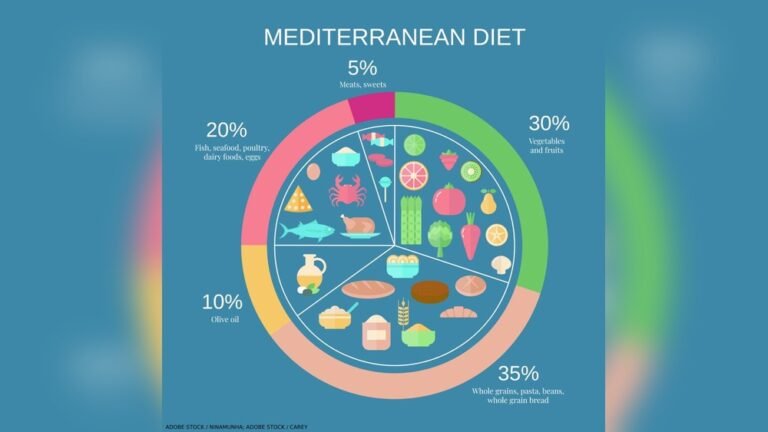
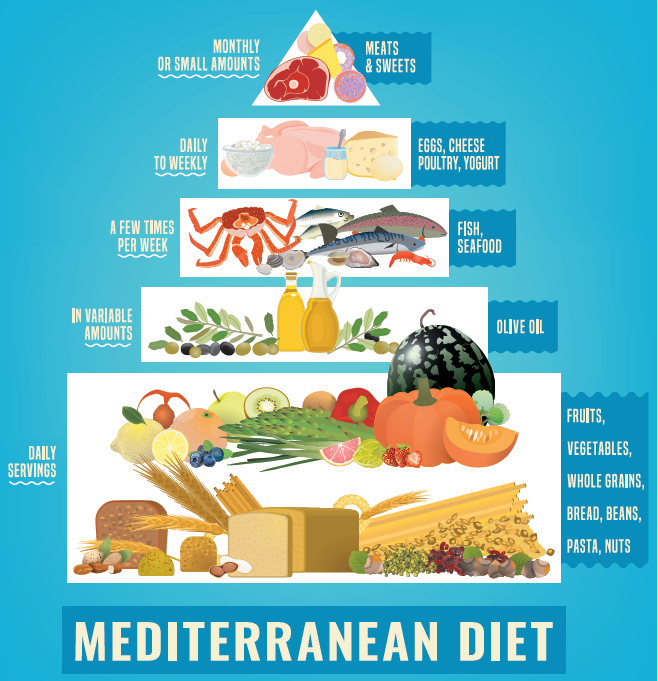
The diet emphasizes fruits, vegetables, whole grains, nuts, and seeds. Olive oil is the main source of fat, known for its heart benefits. Fish and poultry provide lean protein, while red meat is limited.
Herbs and spices like garlic, ginger, and turmeric add flavor and may reduce inflammation. Dairy products are eaten in moderation, mainly as cheese or yogurt. Meals focus on fresh, minimally processed ingredients.
Anti-inflammatory Properties
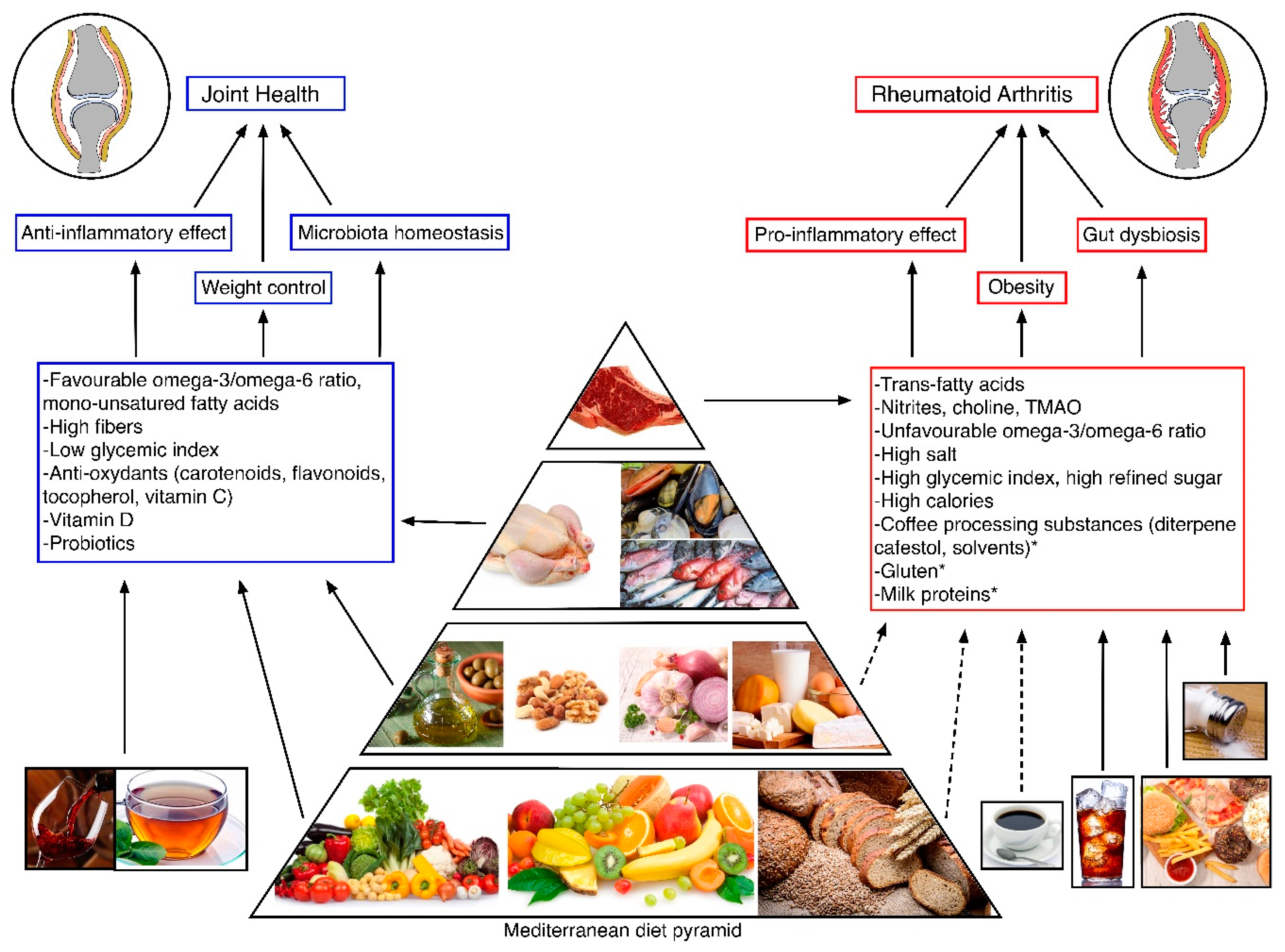
The Mediterranean diet is rich in antioxidants and healthy fats that fight inflammation. Olive oil contains compounds that reduce joint swelling and pain. Omega-3 fatty acids from fish help lower inflammatory markers in the blood.
Fruits and vegetables supply vitamins and polyphenols, which protect cells from damage. Whole grains and legumes offer fiber that supports gut health, linked to reduced inflammation. This diet’s natural, anti-inflammatory foods may ease RA symptoms and improve quality of life.
Rheumatoid Arthritis And Diet
Rheumatoid arthritis (RA) is a chronic disease that causes joint pain and swelling. Diet plays a key role in managing these symptoms. Choosing the right foods can help reduce inflammation and improve quality of life. Many studies highlight how diet affects RA and its progression.
The Mediterranean diet stands out as a beneficial choice for people with RA. It emphasizes whole, fresh foods rich in nutrients. This diet includes fruits, vegetables, whole grains, nuts, and healthy fats like olive oil. It avoids processed foods and unhealthy fats, which can worsen inflammation.
Inflammation And Food
Inflammation is a main problem in rheumatoid arthritis. Certain foods can increase inflammation, while others reduce it. Processed foods, red meat, and sugary snacks often raise inflammation levels. These foods may trigger flare-ups and worsen joint pain.
On the other hand, foods rich in antioxidants and healthy fats help fight inflammation. Fruits like berries and leafy greens contain antioxidants that protect the body. Olive oil, nuts, and fatty fish provide omega-3 fats, which reduce inflammatory markers.
Impact On Symptoms
Eating an anti-inflammatory diet can ease RA symptoms. Many patients report less joint pain and morning stiffness after changing their diet. Improved nutrition supports the immune system and lowers overall inflammation.
Maintaining a healthy weight also reduces pressure on joints. The Mediterranean diet helps with weight control due to its high fiber and nutrient content. Combining diet with exercise maximizes benefits for RA management.
Foods To Embrace
Choosing the right foods can ease rheumatoid arthritis symptoms. The Mediterranean diet offers many options that reduce inflammation and support joint health. Focus on nutrient-rich foods that nourish the body and fight pain. These foods provide antioxidants, vitamins, and healthy fats to help control arthritis flare-ups.
Fruits And Vegetables
Colorful fruits and vegetables are full of antioxidants and polyphenols. Berries, spinach, kale, and broccoli protect cells from damage. They lower inflammation and boost the immune system. Eating a variety every day gives your body the nutrients it needs.
Whole Grains And Legumes
Whole grains like brown rice, quinoa, and oats help stabilize blood sugar. They support gut health, which plays a role in inflammation control. Legumes such as lentils and chickpeas add fiber and plant protein. These foods promote steady energy and reduce arthritis symptoms.
Nuts, Seeds, And Healthy Fats
Walnuts, flaxseeds, and chia seeds provide omega-3 fatty acids and nutrients. These healthy fats reduce joint pain and stiffness. Extra virgin olive oil is another key fat. It contains anti-inflammatory compounds that improve heart and joint health.
Spices With Benefits
Spices like garlic, ginger, and turmeric have natural anti-inflammatory effects. They can help lessen joint swelling and pain. Adding these spices to meals enhances flavor and boosts arthritis relief. Use them regularly for best results.
Credit: www.arthritis.org
Foods To Limit Or Avoid
Choosing the right foods plays a big role in managing rheumatoid arthritis (RA). Some foods can increase inflammation and worsen symptoms. Knowing which foods to limit or avoid helps reduce flare-ups. The Mediterranean diet focuses on fresh, whole foods and limits harmful ingredients.
Processed And Fried Foods
Processed and fried foods often contain unhealthy fats and chemicals. These can increase inflammation in the body. Fried snacks, fast food, and packaged meals are examples to avoid. They can also raise weight, adding stress to joints.
Saturated And Trans Fats
Saturated fats come from animal products like butter and cheese. Trans fats hide in many baked goods and fried foods. Both types of fats can raise bad cholesterol and promote inflammation. Choosing healthy fats from olive oil and nuts is better for RA.
Excess Salt
Too much salt can raise blood pressure and harm overall health. High sodium levels may trigger inflammation and fluid retention. Processed foods and canned soups usually have high salt content. Opt for fresh foods and use herbs for flavor instead.
Red And Processed Meats
Red meats like beef and pork contain saturated fats that may increase inflammation. Processed meats such as sausages and deli meats have added preservatives and salt. Limiting these can help reduce RA symptoms. Lean proteins like fish and poultry are healthier choices.
Supplements And Hydration
Supplements and hydration play a key role in managing rheumatoid arthritis symptoms. They support the Mediterranean diet’s anti-inflammatory effects. Choosing the right supplements can reduce joint pain and stiffness. Staying hydrated helps keep joints lubricated and supports overall health.
Fish Oil And Vitamin D
Fish oil contains omega-3 fatty acids that reduce inflammation in joints. Regular intake may ease morning stiffness and joint swelling. Vitamin D supports bone health and immune function. Many people with rheumatoid arthritis have low vitamin D levels. Taking these supplements under a doctor’s guidance can improve symptoms.
Turmeric And Herbal Options
Turmeric contains curcumin, a natural compound with anti-inflammatory effects. It may help reduce joint pain and swelling. Herbal supplements like ginger and boswellia also show promise for easing arthritis symptoms. Always consult a healthcare provider before starting herbal supplements to avoid interactions with medications.
Importance Of Water
Water keeps joints hydrated and reduces stiffness. Drinking enough water flushes out toxins that may worsen inflammation. Aim to drink water throughout the day, not only when thirsty. Proper hydration supports digestion and nutrient absorption from the Mediterranean diet.
Lifestyle Factors
Lifestyle factors play a key role in managing rheumatoid arthritis alongside the Mediterranean diet. Simple changes in daily habits can reduce symptoms and improve quality of life. Focusing on exercise, weight management, quitting smoking, and reducing stress supports overall health and lowers inflammation. These efforts work well with a healthy diet to ease joint pain and stiffness.
Exercise And Weight Management
Regular exercise helps keep joints flexible and muscles strong. Low-impact activities like walking, swimming, and yoga are gentle and effective. Maintaining a healthy weight reduces pressure on joints and lowers inflammation. Even small weight loss improves mobility and decreases pain. Exercise also boosts mood and energy levels, aiding daily function.
Smoking Cessation
Smoking worsens rheumatoid arthritis symptoms and damages lung health. It increases inflammation and reduces the effectiveness of medications. Quitting smoking slows disease progression and improves treatment results. Support from healthcare providers and support groups can make quitting easier. Avoiding tobacco is one of the best steps to protect joint health.
Stress Reduction
Stress can trigger flare-ups and worsen rheumatoid arthritis symptoms. Managing stress helps control inflammation and supports the immune system. Techniques like deep breathing, meditation, and gentle exercise calm the body and mind. Prioritizing restful sleep and relaxation also reduces stress levels. A calm mind supports healing and better pain management.
Success Stories And Research
The Mediterranean diet has gained attention for its potential benefits in managing rheumatoid arthritis (RA). Many people and researchers have explored how this diet might reduce inflammation and improve joint health. Success stories and research provide valuable insights into its effectiveness. These stories and studies help understand the real impact of the Mediterranean diet on RA symptoms and overall quality of life.
Clinical Evidence
Studies show the Mediterranean diet may reduce inflammation in RA patients. Research published in medical journals reports lower joint pain and stiffness. Patients following this diet often have improved blood markers of inflammation. Clinical trials suggest the diet helps control RA symptoms alongside medical treatments. Doctors consider it a supportive approach to managing the disease naturally.
Patient Experiences
Many RA patients share positive experiences after adopting the Mediterranean diet. They report less joint swelling and more energy daily. Patients say eating more fruits, vegetables, and olive oil helped ease their pain. Some mention feeling better without increasing medication doses. These stories inspire others to try the diet for their own health benefits.
Credit: www.arthritis-advisor.com
Tips For Starting The Mediterranean Diet
Starting the Mediterranean diet for rheumatoid arthritis can feel simple and rewarding. This diet focuses on fresh, whole foods that may reduce inflammation and improve joint health. A few practical tips can help ease the transition and make healthy eating a daily habit.
Planning meals, knowing what to buy, and cooking smartly set the foundation for success. These steps keep your diet balanced and enjoyable. Below are key tips for starting your Mediterranean diet journey with confidence.
Meal Planning
Plan meals around vegetables, fruits, whole grains, and lean proteins. Include fish like salmon or sardines two to three times a week. Use olive oil as your main fat source. Add beans, nuts, and seeds for fiber and healthy fats. Keep portions moderate to avoid overeating. Prepare meals ahead to save time and reduce stress.
Shopping Guide
Shop the perimeter of the store for fresh produce and meats. Choose a variety of colorful fruits and vegetables. Pick whole grains such as brown rice, quinoa, or oats. Select extra virgin olive oil for cooking and dressings. Avoid processed foods and items high in sugar or salt. Buy nuts, seeds, and legumes in bulk for convenience and savings.
Cooking Tips
Cook with olive oil instead of butter or margarine. Use herbs and spices like garlic, ginger, and turmeric for flavor and anti-inflammatory benefits. Grill, bake, or steam foods rather than frying. Prepare simple dishes with fresh ingredients. Experiment with Mediterranean recipes to keep meals exciting. Keep cooking times short to preserve nutrients and taste.
Conclusion
The Mediterranean diet offers many benefits for rheumatoid arthritis. It focuses on fresh fruits, vegetables, whole grains, and healthy fats. These foods help reduce inflammation and support joint health. Avoiding processed foods and unhealthy fats can also ease symptoms. Pair this diet with regular exercise and good hydration.
Small changes in eating habits may improve how you feel daily. Always talk to your doctor before starting new supplements. Eating well supports your body and may help manage rheumatoid arthritis better.