

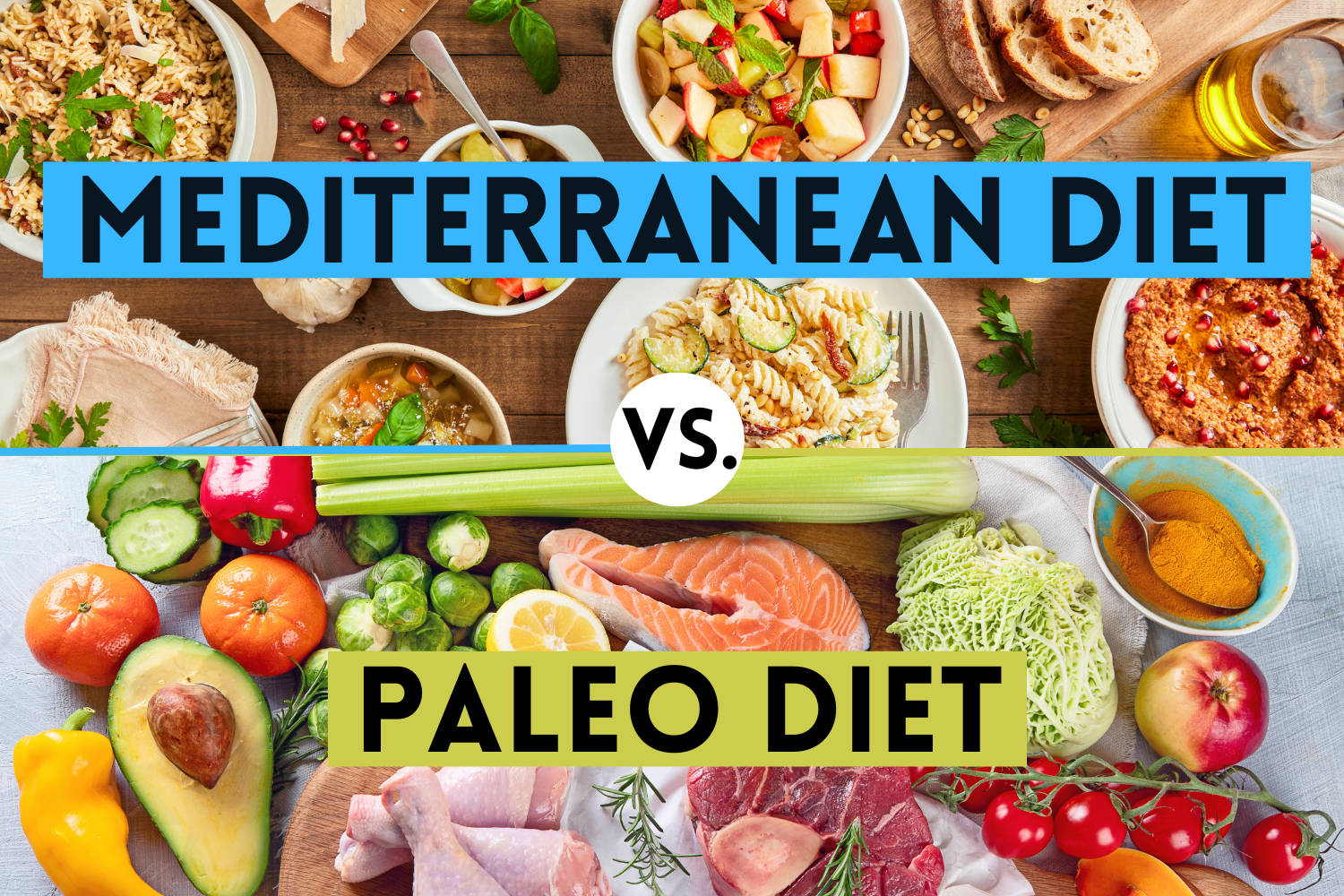
Are you trying to choose between the Mediterranean diet and the Paleo diet but feel overwhelmed by all the information out there? You’re not alone.
Both diets promise health benefits, weight loss, and more energy, but they follow very different rules. Which one fits your lifestyle better? Which will help you feel your best every day? You’ll discover the key differences and surprising similarities between these two popular eating plans.
By the end, you’ll have a clear idea of which diet suits your goals and how to make it work for you. Keep reading to unlock the secrets behind Mediterranean Diet versus Paleo and take control of your health journey today.
Credit: www.mediterraneanliving.com
Mediterranean Diet Basics
The Mediterranean diet is a popular eating style inspired by countries surrounding the Mediterranean Sea. It emphasizes fresh, whole foods and balanced meals. People enjoy its flavors and health benefits worldwide. Understanding its basics helps compare it to other diets like Paleo.
Core Foods
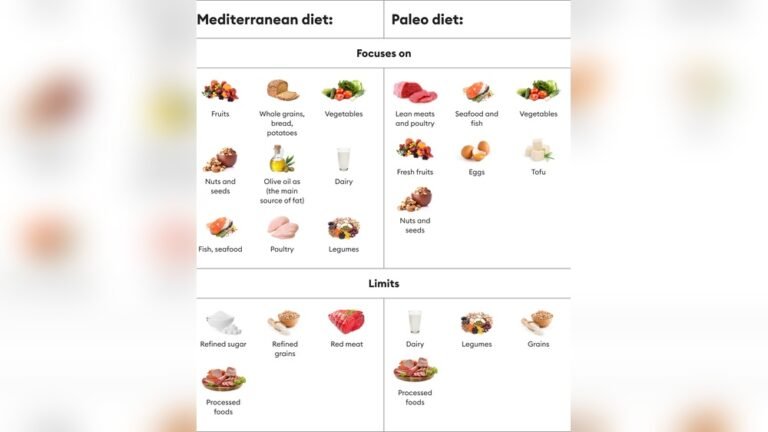
The diet focuses on fruits, vegetables, whole grains, and legumes. Nuts and seeds are common snacks. Fish and seafood appear often, providing healthy protein. Poultry, eggs, and dairy are eaten in moderation. Red meat is rare and usually reserved for special occasions.
Typical Meal Patterns
Meals emphasize plant-based foods with small portions of animal products. Breakfast may include yogurt and fruit or whole-grain bread. Lunch and dinner often feature salads, vegetables, and grains with fish or chicken. Meals are social events, eaten slowly and with family or friends.
Traditional Fats And Oils
Olive oil is the main fat used for cooking and dressing foods. It provides healthy monounsaturated fats that support heart health. Small amounts of nuts and seeds add healthy fats too. Butter and animal fats are rarely used. This focus on good fats sets the diet apart.
Paleo Diet Essentials
The Paleo diet focuses on eating foods similar to those of ancient hunter-gatherers. It emphasizes natural, whole foods and avoids processed items. The goal is to eat in a way that matches human evolution.
This diet promotes foods that are easy to hunt, gather, or fish. It excludes modern agricultural products and processed foods. Understanding the basics helps compare it with the Mediterranean diet.
Key Food Groups
The Paleo diet includes lean meats, fish, and seafood. It also features fresh fruits and vegetables. Nuts and seeds provide healthy fats and protein. Eggs are another important source of nutrition.
Natural oils like olive oil and coconut oil are allowed. These fats support energy and brain health. Herbs and spices add flavor without artificial ingredients.
Avoided Ingredients
The diet excludes grains such as wheat, rice, and corn. Dairy products are not part of the Paleo plan. Refined sugar and artificial sweeteners are avoided. Processed foods and additives are off-limits.
Legumes like beans, lentils, and peanuts are excluded. The diet also avoids vegetable oils like soybean and corn oil. These restrictions focus on eating whole, unprocessed foods.
Meal Structure
Meals center on protein and vegetables. Carbohydrates come mainly from fruits and some vegetables. Snacking is allowed but should be healthy, like nuts or fruit. The diet encourages eating when hungry and stopping when full.
Cooking methods include grilling, roasting, and steaming. Avoid deep-frying or heavily processed cooking styles. Meals are simple and focus on nutrient-dense foods.
Nutritional Comparison
The Mediterranean and Paleo diets focus on whole, natural foods but differ nutritionally. Comparing their nutrient content helps understand which fits your needs best. Both provide essential nutrients but vary in macronutrients, vitamins, minerals, fiber, and antioxidants.
Examining these differences clarifies the strengths of each diet. You can choose based on your health goals and preferences.
Macronutrient Breakdown
The Mediterranean diet emphasizes healthy fats, mostly from olive oil and nuts. It includes moderate protein mainly from fish and legumes. Carbohydrates come from whole grains, fruits, and vegetables.
The Paleo diet focuses on higher protein from meat, fish, and eggs. It limits carbohydrates by avoiding grains and legumes. Fat intake is moderate, coming from animal sources and nuts.
Overall, Mediterranean has more carbs and healthy fats. Paleo has more protein and fewer carbs.
Vitamin And Mineral Profiles
Mediterranean diet provides high amounts of vitamins A, C, E, and folate. Minerals like magnesium, potassium, and calcium are abundant due to fruits and vegetables.
Paleo diet offers rich sources of iron, zinc, and B vitamins from meat. It may lack some vitamins found in grains and legumes, such as folate.
Each diet covers different vitamin and mineral needs depending on food choices.
Fiber And Antioxidants
The Mediterranean diet is rich in fiber from whole grains, fruits, and vegetables. It also contains many antioxidants that support health and reduce inflammation.
Paleo diet has less fiber because it excludes grains and legumes. It still provides antioxidants through vegetables, fruits, and nuts allowed.
Fiber intake is generally higher with the Mediterranean diet. Both diets offer antioxidants but from different sources.
Health Benefits Of Mediterranean Diet
The Mediterranean diet is famous for its many health benefits. It focuses on natural, whole foods like fruits, vegetables, whole grains, nuts, and olive oil. This diet encourages eating fish and moderate amounts of dairy and wine. It avoids processed foods and emphasizes balance and variety. Many people choose this diet to improve overall well-being and reduce the risk of chronic diseases.
Heart Health
The Mediterranean diet supports a healthy heart. It is rich in healthy fats from olive oil and nuts. These fats help lower bad cholesterol levels. Eating more fruits and vegetables adds antioxidants that protect the heart. Fish provides omega-3 fatty acids, which reduce inflammation. Studies show this diet lowers the risk of heart disease and stroke.
Weight Management
This diet helps with weight control. It focuses on whole foods that fill you up without extra calories. The high fiber content from vegetables and grains promotes fullness. Healthy fats provide long-lasting energy and reduce hunger. People following this diet often find it easier to maintain a healthy weight.
Cognitive Effects
The Mediterranean diet may boost brain health. Nutrients from fish and olive oil support memory and thinking skills. Antioxidants from fruits and vegetables protect brain cells from damage. Research links this diet to a lower risk of Alzheimer’s disease and cognitive decline. It helps keep the mind sharp as people age.
Health Benefits Of Paleo Diet
The Paleo diet focuses on eating foods similar to those of early humans. It emphasizes whole foods like meat, fish, vegetables, fruits, nuts, and seeds. This diet avoids processed foods, grains, and dairy. Many people follow Paleo for its health benefits. These benefits include reducing inflammation, controlling blood sugar, and improving gut health.
Inflammation Reduction
The Paleo diet helps lower inflammation in the body. It removes processed foods and sugar that cause inflammation. Eating more vegetables and healthy fats also supports the immune system. Reducing inflammation can lead to less joint pain and better overall health.
Blood Sugar Control
Paleo limits foods that cause blood sugar spikes. It avoids refined grains and sugars. Instead, it focuses on proteins and fiber-rich vegetables. This helps keep blood sugar levels steady. Stable blood sugar reduces the risk of diabetes and energy crashes.
Gut Health
The Paleo diet promotes a healthy gut by including fiber from fruits and vegetables. It avoids processed foods that can harm gut bacteria. Good gut health improves digestion and boosts the immune system. A balanced gut also supports better mood and energy.
Sustainability And Accessibility
Sustainability and accessibility are key factors in choosing a diet. Both the Mediterranean and Paleo diets offer health benefits but differ in environmental effects and ease of adoption. Understanding these differences helps you pick a plan that fits your lifestyle and values.
Environmental Impact
The Mediterranean diet relies on plant-based foods, olive oil, and moderate fish consumption. These choices have a lower carbon footprint than diets heavy in red meat. The Paleo diet encourages eating more meat and animal products, which often require more resources to produce. This can lead to a higher environmental impact. The Mediterranean diet supports local farming and seasonal produce, making it a greener option overall.
Cost And Availability
Many Mediterranean foods like grains, vegetables, and legumes are affordable and widely available. Olive oil and fish may cost more but remain accessible in most supermarkets. The Paleo diet’s focus on grass-fed meats, nuts, and specialty products can increase grocery bills. Some Paleo-friendly foods may be harder to find in regular stores. Thus, the Mediterranean diet tends to be easier on the wallet and more convenient for everyday shopping.
Cultural Adaptability
The Mediterranean diet has roots in many cultures around the Mediterranean Sea. Its flexibility allows easy adaptation to different tastes and traditions. It includes a wide variety of foods that fit many cultural preferences. The Paleo diet follows ancient eating patterns that may not align with modern food customs worldwide. This can make it harder for some people to adopt and maintain. The Mediterranean diet’s broad appeal makes it a more accessible choice for diverse populations.
Incorporating Eggs And Dairy
Eggs and dairy are common in many diets. They provide protein and essential nutrients. Both Mediterranean and Paleo diets use these foods but differently. Understanding their roles helps choose the right diet for health and taste.
Eggs In Mediterranean Diet
Eggs are a regular part of the Mediterranean diet. People eat them several times a week. They are valued for their protein and vitamins. Mediterranean recipes often include eggs in salads and vegetable dishes. The diet encourages moderate egg consumption, balancing them with fruits and vegetables. Eggs support muscle health and energy in this diet.
Dairy In Paleo Diet
The Paleo diet usually limits dairy intake. It focuses on foods available before farming. Many Paleo followers avoid milk, cheese, and yogurt. Some allow fermented dairy like aged cheese or butter. The goal is to reduce lactose and processed foods. Dairy exclusion helps reduce inflammation for some people. Paleo emphasizes meat, fish, nuts, and vegetables instead.
Common Misconceptions
Many people misunderstand the Mediterranean and Paleo diets. These misconceptions can confuse those trying to choose the right eating plan. Clearing up these myths helps you see both diets clearly.
Both diets have unique rules and benefits. Knowing what is true and false aids better decisions. Let’s explore some common wrong ideas about meat, processed foods, and diet flexibility.
Myths About Meat Consumption
Some think the Paleo diet means eating unlimited meat. This is not true. Paleo focuses on lean meats and wild-caught fish, not large portions of red meat daily.
The Mediterranean diet does include meat but in smaller amounts. It emphasizes fish and plant-based proteins more than red meat. Both diets promote balanced meat consumption for health.
Processed Foods And Additives
People often believe Paleo bans all processed foods strictly. The truth is, it avoids processed foods with artificial ingredients. Simple, natural foods remain the core of Paleo eating.
The Mediterranean diet allows some minimally processed foods like cheese and yogurt. It focuses on fresh fruits, vegetables, whole grains, and healthy fats. Both diets avoid harmful additives and chemicals.
Flexibility And Restrictions
Many think Paleo is very rigid and hard to follow. Paleo can be flexible by choosing different protein sources and vegetables. It adapts to personal needs while avoiding grains and sugars.
The Mediterranean diet is known for its flexibility. It welcomes variety and allows occasional treats like wine or sweets. Both diets offer ways to enjoy food without strict limitations.
Choosing The Right Diet For You
Choosing the right diet means matching your eating habits to your daily life and health needs. Both Mediterranean and Paleo diets offer unique benefits. Understanding your lifestyle, goals, and how long you can maintain the diet helps make a better choice.
Lifestyle Considerations
The Mediterranean diet fits well with social meals and family gatherings. It focuses on plant foods, olive oil, and moderate fish and meat. It suits people who enjoy cooking and eating slowly.
The Paleo diet suits those who prefer simple, whole foods and avoid processed items. It emphasizes meat, fish, vegetables, nuts, and excludes grains and dairy. Good for active people who want a protein-rich diet.
Health Goals
Choose the Mediterranean diet to support heart health, reduce inflammation, and improve longevity. It’s rich in healthy fats and antioxidants. This diet may help lower cholesterol and blood pressure.
The Paleo diet may help with weight loss and blood sugar control. It removes processed foods and added sugars. People with autoimmune issues may find relief with Paleo’s focus on whole, natural foods.
Long-term Sustainability
The Mediterranean diet is easier to maintain long term. Its variety keeps meals interesting and balanced. It fits many cultures and food preferences.
The Paleo diet can be strict and harder to follow over time. Avoiding grains and dairy requires planning. Some may find it limiting socially and economically.
Credit: www.mediterraneanliving.com

Credit: ultimatenutrition.com
Conclusion
Choosing between the Mediterranean and Paleo diets depends on your needs. Both promote whole, natural foods and avoid processed items. The Mediterranean diet includes grains, legumes, and healthy fats like olive oil. Paleo focuses on meats, nuts, and vegetables, avoiding grains and dairy.
Both support good health but differ in food variety and restrictions. Consider your lifestyle, taste, and health goals before deciding. Small changes lead to lasting benefits. Stay consistent and enjoy the journey to better eating habits.