

Are you tired of complicated diets and intense workout routines that drain your energy and time? What if you could lose fat without overhauling your entire lifestyle or spending hours at the gym?
Minimal effort fat loss strategies are designed exactly for you—simple, effective ways to shed unwanted pounds while keeping your daily routine manageable. Imagine making small changes that add up to real results, helping you feel healthier and more confident without the stress.
Keep reading to discover easy-to-follow tips that fit into your life effortlessly and get you closer to your fat loss goals starting today.

Credit: www.girlsgonestrong.com
Simple Meal Hacks
Simple meal hacks make fat loss easier and less stressful. Small changes in your meals can help control calories without feeling hungry. Focus on easy swaps and smart choices that keep you full and satisfied. Consistency in these habits supports steady fat loss over time.
Balanced Meals With Protein
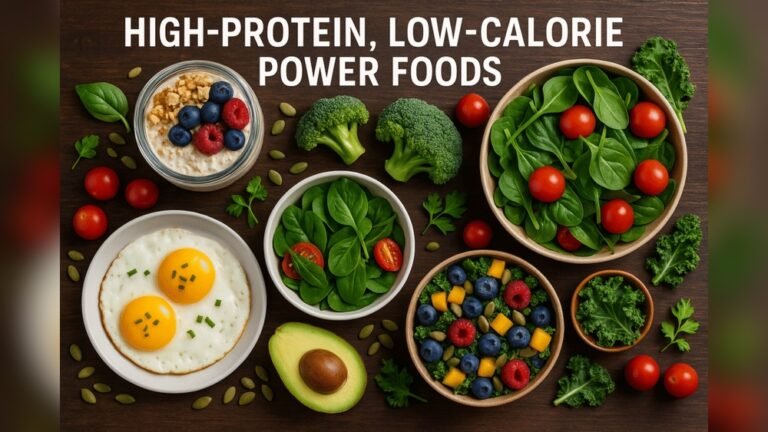
Protein helps you feel full longer and keeps muscles strong. Include lean meats, eggs, beans, or dairy in every meal. Protein also boosts metabolism slightly, helping burn more calories. Aim for a palm-sized portion of protein each time you eat.
Healthy Fats And Complex Carbs
Healthy fats like avocados, nuts, and olive oil provide energy and support brain health. Complex carbs such as whole grains, vegetables, and legumes digest slowly. This steady digestion prevents blood sugar spikes and reduces cravings. Combine fats and carbs to stay energized and satisfied.
Portion Control Tips
Use smaller plates to naturally reduce portion sizes. Fill half your plate with vegetables for volume and nutrients. Avoid eating straight from packages to stop overeating. Listen to your hunger and stop eating when you feel satisfied, not stuffed.
Hydration And Its Role
Hydration plays a vital role in fat loss with minimal effort. Drinking enough water supports many body functions that help burn fat effectively. Staying hydrated keeps your metabolism active and aids digestion. Simple water habits can make a difference without extra work.
Water For Metabolism
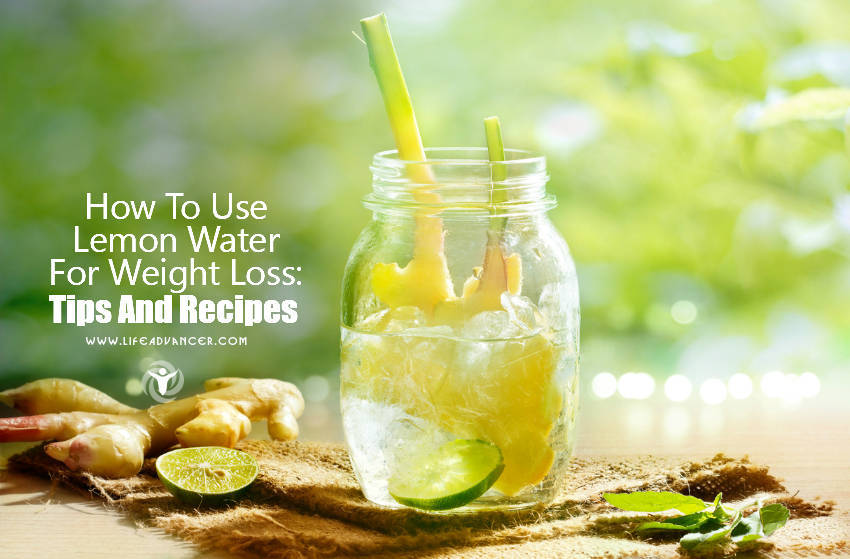
Water boosts your metabolism by helping your body burn calories. Drinking cold water can make your body work harder to warm it up, which uses energy. Proper hydration also supports liver and kidney functions that break down fat. Without enough water, your metabolism slows down, making fat loss harder.
Timing Your Water Intake
When you drink water matters for fat loss. Drinking a glass of water before meals helps you feel full and eat less. Starting your day with water wakes up your metabolism. Also, drinking water throughout the day keeps your energy steady. Avoid drinking large amounts during meals to help digestion.
Sustainable Habits
Building sustainable habits is key for lasting fat loss with minimal effort. Small changes that fit easily into daily life create steady progress. These habits help avoid burnout and keep motivation high. Focus on simple adjustments that reduce calorie intake without feeling like a diet. Consistency over time is what makes these strategies effective.
Avoiding Late-night Snacking
Late-night snacking often adds extra calories without hunger. The body’s metabolism slows down at night, making it harder to burn those calories. Try to finish your last meal a few hours before bedtime. If hunger strikes, choose light snacks like a small fruit or nuts. This habit reduces unnecessary calorie intake and helps improve sleep quality.
Limiting Liquid Calories
Drinks like soda, juice, and alcohol contain many hidden calories. These calories do not fill you up, leading to overeating later. Replace sugary drinks with water, herbal tea, or black coffee. Drinking water before meals can also reduce appetite. Cutting liquid calories lowers total daily intake without changing your meals.
Mindful Eating Practices
Mindful eating means paying full attention to your food. Eat slowly and savor each bite to recognize fullness signals. Avoid distractions like TV or phones during meals. This habit helps prevent overeating and encourages better food choices. Being present while eating strengthens your connection to hunger and satisfaction.
Low-impact Fat Burning
Low-impact fat burning offers a gentle yet effective way to lose fat with minimal strain. It fits well for those new to exercise or recovering from injury. These workouts burn fat steadily without harsh impact on joints or muscles.
Low-impact activities help maintain a steady heart rate that encourages fat usage over sugar. They keep you moving longer, increasing total fat burned in a session. This approach supports gradual and sustainable fat loss.
Maximizing Fat Utilization
Low-impact workouts focus on steady, moderate effort to use fat as fuel. The body prefers fat at lower intensities because it provides long-lasting energy. Keeping your heart rate in the fat-burning zone helps maximize this effect.
Consistent sessions improve your body’s ability to tap into fat stores. Over time, this makes fat burning more efficient. Choose activities like walking, cycling, or swimming for best results.
Engaging Key Muscle Groups
Low-impact exercises target large muscles such as glutes, hamstrings, and core. These muscles require more energy, which increases fat burning. Engaging multiple muscle groups boosts metabolism during and after workouts.
Using these muscles also improves strength and stability. This support helps prevent injuries and enhances daily movement. Focus on exercises that activate these muscles gently but effectively.
Benefits Of Low-impact Workouts
Low-impact workouts reduce stress on joints and bones. They lower the risk of injury while still promoting fat loss. This makes them ideal for all ages and fitness levels.
These workouts improve endurance and cardiovascular health gradually. They are easier to stick with, increasing long-term success. Plus, they help recovery by promoting blood flow without strain.
Nutrition And Calorie Deficit
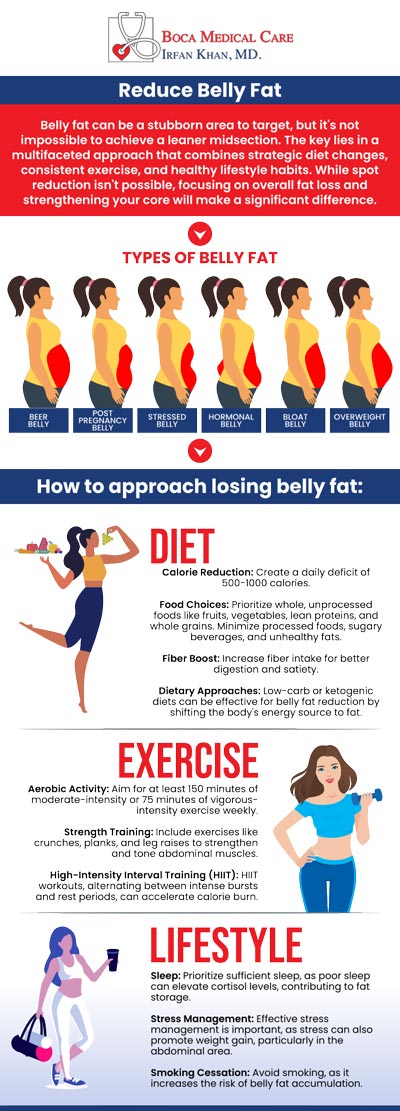
Nutrition plays a crucial role in fat loss. Creating a calorie deficit means eating fewer calories than the body uses. This forces the body to use stored fat for energy. A consistent calorie deficit supports steady fat loss. It helps avoid muscle loss and keeps metabolism stable.
Simple changes in eating habits can achieve a calorie deficit. Focus on whole foods like vegetables, lean proteins, and healthy fats. Avoid processed foods high in sugar and unhealthy fats. Drinking plenty of water also supports metabolism and controls hunger.
Importance Of Consistent Deficit
Consistency in calorie deficit is key for fat loss. Skipping meals or drastic dieting causes energy dips and cravings. A small, steady deficit is easier to maintain daily. This approach helps the body adjust without stress.
Maintaining a consistent deficit prevents weight plateaus. It also reduces the risk of regaining weight quickly. Tracking food intake helps ensure the deficit stays steady. Use simple tools like food journals or apps for accuracy.
Balancing Time And Efficiency
Fat loss does not require spending hours dieting or cooking. Meal prepping simple, balanced meals saves time and effort. Choose foods that are quick to prepare but nutritious.
Prioritize nutrient-dense foods to feel full longer. This reduces the need for frequent snacking. Eating regular meals supports energy levels and reduces overeating.
Focus on quality over quantity. A well-planned calorie deficit is more effective than strict food rules. This balance makes fat loss easier and more sustainable over time.
Credit: www.ctcd.edu
Metabolic Flexibility Tips
Metabolic flexibility helps your body switch between burning carbs and fats for energy. This ability improves fat loss with less effort. Enhancing metabolic flexibility supports steady energy and reduces cravings. Simple strategies can boost this metabolic skill in your daily routine.
Alternating Carb And Fat Meals
Switching between carb-focused and fat-focused meals trains your metabolism. Eat more carbs on active days to fuel workouts. On rest days, choose higher fat meals to encourage fat burning. This pattern prevents your body from relying on one fuel source. It helps maintain steady energy and improves fat loss.
Incorporating Hiit Workouts
High-Intensity Interval Training (HIIT) boosts metabolic flexibility fast. Short bursts of intense exercise increase your body’s ability to use fat for fuel. HIIT sessions raise your metabolism even after you finish. Try 15-20 minutes of HIIT two to three times a week. This method fits well with busy schedules and requires minimal time.
Using Journaling For Progress
Keeping a journal tracks your food, workouts, and energy levels. Writing down your meals helps you notice carb and fat cycling patterns. Recording workouts shows how your body responds to HIIT sessions. Journaling keeps you aware of small changes that improve metabolic flexibility. It motivates you to stay consistent without feeling overwhelmed.
Building Foundational Habits
Building foundational habits is key to losing fat with minimal effort. Small, consistent actions shape long-term success. These habits create a strong base for healthy living. They make fat loss easier and more natural over time.
Daily Minimums For Movement
Move your body every day, even for just a few minutes. Simple actions like walking or stretching add up. Aim for a daily goal that feels easy and doable. This keeps your metabolism active without overwhelming you. Regular movement helps burn calories steadily and boosts energy.
Simple Nutrient Focus
Focus on eating whole, simple foods that fuel your body well. Prioritize protein to help keep you full and preserve muscle. Include healthy fats and complex carbs for steady energy. Avoid highly processed foods that cause cravings. Drinking plenty of water supports digestion and reduces hunger.
Credit: www.bocamedicalcare.com
Potential Challenges
Minimal effort fat loss strategies can simplify weight management. Yet, challenges often arise that can slow progress or cause frustration. Recognizing these obstacles helps maintain focus and adapt methods for better results.
Fat loss without heavy effort sounds easy but may test patience and habits. Some common difficulties include dealing with diet limits, feeling overwhelmed, and finding the right balance between simple actions and real impact.
Overcoming Restrictive Diets
Strict diets can feel limiting and hard to keep. Cutting out many foods may lead to cravings and binges. Instead, focus on variety and moderation. Allow flexibility to enjoy favorite foods in smaller portions. This way, dieting feels less like a chore and more like a lifestyle change.
Avoiding Overwhelm
Too many tips and rules cause confusion and stress. Trying to change everything at once often fails. Pick one or two small habits to start. Build slowly and celebrate small wins. This keeps motivation high and stress low. Keep routines simple to stick with them long term.
Balancing Simplicity And Effectiveness
Simple methods must still work to lose fat. Avoid shortcuts that promise quick fixes without effort. Combine easy habits with smart food choices and light activity. Track progress to see what works best. Adjust plans without adding complexity. This balance helps achieve steady, lasting fat loss.
Conclusion
Minimal effort fat loss strategies focus on simple, steady habits. Small changes add up over time to create lasting results. Eating balanced meals and staying hydrated support your goals. Avoiding late-night snacks and sugary drinks helps control calorie intake. Consistency matters more than intensity in achieving fat loss.
Choose actions you can keep doing every day without stress. This approach makes fat loss doable and less overwhelming. Start with easy steps and build healthy habits naturally. Your body will respond well to steady, manageable changes.