

Have you ever wondered what your BMI really says about your health? Your BMI index is more than just a number—it’s a quick way to understand where you stand in terms of body weight and overall wellness.
Knowing your BMI can help you make smarter choices about your diet, exercise, and lifestyle. You’ll discover how to calculate your BMI easily, what the numbers mean for you, and simple steps to improve your health starting today. Ready to take control of your well-being?
Let’s dive into everything you need to know about your BMI index.
What Is Bmi
BMI stands for Body Mass Index. It is a simple way to check if your weight is healthy for your height. Many doctors and health experts use BMI to get a quick idea of body fat. BMI helps people understand their risk for health problems related to weight.
Bmi Calculation Basics
BMI uses two numbers: weight and height. You divide your weight in kilograms by your height in meters squared. The formula is easy and fast. This number shows if you are underweight, normal, overweight, or obese. You can also use pounds and inches with a slightly different formula.
Why Bmi Matters
BMI gives a quick health check. It helps spot risks like heart disease and diabetes. Doctors use BMI to guide advice on diet and exercise. Knowing your BMI can motivate healthy choices. It is not perfect but works well for most adults.
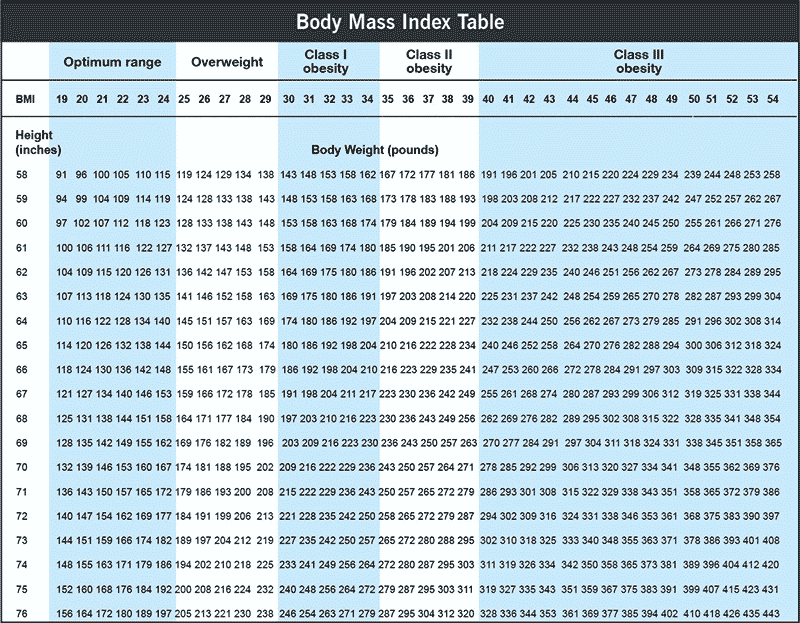
Credit: my.clevelandclinic.org
How To Calculate Your Bmi
Knowing your Body Mass Index (BMI) helps understand your body fat level. It uses simple measurements like height and weight. Calculating BMI is quick and easy. It guides you to maintain a healthy weight and lifestyle.
There are different ways to find your BMI. You can do it manually or use online tools. Both methods give you a number that shows if your weight is healthy.
Using Height And Weight
To calculate BMI, measure your height in meters and weight in kilograms.
Divide your weight by your height squared. The formula is: BMI = weight (kg) ÷ height (m)².
For example, if you weigh 70 kg and are 1.75 m tall, your BMI is 70 ÷ (1.75 × 1.75) = 22.86.
This number helps you see if you are underweight, normal, overweight, or obese.
Online Bmi Calculators
Online BMI calculators make the process faster. Enter your height and weight in the boxes provided.
The calculator does the math and shows your BMI instantly.
Many websites offer these calculators for free. Some even explain what your BMI means for your health.
Using an online tool reduces errors in calculation and saves time.
Bmi Categories
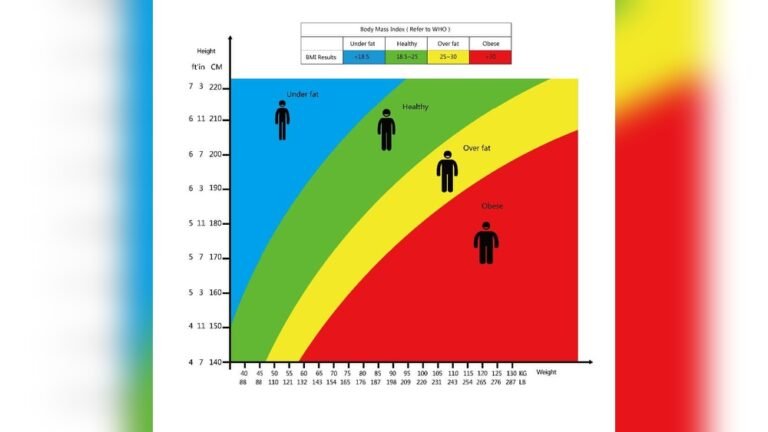
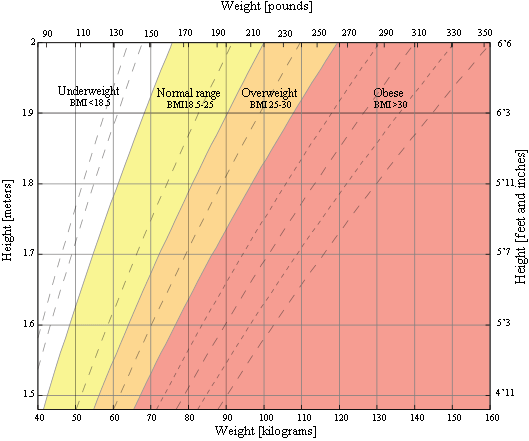
BMI categories help understand health risks linked to body weight. These categories classify body mass index into groups. Each group shows a range of BMI values. Knowing your category guides your health decisions.
Underweight
Underweight means having a BMI less than 18.5. This may signal nutritional problems or health issues. People in this group might need to gain weight. Doctors often suggest a balanced diet and checkups.
Healthy Weight
Healthy weight falls between a BMI of 18.5 and 24.9. This range suggests a balanced body weight for height. People here usually have lower health risks. Maintaining this weight supports overall well-being.
Overweight
Overweight is a BMI from 25 to 29.9. It indicates extra body fat that may cause health problems. Weight management can lower risks linked to this category. Exercise and diet changes help reduce overweight.
Obesity Levels
Obesity starts at a BMI of 30 or higher. It divides into three classes based on severity. Obesity raises risks of heart disease, diabetes, and other conditions. Medical advice is important for managing obesity safely.
Limitations Of Bmi
Body Mass Index (BMI) is a widely used tool to estimate body fat. It helps classify people into categories such as underweight, normal weight, overweight, or obese. Despite its popularity, BMI has clear limitations. It does not measure body composition or consider other important factors. Understanding these limits is key to using BMI wisely.
Muscle Vs Fat
BMI cannot tell the difference between muscle and fat. Muscular people may have a high BMI but low body fat. This can misclassify athletes as overweight or obese. Fat tissue is less dense than muscle, so two people with the same BMI may have very different body fat levels. BMI alone may not reflect true health status.
Age And Gender Factors
BMI does not adjust for age or gender differences. Older adults tend to lose muscle and gain fat, but their BMI may stay the same. Women usually have more body fat than men at the same BMI. These factors affect body composition and health risks. BMI values can be less accurate across different ages and sexes.
Ethnic Differences
Ethnicity influences body fat distribution and health risks. Some ethnic groups have higher fat levels at lower BMIs. For example, Asian populations may face health risks at lower BMI thresholds. Standard BMI cutoffs may not suit all ethnic groups. Taking ethnic background into account improves health assessments.
Bmi And Health Risks
Body Mass Index (BMI) is a simple number from height and weight. It helps show if a person has a healthy body weight. BMI can indicate possible health risks linked to weight. These risks include heart disease, diabetes, and certain cancers. Understanding these risks helps people make better health choices.
Heart Disease
High BMI often means extra body fat. This fat can raise blood pressure and cholesterol. Both factors increase the chance of heart disease. People with high BMI may also have harder heart function. Keeping BMI in a healthy range lowers heart disease risk.
Diabetes
A high BMI can cause insulin resistance. This means the body has trouble using insulin well. Insulin helps control blood sugar levels. Insulin resistance can lead to type 2 diabetes. Managing BMI through diet and exercise reduces this risk.
Cancer Risks
Excess body fat linked to high BMI can raise cancer risks. Some cancers include breast, colon, and kidney cancer. Fat tissue may affect hormones that influence cancer growth. Maintaining a healthy BMI helps lower these cancer risks.
Improving Your Bmi
Improving your BMI supports better health and energy levels. Small changes in diet, activity, and habits can help achieve a healthy BMI. Consistency matters more than perfection. Focus on simple, daily steps to make progress.
Healthy Eating Habits
Choose whole foods like fruits, vegetables, and whole grains. Avoid processed foods high in sugar and fat. Drink plenty of water throughout the day. Eat smaller portions and avoid late-night snacks. Balanced meals help control weight and improve BMI.
Exercise Tips
Include at least 30 minutes of moderate exercise daily. Walking, cycling, or swimming are great options. Strength training builds muscle and boosts metabolism. Start slow and increase activity gradually. Regular exercise helps burn calories and supports a healthy BMI.
Lifestyle Changes
Get enough sleep to support weight management. Manage stress with relaxation techniques like deep breathing. Avoid smoking and limit alcohol intake. Stay consistent with healthy routines. Lifestyle changes play a key role in improving BMI over time.
Tracking Your Progress
Tracking your progress with My BMI Index helps you understand your health journey better. It shows how your body changes over time. This information keeps you motivated and aware of your health status.
Regular tracking helps you see patterns and adjust your habits. It is a simple way to keep your health goals on track. Small changes add up to big results.
Using Bmi Over Time
Monitoring your BMI regularly shows trends in your weight and health. It helps you notice if you are gaining or losing weight too fast. Tracking BMI over weeks or months reveals your progress clearly. Use the same method each time for accurate results. This consistency helps you make better health decisions.
Other Health Metrics
BMI is useful but not the only health measure. Tracking waist size, body fat, and muscle mass adds more insight. Blood pressure and energy levels also show your health status. Combining these metrics gives a fuller picture of your wellbeing. It helps you target areas that need improvement.
Bmi For Different Groups
BMI, or Body Mass Index, helps measure body fat by using height and weight. It gives a quick view of health, but the meaning changes across different groups of people.
Different ages and lifestyles affect what a healthy BMI looks like. This section explains how BMI works for children, older adults, and athletes.
Children And Teens
Children and teens grow fast. Their BMI changes with age and gender. Doctors use special BMI charts made for kids. These charts compare a child’s BMI to others of the same age. A BMI in the 5th to 85th percentile is usually healthy. BMI outside this range may need attention.
Older Adults
Older adults lose muscle as they age. This can make BMI less accurate. A slightly higher BMI might be safer for older people. Low BMI in older adults may mean muscle loss or poor nutrition. Doctors look at other health signs along with BMI in this group.
Athletes
Athletes have more muscle than average people. Muscle weighs more than fat. This can make their BMI seem high. A high BMI in athletes does not always mean they are overweight. Other tests like body fat percentage give a clearer health picture for athletes.
Tools And Resources
Finding the right tools and resources makes understanding your BMI easier. Reliable tools help you track your body mass index accurately. Resources also guide you on what your BMI means for your health. Here are some trusted options to explore.
Trusted Bmi Calculators
Many websites offer free BMI calculators that are simple to use. These calculators require you to enter your height and weight. They quickly provide your BMI number and category. Trusted sources like the CDC, NHS, and NIH have accurate calculators. These tools follow official health guidelines. Using them helps you get a clear picture of your weight status.
Professional Guidance
Talking to health professionals gives a deeper understanding of your BMI. Doctors and dietitians can explain what your BMI means for your health. They offer advice on managing weight safely and effectively. Professionals consider other factors like muscle mass and body composition. Their guidance helps set realistic goals and plans. Regular check-ups can track your progress over time.
Credit: www.calculator.net

Credit: www.gastroclinix.com
Conclusion
Tracking your BMI helps you understand your body’s health better. It shows if your weight is in a healthy range. Remember, BMI is just one health tool, not the full picture. Use it with other checks like diet and exercise.
Stay active and eat well to keep a balanced lifestyle. Knowing your BMI guides you toward healthier habits every day. Keep learning and caring for your body’s needs. Small steps make a big difference in long-term wellness.