


Are you ready to take control of your eating habits and see real results? A no carb diet menu might be exactly what you need.
Cutting out carbs can feel overwhelming at first, but with the right plan, you’ll enjoy tasty meals that keep you full and energized. Imagine feeling lighter, sharper, and more confident every day. Keep reading, and you’ll discover simple, delicious options that fit your lifestyle and help you reach your goals faster than you thought possible.
Your new, healthier routine starts here.
Credit: www.mct2d.org
Benefits Of A No Carb Diet
A no carb diet offers several key benefits for health and weight management. It focuses on cutting out carbohydrates completely. This helps the body use fat for energy instead of sugar. Many people find they lose weight faster and feel more balanced. The diet also affects energy levels and blood sugar control positively. Understanding these benefits can help decide if this diet fits your lifestyle.
How It Boosts Fat Loss
Removing carbs forces the body to burn stored fat. Without sugar for fuel, fat becomes the main energy source. This process is called ketosis. It often leads to faster fat loss. The diet also reduces insulin levels. Lower insulin helps prevent fat storage. Many people see a drop in belly fat quickly. Appetite may decrease, making it easier to eat less. The no carb diet encourages steady fat burning throughout the day.
Impact On Energy Levels
Energy becomes more stable on a no carb diet. Blood sugar spikes and crashes reduce. This means fewer energy drops during the day. Fat provides a slow, steady energy supply. Some people report feeling more alert and focused. The body adapts after a few days to burning fat. Initial tiredness may occur but usually passes. The diet supports consistent energy without sudden slumps.
Effects On Blood Sugar
Cutting carbs helps control blood sugar levels. Without sugars and starches, blood glucose stays steady. This is important for people with diabetes. Insulin sensitivity can improve, lowering diabetes risk. The diet reduces the need for insulin spikes. Stable blood sugar means fewer cravings and mood swings. It supports overall metabolic health. Many find better control over hunger and energy with no carbs.
Foods To Eat
Choosing the right foods is key to a successful no carb diet menu. Focus on items that keep your body fueled without carbs. These foods help maintain energy and support weight loss. Here are some excellent options to include.
Proteins That Fit In
Protein is essential for muscle and overall health. Choose meats like chicken, turkey, beef, and pork. Fish such as salmon, tuna, and mackerel are also great. Eggs provide a versatile and low-carb protein source. These foods keep you full and help repair tissues.
Healthy Fats Choices
Fats provide energy and support brain function. Opt for olive oil, coconut oil, and avocado oil for cooking. Nuts like almonds, walnuts, and macadamias offer good fats and crunch. Avocados are rich in healthy fats and fiber. These fats keep hunger away and improve heart health.
Low-carb Vegetables
Vegetables add vitamins and minerals without many carbs. Leafy greens like spinach, kale, and lettuce are perfect. Broccoli, cauliflower, and zucchini work well in many dishes. Cucumbers and bell peppers add freshness and crunch. These vegetables help digestion and add volume to meals.
Foods To Avoid
Choosing the right foods is key on a no carb diet menu. Avoiding certain foods helps keep carb intake near zero. Knowing what to skip makes sticking to the diet easier and more effective.
Hidden Carbs To Watch
Many foods hide carbs that you may not expect. Sauces, dressings, and spices often contain sugar or starch. Processed meats sometimes include fillers with carbs. Reading labels carefully prevents accidental carb intake.
Some vegetables like onions and tomatoes have small carbs. These add up if eaten in large amounts. Low-carb does not always mean zero carbs. Choose foods with very low or no carbs instead.
Common High-carb Traps
Bread, pasta, and rice are major carb sources. They do not fit in a no carb diet. Most fruits are high in sugar and should be avoided. Starchy vegetables like potatoes and corn contain many carbs.
Snacks such as chips and crackers often have hidden carbs. Sweetened drinks and fruit juices add sugar quickly. Avoid packaged snacks unless they clearly state zero carbs.
Sample No Carb Menus
Sample no carb menus help you plan meals with zero carbohydrates. They make following a no carb diet easier and more enjoyable. You will find balanced meals that include proteins and healthy fats. These menus avoid sugars, grains, and starchy vegetables.
Below are examples of no carb meal ideas for a whole week. You will also find quick recipes and simple snack options. These menus keep your diet varied and tasty.
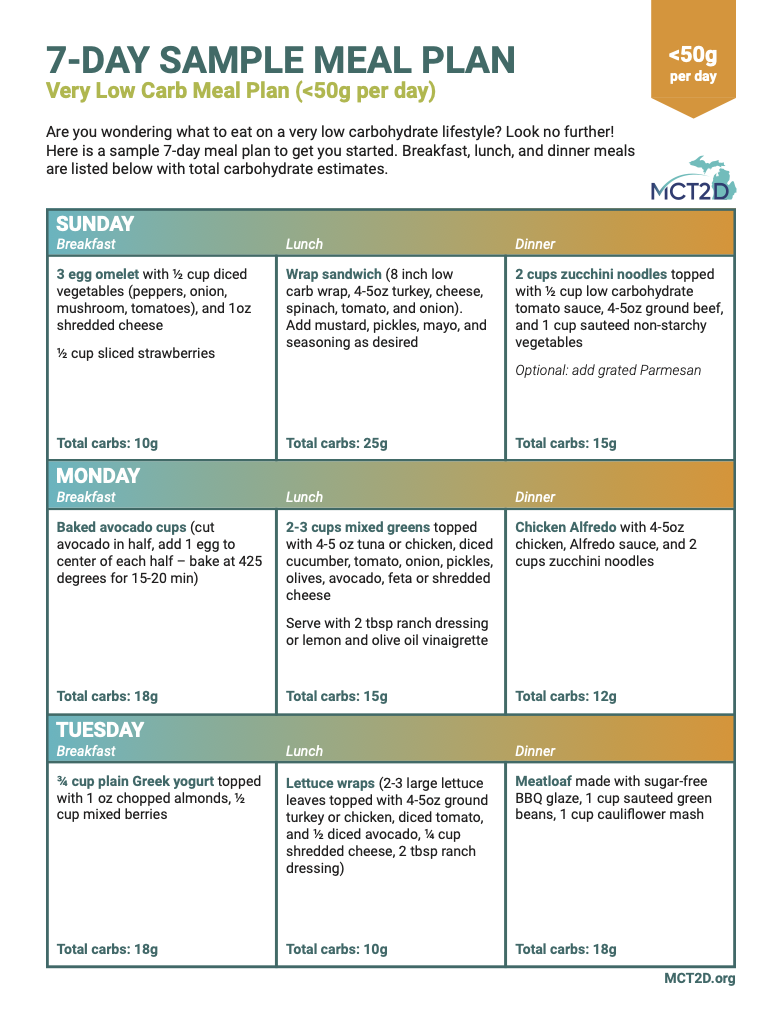
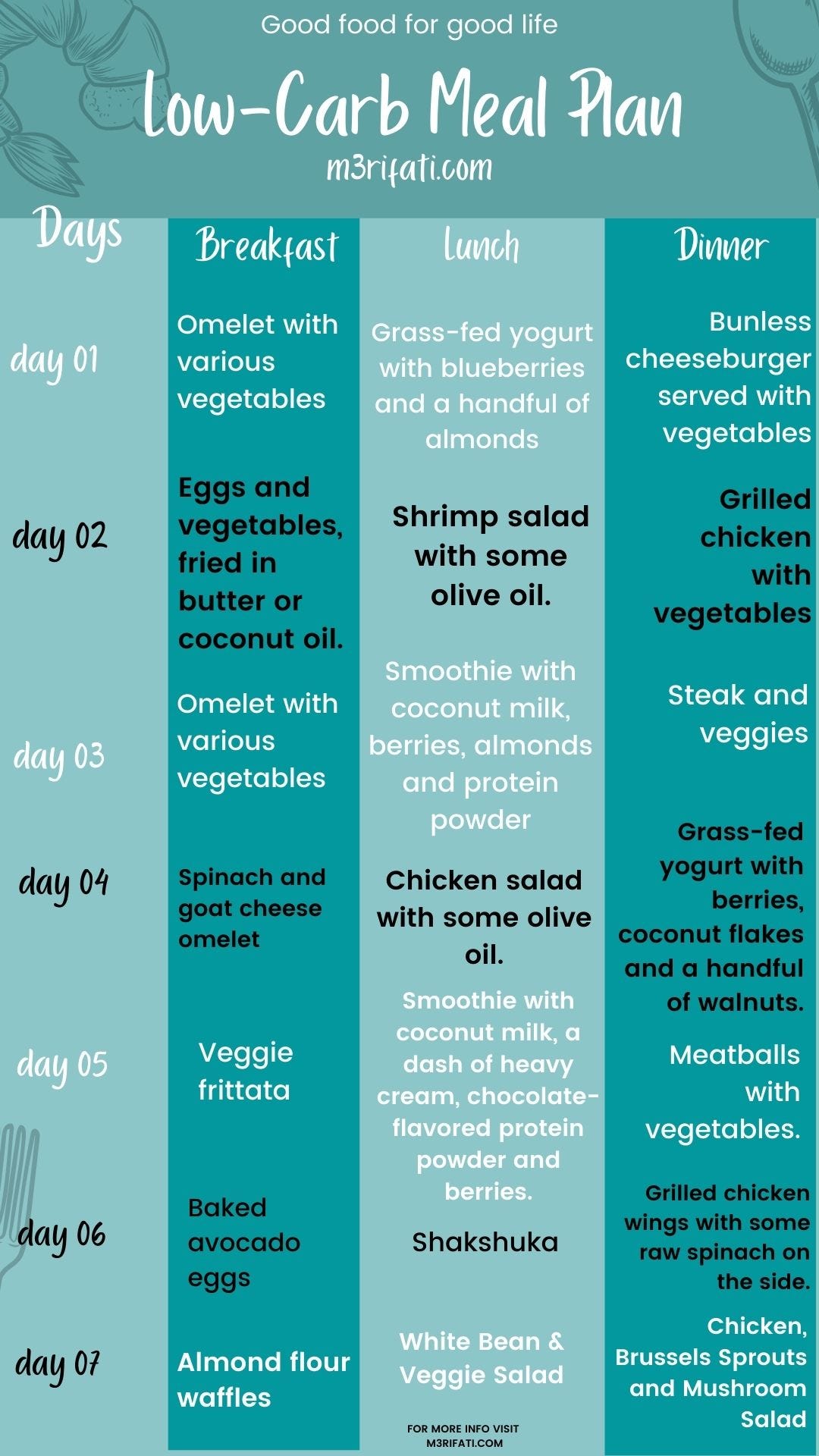
7-day Meal Plan
Day 1: Grilled chicken with steamed spinach and olive oil.
Day 2: Baked salmon with buttered asparagus.
Day 3: Beef steak with sautéed mushrooms and garlic.
Day 4: Omelette with cheese and avocado slices.
Day 5: Pork chops with roasted broccoli.
Day 6: Shrimp salad with olive oil and lemon dressing.
Day 7: Turkey meatballs with zucchini noodles.
Quick And Easy Recipes
Egg muffins with cheese and bacon cook in 20 minutes.
Avocado boats filled with tuna salad make a fast meal.
Grilled sausages with mustard and pickles take just 15 minutes.
Stir-fried chicken with cabbage and soy sauce is simple and tasty.
Snack Ideas
Hard-boiled eggs are perfect protein-rich snacks.
Cheese cubes provide fat and protein without carbs.
Olives are great for a salty, no carb bite.
Pork rinds add crunch without carbohydrates.
Tips For Staying On Track
Sticking to a no carb diet menu can be challenging. It requires focus and good habits. The right tips help you stay on track. You can enjoy your meals and avoid slipping up. These tips make the journey smoother and more enjoyable.
Managing Cravings
Cravings can be strong and hard to ignore. Drink plenty of water to feel full. Eat high-fat foods like nuts or cheese to satisfy hunger. Keep healthy snacks ready to avoid quick carb choices. Distract yourself with a short walk or hobby. Remember, cravings pass if you wait a little.
Meal Prep Strategies
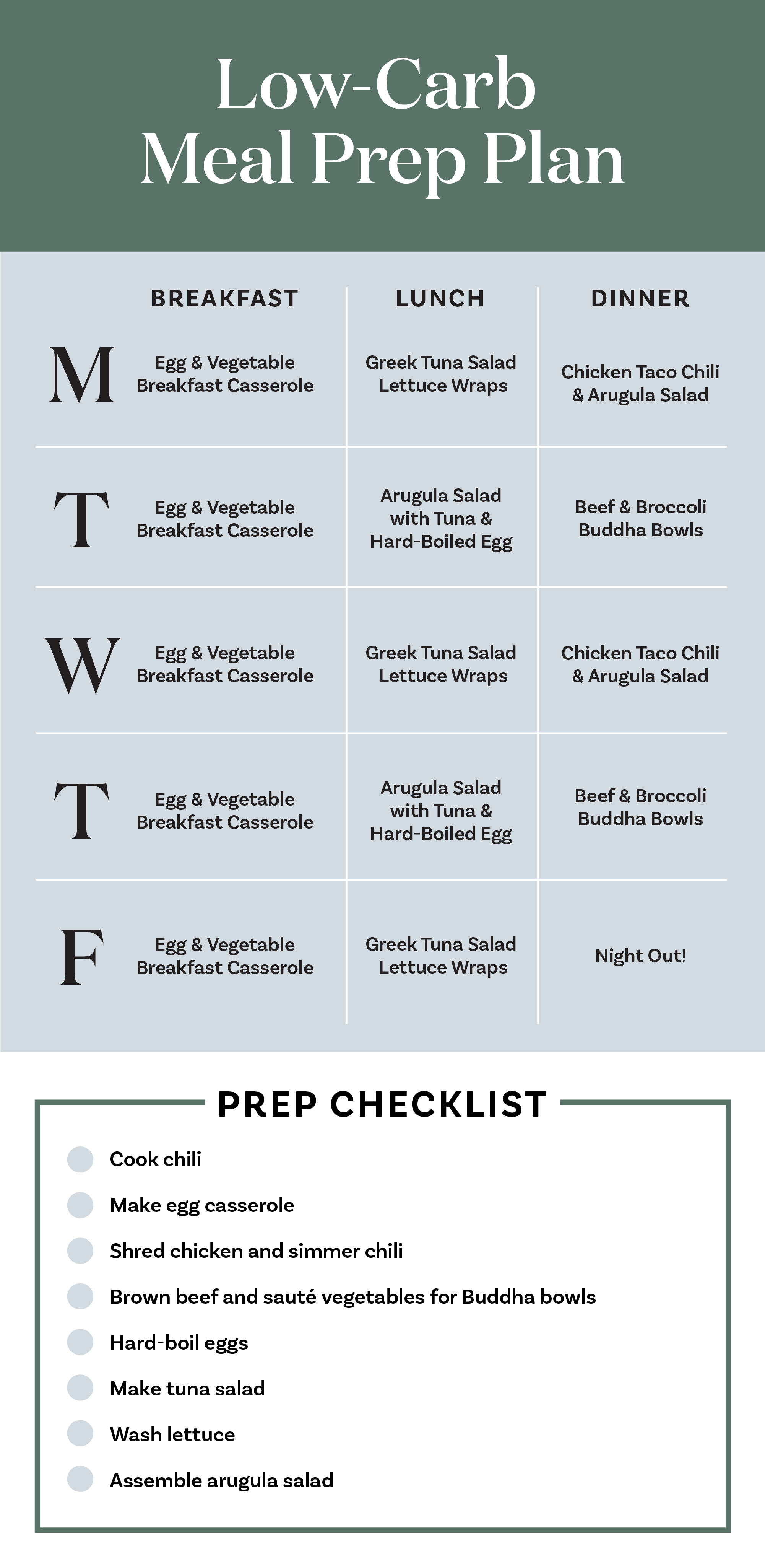
Plan your meals ahead to avoid last-minute decisions. Cook large portions and store them for the week. Use simple recipes with no carb ingredients. Chop vegetables and portion proteins in advance. This saves time and reduces stress. Meal prep helps you eat healthy without effort.
Eating Out Tips
Choose restaurants with low-carb options. Ask for salads, grilled meats, or steamed vegetables. Avoid bread, pasta, and sugary sauces. Request to replace carb sides with extra veggies. Check the menu online before going out. This helps you stay on track with ease.
Credit: medium.com
Potential Side Effects
Starting a no carb diet menu can bring changes to your body. These changes sometimes come with side effects. Knowing what to expect helps you prepare and stay on track. This section covers common side effects, how to handle them, and when to seek help.
What To Expect Initially
Your body needs time to adjust to no carbs. At first, you might feel tired or weak. Headaches are common during the first few days. Some people notice dizziness or trouble concentrating. These symptoms happen because your body uses less sugar for energy. It starts to burn fat instead.
You may also experience changes in digestion. Constipation or diarrhea might occur as your gut adapts. Thirst and frequent urination are normal too. These signs mean your body is losing water weight quickly. Most of these effects fade within one to two weeks.
How To Manage Keto Flu
Keto flu is a group of symptoms linked to carb withdrawal. Feeling tired, headache, and nausea are common signs. Muscle cramps and irritability may happen too. To ease these symptoms, drink plenty of water. Staying hydrated helps your body flush out toxins.
Boost your salt intake by adding a pinch of salt to meals. This can reduce cramps and dizziness. Eat enough fats to keep energy levels steady. Rest often and avoid heavy exercise at the start. These steps help your body adjust faster.
When To Consult A Doctor
Some side effects need medical attention. Severe weakness, chest pain, or confusion are warning signs. If you feel faint or have trouble breathing, seek help immediately. Long-lasting stomach pain or persistent vomiting also require a doctor’s visit.
Talk to a healthcare provider before starting a no carb diet. This is important for people with health conditions or on medication. A doctor can guide you safely through dietary changes. Never ignore serious symptoms or discomfort during the diet.
Adjusting The Diet For Long-term Success
Adjusting a no carb diet is key for long-term success. Sticking to zero carbs forever is hard. The body and mind need balance. Gradually making changes helps keep results. This section guides you on safe carb reintroduction, weight maintenance, and nutrient balance.
Reintroducing Carbs Safely
Start with small amounts of carbs. Choose whole foods like vegetables and fruits. Avoid sugary and processed carbs. Watch how your body reacts. Increase carbs slowly over weeks. This approach prevents weight gain and fatigue.
Maintaining Weight Loss
Keep track of your daily food intake. Eat enough protein and healthy fats. Stay active with regular exercise. Drink plenty of water every day. Avoid high-carb snacks and drinks. Consistency is important to keep weight off.
Balancing Nutrients
Eat a variety of foods for vitamins and minerals. Include lean meats, fish, nuts, and seeds. Add leafy greens and colorful vegetables. Balance fats with sources like olive oil and avocados. Proper nutrients support energy and health.
Credit: www.thekitchn.com
Conclusion
A no carb diet menu helps you eat healthy and stay full. It focuses on foods like meat, eggs, and vegetables. You can enjoy tasty meals without bread or pasta. This way, your body burns fat for energy. Simple changes make a big difference over time.
Try different recipes to find what you like best. Stick with it and watch your health improve. Small steps lead to lasting results. Your body will thank you.