

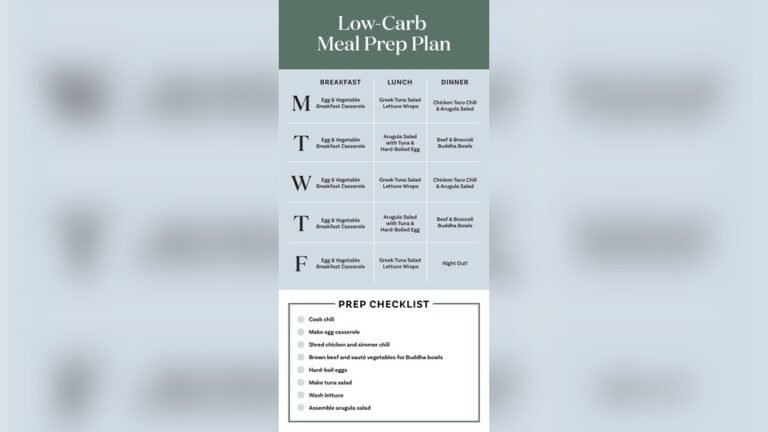
Are you ready to take control of your eating habits and see real results? A no carb diet schedule might be exactly what you need.
By cutting out carbs, you can reduce cravings, boost energy, and shed unwanted pounds faster than you thought possible. But how do you create a plan that fits your life without feeling overwhelming? You’ll discover a simple, easy-to-follow no carb diet schedule that keeps you satisfied and on track.
Keep reading to unlock the key steps that will change the way you eat—and feel—every day.
Basics Of No Carb Diet
The no carb diet focuses on cutting out all carbohydrates from your meals. It mainly includes proteins and fats. This diet helps the body use fat for energy instead of carbs.
Many people try this diet to lose weight or improve health. Understanding the basics helps you follow the plan safely and effectively.
What Is A No Carb Diet
A no carb diet removes all sources of carbohydrates. This means no bread, pasta, rice, or sugary foods. The diet includes meat, fish, eggs, and healthy fats like avocado and olive oil. Vegetables with low carbs, such as spinach and kale, are allowed in small amounts.
Benefits For Fat Loss
The body burns fat for energy when carbs are not available. This process is called ketosis. It can lead to faster fat loss. The diet also reduces hunger by stabilizing blood sugar levels. Many find it easier to eat less and lose weight on this plan.
Common Misconceptions
Some believe no carb diets are unhealthy or cause nutrient shortages. This is not true if done correctly. Eating a variety of protein and fat sources provides essential nutrients. Another myth is that no carb diets cause muscle loss. With enough protein, muscle stays strong.
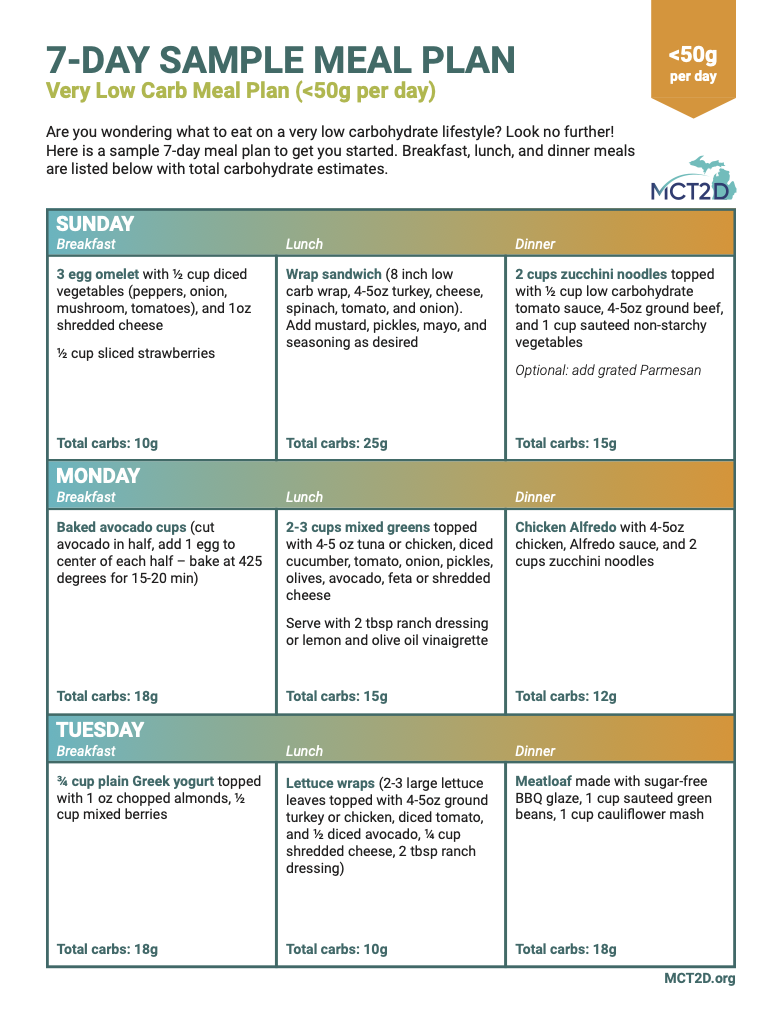
Credit: www.mct2d.org
Planning Your No Carb Diet
Planning your no carb diet is important for success. It helps you know what to eat and what to avoid. A clear plan keeps you on track and makes meal prep easier. You will feel more confident and less confused about your choices.
Start by learning which foods fit your diet. Then, figure out when to eat for the best results. Small steps build good habits and steady progress.
Foods To Include
Choose foods that contain almost zero carbs. Meat, fish, and eggs are great options. They provide protein and keep you full for longer. Healthy fats like butter, olive oil, and coconut oil are important too. Low-carb vegetables such as spinach, kale, and zucchini fit well. These foods offer nutrients without extra carbs.
Foods To Avoid
Stay away from bread, pasta, rice, and cereals. These foods have a lot of carbs. Sugary snacks, candies, and sodas can stop your progress. Most fruits contain sugar, so limit or skip them. Avoid starchy vegetables like potatoes and corn. Reading labels helps spot hidden carbs in packaged foods.
Meal Timing Tips
Eat meals at regular times each day. This helps control hunger and keeps energy steady. Some people find success with two or three meals daily. Avoid late-night eating to improve digestion and sleep. Drink plenty of water throughout the day. Planning meals ahead reduces the chance of poor choices.
Sample No Carb Diet Schedule
A no carb diet schedule helps organize meals without carbohydrates. It guides your food choices to stay on track.
This sample plan shows easy meals for three days. Each day includes protein and healthy fats. Vegetables are low-carb options to add fiber and vitamins.
Following a schedule reduces confusion and keeps meals simple. It supports weight loss and better energy levels.
Day 1 Meal Plan
- Breakfast: Scrambled eggs cooked in butter with spinach
- Lunch: Grilled chicken breast with a side of steamed broccoli
- Dinner: Pan-seared salmon with asparagus roasted in olive oil
- Snacks: Hard-boiled eggs or cheese slices
Day 2 Meal Plan
- Breakfast: Omelet with mushrooms and cheddar cheese
- Lunch: Beef stir-fry with bell peppers and zucchini
- Dinner: Pork chops with cauliflower mash
- Snacks: A handful of almonds or celery sticks with cream cheese
Day 3 Meal Plan
- Breakfast: Boiled eggs with avocado slices
- Lunch: Tuna salad with olive oil and cucumber
- Dinner: Roast chicken with green beans sautéed in garlic
- Snacks: Olives or a few slices of deli turkey
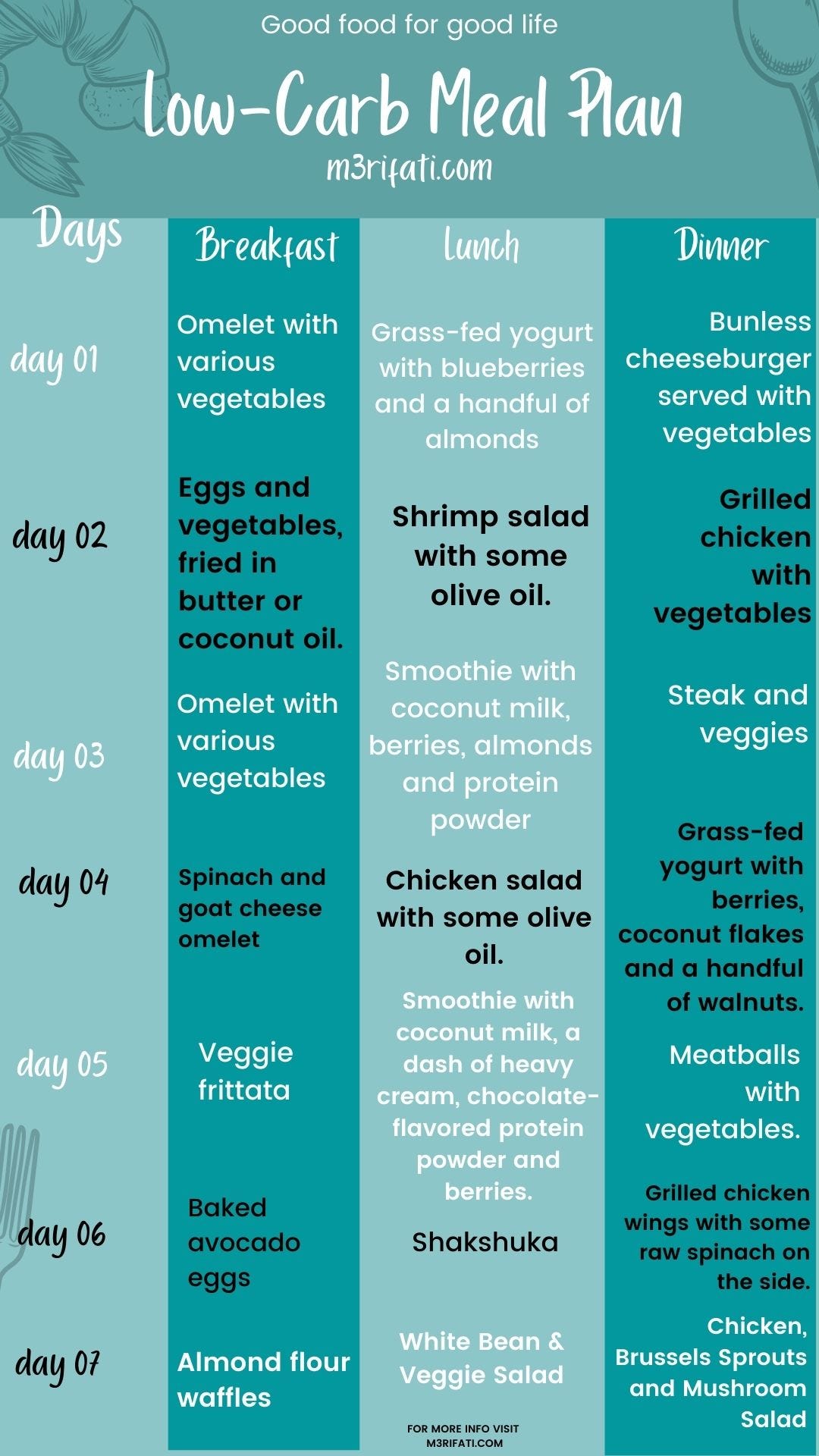
Credit: medium.com
Tips For Staying On Track
Sticking to a no carb diet can be tough. Small challenges might lead to big slips. Simple tips help you stay focused and avoid common pitfalls. These ideas make the diet easier and more natural in daily life.
Managing Cravings
Cravings often come from hunger or habit. Drink water first to see if thirst is the cause. Eat small portions of high-fat foods like nuts or cheese. Keep healthy snacks close to avoid reaching for carbs. Distract yourself with a quick walk or activity. Rest well to reduce cravings caused by tiredness.
Eating Out Strategies
Choose restaurants with low-carb options. Ask for dishes without bread, pasta, or rice. Request extra vegetables or salad instead of starchy sides. Order grilled meat or fish with butter or olive oil. Avoid sauces and dressings that may have hidden sugars. Plan ahead by checking menus online before going out.
Hydration And Supplements
Drink plenty of water to stay hydrated and reduce hunger. Herbal teas and black coffee are good low-carb drinks. Consider supplements like magnesium and potassium to prevent cramps. Electrolytes support energy and help with diet side effects. Always talk to a doctor before starting new supplements.
Potential Challenges
Starting a no carb diet can bring several challenges. These hurdles might make it tough to stick with the plan. Knowing what to expect helps you prepare better. Here are some common issues people face on a no carb diet.
Dealing With Keto Flu
Keto flu happens during the first days of a no carb diet. Symptoms include headache, tiredness, and dizziness. This happens as your body changes from using carbs to fat for energy. Drink plenty of water and rest more. Eating enough salt can also ease symptoms. The keto flu usually lasts about one week.
Social Situations
Social events often involve carb-rich foods like bread and pasta. It can feel hard to say no or find suitable options. Planning ahead helps a lot. Bring your own food or eat before going out. Being clear about your diet to friends can reduce pressure. Social support makes sticking to the diet easier.
Long-term Sustainability
No carb diets can be strict and limit many foods. Some people may miss fruits, grains, and certain vegetables. This can make the diet hard to keep over time. Variety is important to avoid boredom and nutrient gaps. Mixing low-carb foods and trying new recipes helps. Regularly review your diet to ensure it meets your needs.
Tracking Progress
Tracking progress on a no carb diet schedule is important for success. It helps you see changes and stay motivated. Regular tracking shows what works and what needs change. This keeps your diet on the right path.
Measuring Fat Loss
Use a scale to check weight once a week. Also, measure your waist and hips with a tape. Fat loss may not show on the scale fast. Measurements can show fat loss better than weight.
Take pictures every two weeks. Compare these photos to notice body changes. This visual record helps keep you motivated and focused.
Adjusting The Diet
Track your food intake daily. Note how your body feels after meals. If energy drops or hunger grows, adjust meal size or timing. Add healthy fats to feel fuller longer.
Watch for signs of nutrient gaps. Add vegetables or supplements if needed. Small changes can improve results and comfort.
Incorporating Exercise
Add light exercise like walking or stretching. Exercise helps burn fat and build muscle. Muscle growth improves metabolism and body shape.
Try to exercise 3 to 4 times a week. Keep exercises simple and enjoyable. This supports your diet and speeds progress.

Credit: kompanionapp.com
Conclusion
A no carb diet schedule can help control weight and improve health. Plan your meals with protein and healthy fats. Stay consistent and drink plenty of water. Track your progress and adjust as needed. Remember, balance and patience are key to success.
This simple approach supports your goals without confusion. Start small, stay focused, and enjoy the benefits.