


Are you considering a diet that is both no carb and gluten free? It might sound simple, but combining these two restrictions takes some careful planning.
You want to feel energized, avoid gluten-related issues, and keep your carbs low—all at the same time. The good news is, it’s possible to enjoy delicious meals without gluten or carbs that weigh you down. You’ll discover which foods truly fit a no carb gluten free diet, common mistakes to avoid, and practical tips to make this lifestyle work for you.
Ready to unlock a new way of eating that supports your health and fits your needs? Keep reading to learn how to get started and thrive on a no carb gluten free diet.

Credit: raise.theallergychef.com
Gluten-free Vs No-carb Diet
The terms gluten-free and no-carb often confuse many people. Both diets avoid certain foods but for different reasons. A gluten-free diet eliminates gluten, a protein found in wheat, barley, and rye. A no-carb diet focuses on reducing carbohydrate intake to nearly zero. Understanding how they differ helps in choosing the right approach for health goals.
Carb Content In Gluten-free Foods
Gluten-free does not mean low carb. Many gluten-free foods have high carbs. Rice, quinoa, and sweet potatoes are gluten-free but rich in carbohydrates. Gluten-free bread and pasta often use starches that increase carb content. On the other hand, no-carb diets avoid most carbohydrates, including gluten-free grains. Meats, fish, eggs, and non-starchy vegetables fit both diets well. These foods provide protein and nutrients without gluten or carbs.
Common Misconceptions
Many believe gluten-free is the same as low-carb. This is not true. Gluten-free foods can still raise blood sugar levels. No-carb diets focus solely on cutting carbs, not gluten. Some think no-carb means no vegetables, but low-carb veggies are allowed. Another myth is that gluten-free is healthier for everyone. Actually, gluten-free benefits those with celiac disease or gluten sensitivity. Others may need low-carb for weight loss or blood sugar control. Knowing these facts helps avoid diet mistakes.
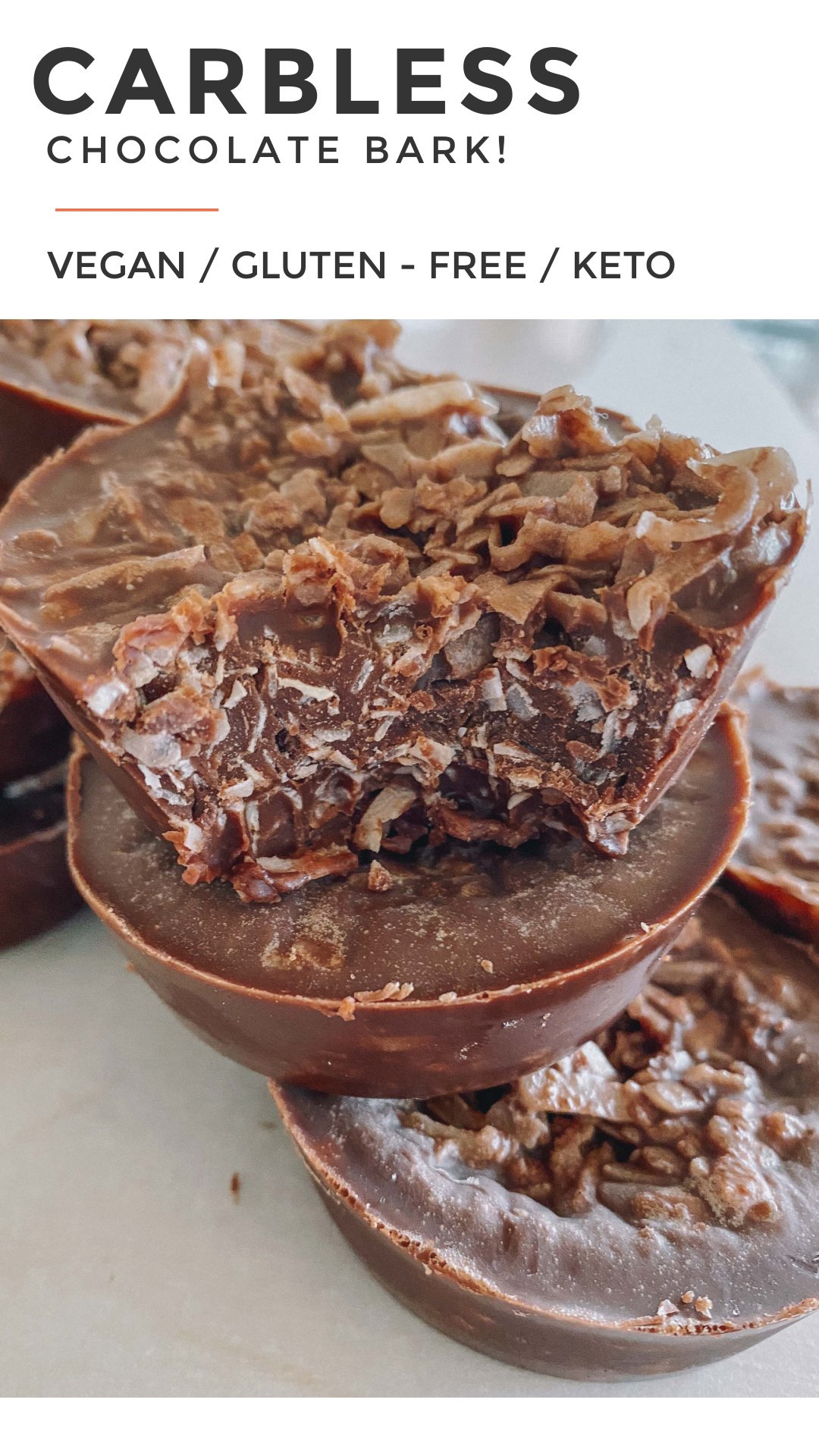
Credit: simplytaralynn.com
Carb-free Gluten-free Foods
Choosing foods that are both carb-free and gluten-free can be simple and nutritious. These foods support a diet that avoids gluten and limits carbohydrates effectively. Focus on whole foods that deliver essential nutrients without hidden carbs or gluten.
Eating the right foods helps maintain energy and supports overall health. Here are key food groups to include in a no carb gluten free diet.
Animal Proteins
Meat, fish, and eggs contain no carbs or gluten. They provide high-quality protein essential for muscle and body repair. Fresh cuts of beef, chicken, turkey, and pork are excellent choices. Seafood like salmon, shrimp, and tuna add healthy omega-3 fats. Avoid processed meats with added fillers or breading to keep carb intake low.
Non-starchy Vegetables
Non-starchy vegetables are low in carbs and free from gluten. Leafy greens such as spinach, kale, and lettuce are nutrient-rich. Broccoli, cauliflower, cucumbers, and bell peppers add fiber and vitamins. These vegetables support digestion and add volume to meals without extra carbs.
Healthy Fats
Healthy fats provide energy and promote heart health. Choose oils like olive oil, avocado oil, and coconut oil. Nuts and seeds, such as almonds, walnuts, chia, and flaxseeds, are also good options. Butter and ghee are carb-free fats that enhance flavor and nutrition. These fats keep you full and support brain function.
Low-sugar Fruits
Fruits low in sugar fit well in a no carb gluten free diet. Berries like strawberries, blueberries, and raspberries are low in carbs and rich in antioxidants. Avocados are a unique fruit high in healthy fats and fiber. These fruits add variety and natural sweetness without raising blood sugar.
Low-carb Gluten-free Options
Choosing foods that are both low in carbohydrates and gluten-free can feel challenging. Many gluten-free products still contain a high amount of carbs. Focusing on whole, natural foods helps to maintain this balance. Selecting proteins, vegetables, fruits, fats, and dairy carefully supports a no-carb gluten-free lifestyle.
Proteins
Meat, fish, and eggs are excellent low-carb gluten-free proteins. Chicken, beef, and turkey offer essential nutrients without carbs. Seafood like salmon and shrimp provide healthy fats and protein. Avoid processed meats that may contain gluten or added sugars.
Vegetables
Non-starchy vegetables keep carb intake low and add fiber. Broccoli, spinach, cucumbers, and bell peppers fit well. Cauliflower is a great substitute for higher-carb foods. Mushrooms add flavor and nutrients without adding carbs.
Fruits
Most fruits have natural sugars, but some are low-carb and gluten-free. Berries like strawberries and blueberries are good choices. Avocados are rich in healthy fats and low in carbs. Small portions of peaches or apples can work, but monitor intake.
Fats
Healthy fats are vital in a low-carb gluten-free diet. Olive oil and avocado oil are great for cooking. Nuts and seeds provide fats and protein with minimal carbs. Butter and coconut oil add flavor and help with satiety.
Dairy
Choose unsweetened dairy products to avoid hidden carbs. Plain yogurt, cheese, and milk can fit into this diet. Watch for added sugars in flavored or processed dairy items. Full-fat options often have fewer carbs and keep you fuller longer.

Credit: www.amazon.com
Higher-carb Gluten-free Choices
Higher-carb gluten-free choices offer variety and energy for those avoiding gluten. These foods provide essential nutrients and help maintain a balanced diet. Understanding these options helps in planning meals that fit both gluten-free and moderate carbohydrate needs.
Grains
Grains like rice, quinoa, millet, and corn are naturally gluten-free. They serve as excellent sources of carbohydrates and fiber. These grains support energy levels and add texture to meals. Quinoa also provides protein, making it a nutrient-rich choice.
Legumes
Legumes include beans, lentils, and chickpeas. They are gluten-free and high in carbohydrates and protein. These foods help keep you full and supply important vitamins and minerals. Legumes also support digestive health with their fiber content.
Starchy Vegetables
Starchy vegetables such as potatoes and squash are gluten-free and rich in carbs. They add variety and flavor to meals. These vegetables provide vitamins like A and C, plus potassium. Including them boosts energy and nutrient intake.
Potential Benefits Of No-carb Gluten-free Diet
The no-carb gluten-free diet offers several health benefits. It focuses on eliminating gluten and carbohydrates, which may improve overall wellness. Many people find positive changes in their body and energy levels by following this diet.
This section explores key benefits such as weight management, blood sugar control, and reduced inflammation. Understanding these can help you decide if this eating plan suits your needs.
Weight Management
Cutting carbs and gluten can help reduce calorie intake naturally. This diet encourages eating proteins and healthy fats, which keep you full longer. Many find it easier to lose or maintain weight without constant hunger.
Blood Sugar Control
Removing carbs limits blood sugar spikes and crashes. This helps stabilize energy and mood throughout the day. People with insulin resistance or diabetes may see better blood sugar levels.
Reduced Inflammation
Gluten can trigger inflammation in some people. Avoiding gluten and carbs may lower inflammation markers in the body. Reduced inflammation supports joint health and may ease digestive discomfort.
Possible Downsides And Risks
Adopting a no carb gluten free diet may seem ideal for some. Still, it carries certain risks and downsides. Understanding these can help you make safer food choices and maintain health.
Low Energy Levels
Carbohydrates are the body’s main energy source. Cutting carbs drastically may cause fatigue and weakness. You might feel tired during daily activities or workouts. Low energy can reduce motivation and focus. It is important to monitor your energy closely.
Nutrient Deficiencies
No carb gluten free diets often exclude many fruits, grains, and legumes. These foods provide essential vitamins and minerals. Missing them can lead to deficiencies in fiber, B vitamins, and iron. Nutrient shortages may cause health problems over time. Consider supplements or careful food choices to avoid this.
Impact On Gut Health
Fiber plays a key role in good digestion and gut health. No carb diets usually lack enough fiber. This can cause constipation and discomfort. A poor gut environment may affect immune function and mood. Including low carb vegetables and seeds can help support gut health.
Medical Perspectives
The medical view on a No Carb Gluten Free Diet helps understand its health effects. Doctors study how cutting carbs and gluten affects the body. This insight guides people to make safer diet choices.
Medical experts watch for nutrient balance and potential risks. They emphasize the importance of a well-planned diet to avoid deficiencies. The diet’s impact varies based on individual health conditions.
Doctors’ Concerns
Many doctors worry about the strict limits on food groups. Removing carbs and gluten may lower fiber and vitamin intake. This can cause digestive issues and fatigue. Healthcare providers stress monitoring nutrient levels closely.
Some worry about unsustainable eating habits and social challenges. Sudden diet changes might lead to nutrient imbalances. Doctors recommend gradual adjustments with professional support. They also caution against relying on processed gluten-free foods.
Suitability For Celiac And Non-celiac Individuals
People with celiac disease must avoid gluten to prevent damage. A no carb gluten free diet meets these needs but needs careful planning. Non-celiac individuals may not need such strict restrictions.
For non-celiac people, cutting carbs and gluten can be harder to maintain. Medical experts advise evaluating personal health goals and conditions. Each person should consult a healthcare provider before starting. Proper guidance ensures safety and effectiveness.
Meal Planning Tips
Planning meals for a no carb gluten free diet requires care and creativity. Proper meal planning helps maintain energy and supports health. It ensures meals are balanced, tasty, and meet dietary needs.
Focus on choosing foods that are both low in carbohydrates and free from gluten. This approach helps avoid common pitfalls like hidden carbs or gluten contamination. Use simple, fresh ingredients to keep meals enjoyable and nutritious.
Balancing Macronutrients
Include protein, healthy fats, and fiber in every meal. Protein helps build and repair tissues. Healthy fats provide long-lasting energy and support brain health. Fiber aids digestion and keeps you full longer. Combine eggs, fish, or lean meat with vegetables and a source of fat like olive oil or avocado.
Incorporating Variety
Change your food choices to prevent boredom and nutrient gaps. Use different vegetables like spinach, broccoli, and bell peppers. Rotate protein sources such as chicken, salmon, and tofu. Add nuts and seeds for crunch and healthy fats. Try herbs and spices to enhance flavor without carbs or gluten.
Sample Meal Ideas
Start your day with scrambled eggs cooked in butter and served with avocado slices. For lunch, enjoy grilled chicken salad with mixed greens and olive oil dressing. Dinner can be baked salmon with steamed broccoli and a handful of walnuts. Snack on cucumber sticks with hummus or a small portion of berries.
Shopping And Cooking Strategies
Shopping and cooking for a no carb gluten free diet require clear strategies. Choosing the right ingredients and using proper techniques help keep meals safe and tasty. Planning ahead saves time and reduces stress in the kitchen. Simple steps make this diet easier and more enjoyable.
Reading Labels
Check every label carefully. Look for “gluten-free” certification to avoid hidden gluten. Avoid ingredients like wheat, barley, and rye. Watch for starches that add carbs, such as corn or potato starch. Choose products with zero or very low net carbs. Short ingredient lists are better. Avoid added sugars and fillers. Always compare brands for best options.
Gluten-free Low-carb Ingredients
Focus on natural, whole foods. Meat, fish, and eggs are perfect choices. Non-starchy vegetables like spinach, broccoli, and zucchini are great. Use healthy fats like olive oil, avocado oil, and nuts. Select low-sugar fruits such as berries and avocados. Avoid grains, legumes, and starchy vegetables to keep carbs low. Choose unsweetened dairy like cheese and plain yogurt carefully.
Cooking Techniques
Cook fresh foods simply to keep nutrients and flavor. Use steaming, grilling, or baking instead of frying. Avoid breading or battering that adds carbs. Spice meals with herbs and gluten-free seasonings. Prepare sauces with low-carb ingredients like cream or cheese. Batch cook meals to save time and avoid last-minute carb choices. Store meals properly to keep them fresh longer.
Maintaining Long-term Health
Maintaining long-term health on a no carb gluten free diet requires careful planning and regular attention. This diet limits both carbohydrates and gluten, which can reduce food variety. Nutritional balance is essential to avoid deficiencies and support overall well-being. Staying healthy means monitoring your intake, making diet adjustments, and seeking expert advice.
Monitoring Nutritional Intake
Track your daily nutrients to ensure you get enough vitamins and minerals. Focus on foods rich in protein, healthy fats, and fiber. Include leafy greens, nuts, seeds, and low-sugar fruits. Avoid processed foods that may lack nutrients. Use apps or journals to record your meals and check for gaps.
Adjusting The Diet As Needed
Listen to your body and note any changes in energy or mood. Modify your food choices to address any issues like fatigue or digestive discomfort. Add variety by rotating different allowed foods to prevent boredom. Increase or decrease fats and proteins based on your activity level. Small changes can improve how you feel long-term.
Consulting Healthcare Professionals
Regularly visit a doctor or dietitian to review your diet’s impact on health. Get blood tests to detect any nutrient shortages early. Professionals can guide safe diet changes and suggest supplements if needed. They help tailor the diet to your unique health needs. Expert support improves diet safety and success over time.
Conclusion
A no carb gluten free diet focuses on foods without gluten or carbs. Choose lean meats, fish, eggs, and non-starchy vegetables. Healthy fats like nuts and oils support your energy. Avoid grains and starchy vegetables that add carbs. This diet helps manage gluten sensitivity and reduce carb intake.
It takes planning but can improve your health and digestion. Stay consistent and listen to your body’s needs. Small changes lead to lasting results and better well-being.