

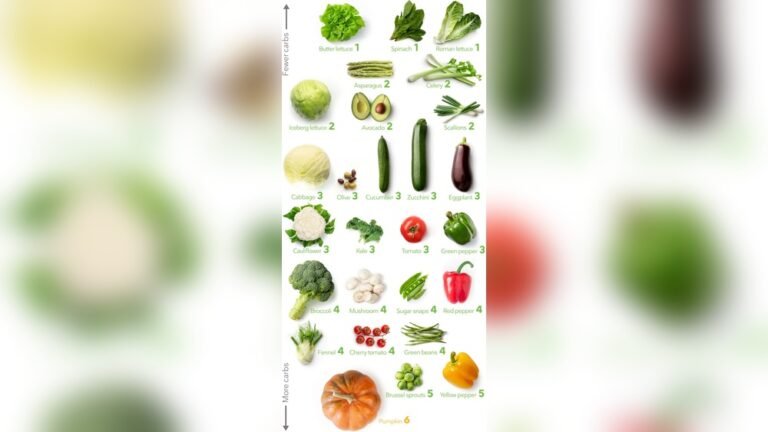
Are you looking to cut carbs without giving up fresh, crunchy veggies? You’re in the right place.
No carb vegetables can be your secret weapon for staying healthy, feeling full, and keeping your energy steady. Imagine enjoying tasty greens and crunchy snacks that won’t spike your blood sugar or ruin your diet. Sounds good, right? Keep reading to discover which vegetables fit perfectly into your low-carb lifestyle and how they can boost your health every day.
Credit: hip2keto.com
Benefits Of No Carb Vegetables
No carb vegetables offer many health benefits. They help improve your body’s functions without adding extra calories. These vegetables are rich in vitamins, minerals, and fiber. Eating them supports a healthy lifestyle and boosts overall wellness.
Including no carb vegetables in your meals can lead to better health results. They assist in weight management, keep blood sugar levels steady, and promote good digestion. Let’s explore these key benefits in detail.
Impact On Weight Loss
No carb vegetables have very few calories. You can eat plenty without gaining weight. Their fiber content keeps you full longer. This reduces the urge to snack between meals. They help create a calorie deficit needed for weight loss.
Blood Sugar Control
No carb vegetables do not raise blood sugar levels. They have a minimal effect on insulin. This helps maintain steady energy and reduces sugar crashes. People with diabetes can benefit from including these vegetables in their diet. They support better blood sugar management.
Digestive Health
These vegetables are high in fiber. Fiber improves bowel movements and prevents constipation. It also feeds good gut bacteria, which is important for digestion. Eating no carb vegetables promotes a healthy and balanced digestive system.
Top Zero-carb Vegetables
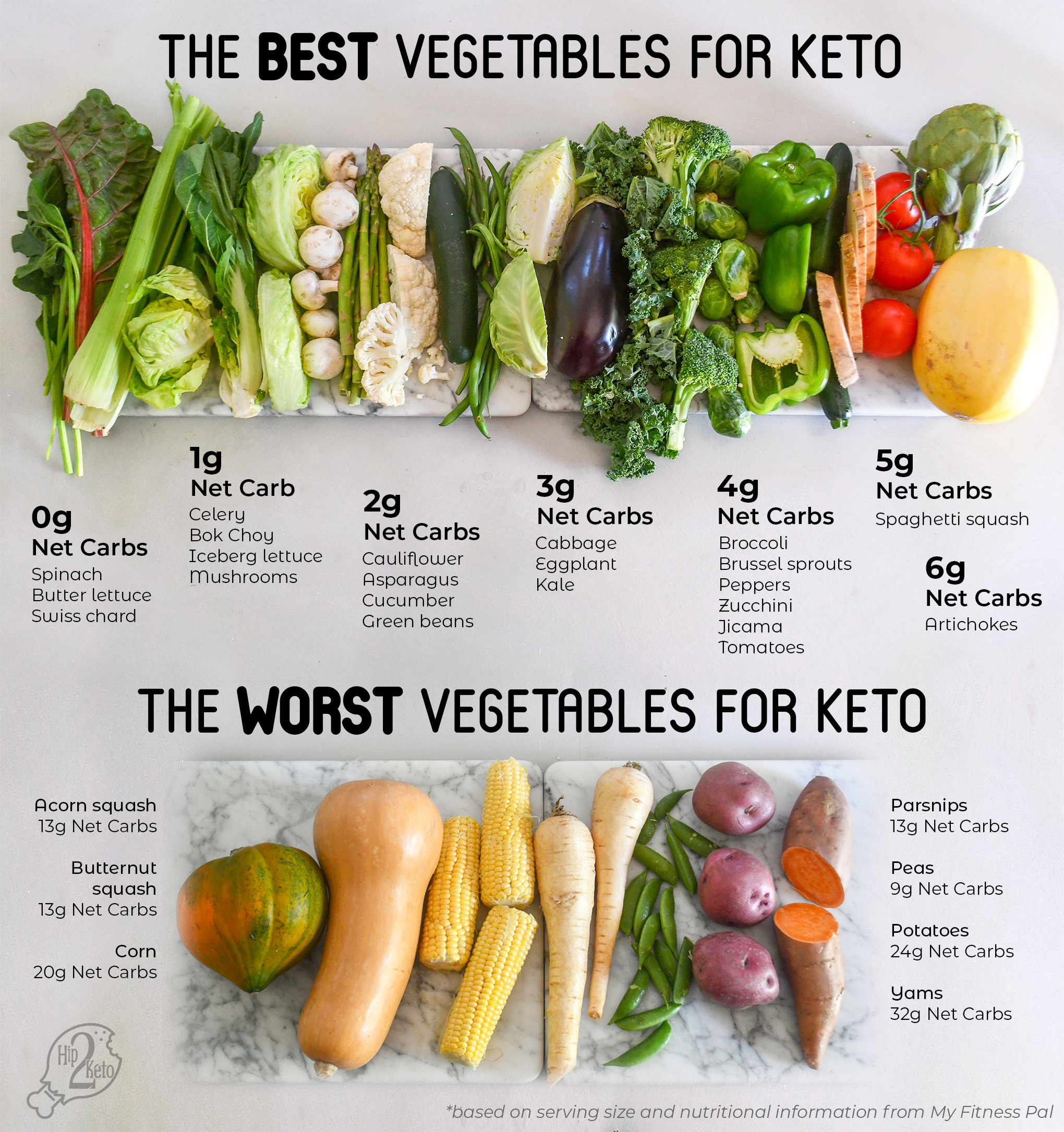
Zero-carb vegetables are perfect for low-carb and keto diets. They provide nutrients without adding carbs. These veggies help you stay full and healthy.
Leafy Greens
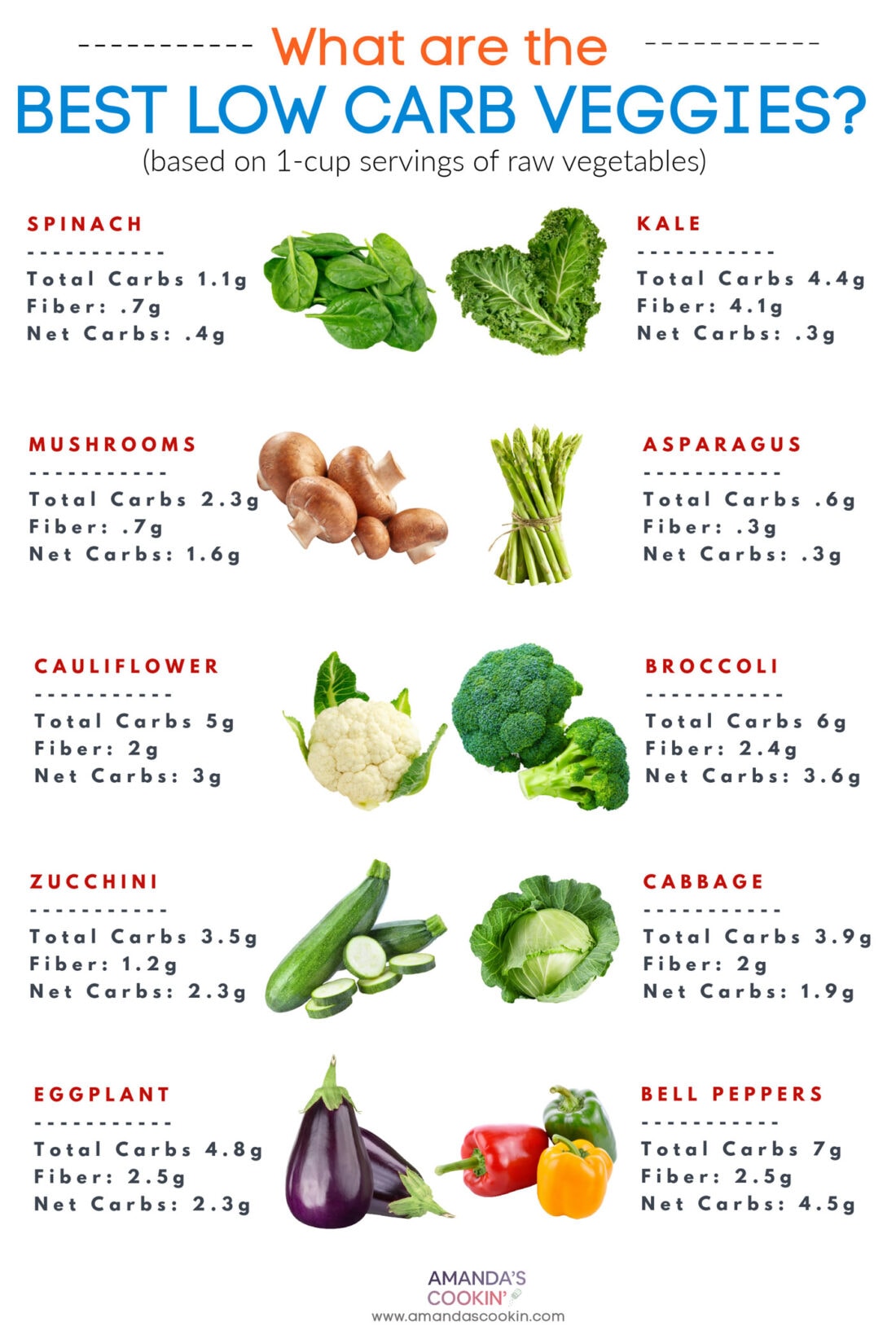
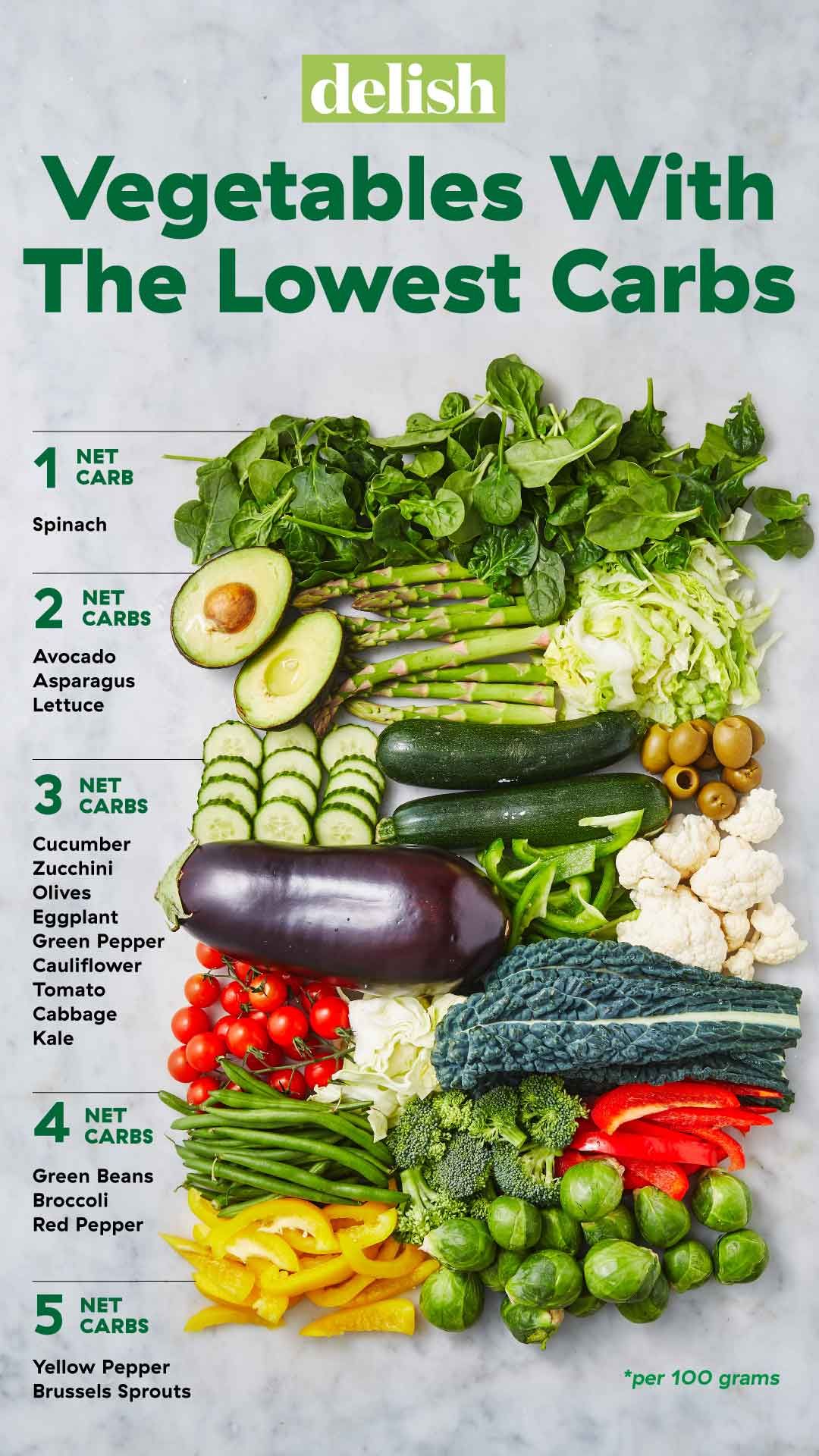
Leafy greens like spinach, kale, and lettuce have almost no carbs. They are rich in vitamins A, C, and K. These greens also have fiber, which helps digestion. You can eat them raw or cooked in meals.
Cruciferous Veggies
Cruciferous vegetables include broccoli, cauliflower, and cabbage. They contain very few carbs and many antioxidants. These veggies support the immune system and reduce inflammation. They are great for roasting, steaming, or adding to salads.
Herbs And Spices
Fresh herbs such as parsley, basil, and cilantro have zero carbs. They add flavor without calories or sugar. Spices like turmeric and ginger also have minimal carbs. Use them to enhance the taste of your dishes naturally.
Incorporating No Carb Veggies Into Meals
No carb vegetables make meals fresh and light. They add crunch and flavor without extra carbs. These veggies fit well in many dishes. You can enjoy them raw or cooked. They help keep your diet low in carbohydrates. Including no carb veggies boosts nutrition and taste.
Use these vegetables often. They blend well with other foods. Try different ways to eat them. They keep meals exciting and healthy. Here are some ideas to start with.
Salads And Wraps
Leafy greens like lettuce and spinach work great in salads. Add cucumbers, celery, and radishes for crunch. Use no carb veggies as wraps instead of bread. Fill them with meats, cheese, and sauces. These wraps are light and easy to make. They help you avoid carbs and stay full.
Soups And Stews
Include no carb vegetables in soups for flavor and texture. Zucchini, mushrooms, and green beans are good choices. They cook quickly and absorb spices well. These veggies add bulk without extra carbs. Soups with no carb veggies feel hearty and satisfying.
Snacks And Sides
Crunchy no carb veggies make perfect snacks. Try celery sticks or cucumber slices with dip. Use raw peppers or cherry tomatoes on the side. Roasted or steamed no carb veggies fit well with meals. They add color, vitamins, and fiber without carbs.
Credit: amandascookin.com
Common Myths About No Carb Vegetables
No carb vegetables often confuse many people. Myths and wrong ideas spread fast. Understanding the truth helps make better food choices. Clearing up these myths shows why these vegetables are good for health.
Nutritional Value Misconceptions
Some think no carb vegetables have little nutrition. They believe these veggies lack vitamins and minerals. This is not true. Many no carb vegetables are rich in fiber, vitamins, and antioxidants. They support digestion and boost immunity. Eating them helps maintain a balanced diet. They also keep blood sugar steady. Nutritional benefits are real and important.
Taste And Variety Concerns
People say no carb vegetables taste bland. They think these veggies are boring to eat. This is a common mistake. No carb vegetables come in many types and flavors. From crunchy celery to leafy spinach, choices are wide. Cooking methods add different tastes and textures. Roasting, steaming, or grilling bring out natural flavors. Variety and taste are not a problem at all.
Shopping And Storage Tips
Shopping for no carb vegetables and storing them correctly helps keep them fresh longer. Freshness preserves taste and nutrition. Proper storage reduces waste and saves money.
Follow simple tips to pick the best vegetables and store them safely at home.
Choosing Fresh Produce
Pick vegetables that are firm and brightly colored. Avoid soft spots or wrinkles. Leaves should look crisp, not wilted. Smell the produce to check freshness. A fresh scent means good quality. Choose local vegetables when possible. They tend to be fresher and tastier. Buy small amounts often to keep produce fresh.
Proper Storage Methods
Store vegetables in the fridge drawer for best results. Use perforated plastic bags to keep air flowing. Keep leafy greens wrapped in a damp paper towel. This prevents wilting. Root vegetables last longer in a cool, dark place. Avoid washing vegetables before storing. Moisture speeds up spoilage. Wash them right before use instead.
No Carb Vegetables For Specific Diets
No carb vegetables fit well in many diet plans. They offer nutrients without adding sugars or starch. These vegetables help maintain energy and balance blood sugar. They are perfect for diets that limit carbohydrates. Below are options for popular diet plans.
Keto And Low-carb Plans
Keto and low-carb diets focus on reducing carb intake. No carb vegetables like spinach, kale, and lettuce are ideal. They provide fiber and vitamins without raising carbs. These veggies support ketosis by keeping carb count low. Use them in salads, smoothies, or as side dishes.
Diabetic-friendly Choices
Diabetics need to control blood sugar carefully. No carb vegetables help avoid sugar spikes. Cucumbers, celery, and zucchini are good examples. They contain water and fiber but no digestible carbs. These choices improve blood sugar control and add volume to meals.
Paleo And Whole30 Options
Paleo and Whole30 diets focus on whole, natural foods. No carb vegetables fit perfectly as they are unprocessed and fresh. Examples include mushrooms, asparagus, and bell peppers. They provide minerals and antioxidants without carbs. These vegetables add variety and nutrition to strict eating plans.
Credit: www.fammed.wisc.edu
Conclusion
No carb vegetables fit well in many diets. They help keep blood sugar steady. These veggies add vitamins and fiber to meals. Eating them supports weight control and good health. Choose from options like spinach, cucumbers, and lettuce. They are easy to prepare and taste great.
Adding no carb vegetables can improve your diet. Simple, healthy, and fresh choices make a difference. Try them today and enjoy light, nutritious meals.