

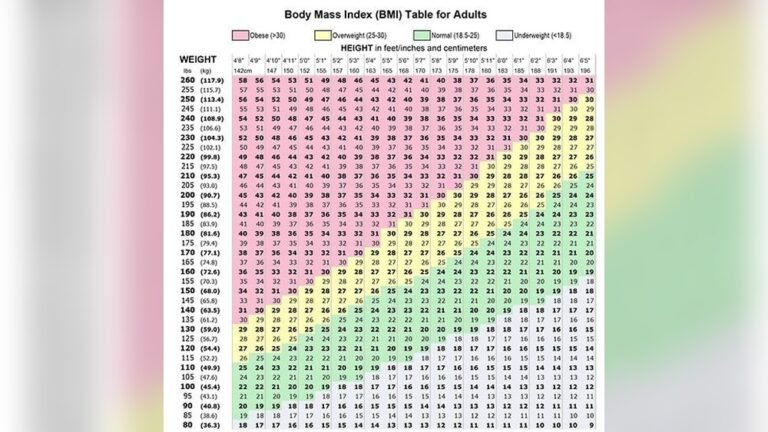
Are you curious about what a normal BMI means for men and how it affects your health? Understanding your Body Mass Index (BMI) is a simple yet powerful way to gauge if you’re in a healthy weight range.
But here’s the thing: it’s not just about a number on a chart. Your ideal BMI can influence your energy levels, confidence, and long-term well-being. You’ll discover what counts as a normal BMI for men, why it matters, and how factors like age and muscle mass can change the picture.
Keep reading to find out how knowing your BMI can help you take control of your health starting today.
Bmi Basics For Men
Understanding BMI is important for men who want to maintain a healthy weight. BMI, or Body Mass Index, helps estimate body fat based on height and weight. It offers a simple way to check if weight falls in a healthy range.
This section explains the basics of BMI for men. Learn what BMI measures, how to calculate it, and what the different categories mean. This knowledge supports better health decisions.
What Bmi Measures
BMI measures the relationship between weight and height. It estimates body fat but does not directly measure fat. This helps identify if weight is too low, healthy, or too high. It is a quick screening tool used by doctors and health experts.
How To Calculate Bmi
To calculate BMI, divide weight in kilograms by height in meters squared. The formula is simple: BMI = weight (kg) / height (m)². For pounds and inches, multiply weight by 703, then divide by height squared. This calculation gives a number used to find your BMI category.
Bmi Categories Explained
BMI falls into several categories. Below 18.5 is underweight, 18.5 to 24.9 is normal weight, 25 to 29.9 is overweight, and 30 or above is obese. Each category shows a different health risk level. Normal BMI means weight supports good health. Categories guide men to understand if they need to adjust their weight.
Healthy Bmi Ranges By Age
Understanding healthy BMI ranges by age helps men maintain proper weight and good health. BMI, or Body Mass Index, measures body fat based on height and weight. These ranges vary slightly depending on age groups. Age affects muscle mass and metabolism, which influence BMI values.
Bmi For Young Adults
Young adult men typically have a healthy BMI range between 18.5 and 24.9. This range supports normal growth and physical activity levels. Maintaining a BMI in this range reduces risks of chronic diseases. It also promotes energy and fitness during active years.
Bmi For Middle-aged Men
For men aged 40 to 59, a healthy BMI range is usually 23 to 27. This reflects natural changes in metabolism and muscle mass. Middle-aged men may gain weight more easily, so monitoring BMI is important. Staying within this range helps protect against heart disease and diabetes.
Bmi For Older Adults
Older men, age 60 and above, often have a healthy BMI range from 24 to 29. Higher BMI can offer some protection against bone loss and frailty. However, very high BMI increases risks of health problems. Regular check-ups help adjust weight goals as body changes with age.
Factors Affecting Bmi Accuracy
BMI is a simple tool to estimate body fat based on height and weight.
It does not measure body composition or fat distribution directly.
Several factors can affect how accurate BMI is for men.
Muscle Mass And Bone Density
Muscle weighs more than fat, which can raise BMI.
Men with high muscle mass may have a high BMI but low fat.
Bone density also adds to weight without increasing fat.
These factors can make BMI misleading for athletes or very fit men.
Body Frame Size
Men with larger bone frames weigh more naturally.
BMI does not adjust for differences in bone size.
This can cause men with bigger frames to have a higher BMI.
Body frame size is important for interpreting BMI results correctly.
Age And Metabolism Changes
Metabolism slows down as men get older.
Older men tend to lose muscle and gain fat without weight change.
BMI may not reflect these body composition shifts well.
Age must be considered to understand BMI and health risks better.

Credit: www.health.harvard.edu
Using Bmi As A Health Tool
Body Mass Index (BMI) serves as a quick way to estimate healthy weight ranges for men. It uses a simple formula based on height and weight. This tool helps identify potential weight problems that may affect health. Men can use BMI to track changes over time and set weight goals. Despite its ease, BMI has limits that users should understand.
Bmi Limitations
BMI does not measure body fat directly. It cannot distinguish between muscle and fat mass. A muscular man may have a high BMI but low body fat. Bone density and body frame size also affect BMI results. BMI alone cannot diagnose health conditions. It provides a general guideline, not a full health assessment.
Complementary Health Assessments
Other measures enhance the understanding of health beyond BMI. Waist circumference helps assess abdominal fat. Body fat percentage offers a clearer picture of fat levels. Blood pressure, cholesterol, and blood sugar tests reveal metabolic health. Combining these tests gives a more accurate health overview. Men should use BMI with these tools for better insight.
When To Consult A Healthcare Provider
Seek medical advice if BMI shows overweight or underweight status. A healthcare provider can evaluate overall health and risks. They consider age, lifestyle, and family history. Personalized plans help manage weight and improve health safely. Regular check-ups help track progress and adjust goals. Professional guidance ensures the best approach to weight management.
Bmi And Weight Management
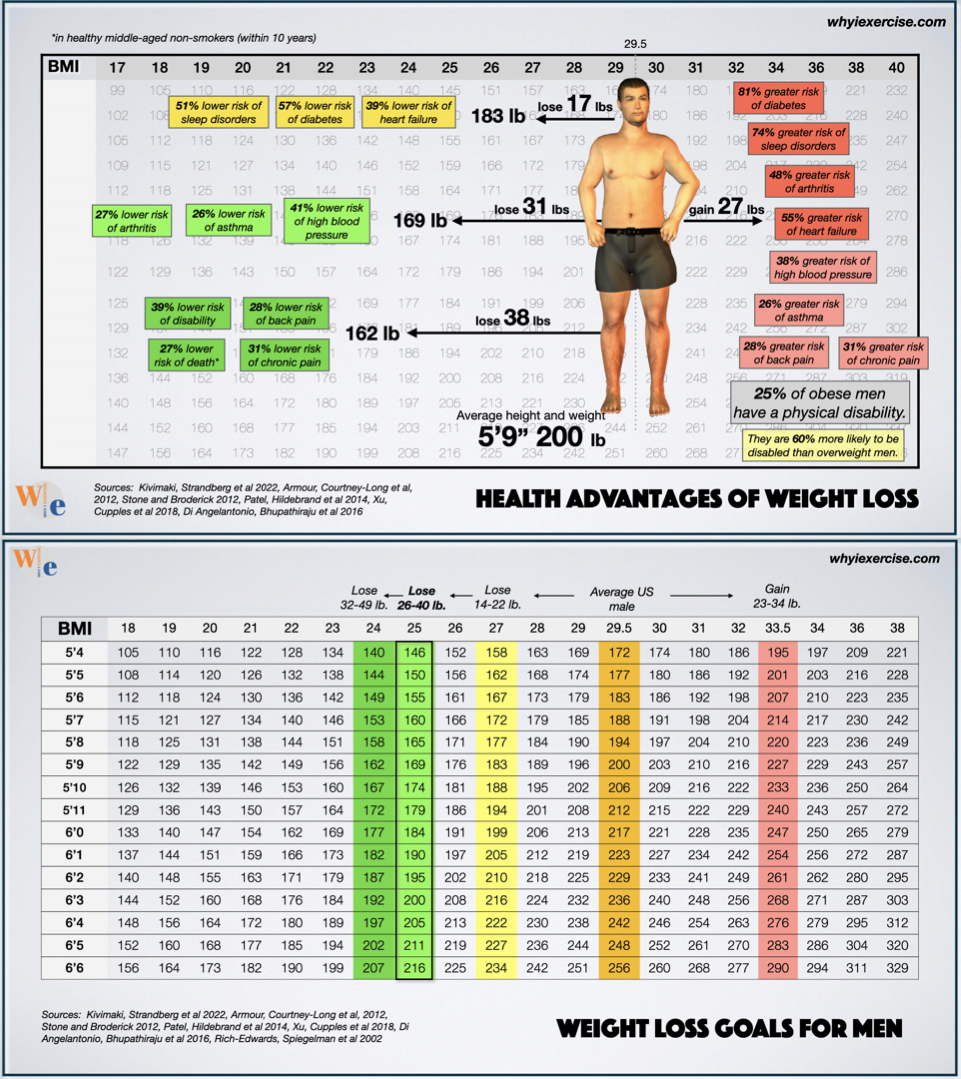
Body Mass Index (BMI) is a helpful tool for managing weight in men. It gives a quick estimate of whether a man’s weight is in a healthy range. Understanding BMI helps set clear and achievable weight goals. It also guides the choice of safe weight loss methods and healthy lifestyle habits.
Setting Realistic Weight Goals
Start by knowing your current BMI and what is considered normal for your age. Set goals that are achievable and healthy over time. Avoid aiming for rapid weight loss or extreme changes. Small, steady improvements lead to lasting results and better health.
Healthy Weight Loss Strategies
Focus on losing weight gradually, about one to two pounds per week. Combine a balanced diet with regular physical activity. Avoid fad diets or excessive calorie cutting. Stay hydrated and get enough sleep. These steps support safe and effective weight loss.
Maintaining A Balanced Diet And Exercise
Eat a variety of foods, including vegetables, fruits, lean proteins, and whole grains. Limit sugary and processed foods. Exercise regularly with a mix of cardio and strength training. This helps keep muscle mass and supports a healthy metabolism. Consistency in diet and exercise is key for long-term weight control.
Credit: www.whyiexercise.com
Bmi And Related Health Risks
BMI, or Body Mass Index, is a simple tool to assess body weight relative to height. For men, BMI helps identify health risks linked to weight. It provides a quick snapshot but does not tell the whole story. Understanding BMI and its related health risks is important for maintaining good health.
Overweight And Obesity Concerns
Men with a BMI over 25 fall into the overweight category. A BMI over 30 indicates obesity. Both conditions raise the chance of serious health problems. These include type 2 diabetes, high blood pressure, and certain cancers. Carrying extra weight strains the body and organs. Reducing weight lowers these health risks.
Underweight Risks
Men with a BMI below 18.5 are considered underweight. This may signal poor nutrition or health issues. Being underweight can weaken the immune system. It also increases the risk of osteoporosis and fractures. Muscle loss and fatigue are common problems. Proper diet and medical advice can help restore healthy weight.
Impact On Heart And Metabolic Health
BMI affects heart health and metabolism directly. A high BMI often links to high cholesterol and blood sugar. This raises the risk of heart attacks and strokes. Metabolic syndrome, a group of risk factors, is common with high BMI. Maintaining a normal BMI supports a healthy heart and metabolism. It improves energy and reduces disease risk.
Tools And Resources
Understanding your Body Mass Index (BMI) is easier with the right tools and resources. These help track and assess your weight in relation to your height. Using reliable tools ensures you get accurate results and clear guidance.
Reliable Bmi Calculators
Online BMI calculators provide quick and accurate results. Enter your height and weight to get your BMI instantly. Many calculators also give advice based on your BMI score. Choose calculators from trusted health websites for best accuracy.
Bmi Charts By Height And Age
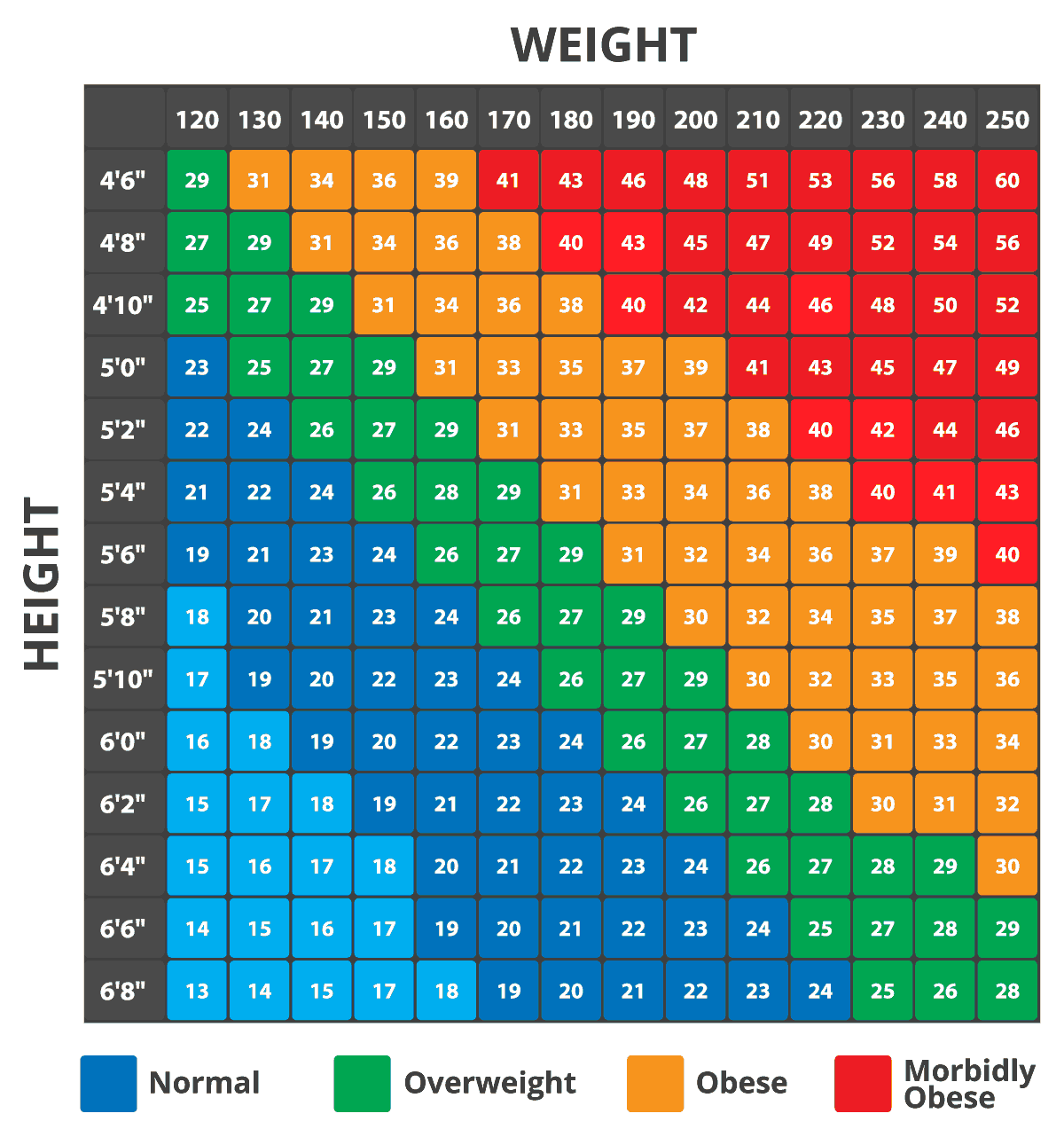
BMI charts show healthy weight ranges for different heights and ages. These charts help you understand where you stand compared to others your age. They also highlight how BMI changes as men get older. Use these charts to track your progress over time.
Professional Support Options
Consulting a healthcare professional offers personalized advice. Doctors and dietitians consider your BMI along with other health factors. They can help create a plan tailored to your needs. Professional support is key for safe and effective weight management.
Credit: austingynecomastiacenter.com
Conclusion
Maintaining a normal BMI helps support overall health and well-being. Men should use BMI as a general guide, not the only health measure. Factors like muscle and age affect BMI results. Regular check-ups with a healthcare provider give clearer health insights.
Focus on balanced eating, regular exercise, and healthy habits. Understanding your BMI helps make better lifestyle choices. Small changes lead to long-term health benefits. Keep tracking your progress and stay motivated. A healthy BMI is part of a healthy life.