

Are you aware that carrying extra weight can do more than just affect how you look? It can put a serious strain on your heart, increasing your risk of heart failure.
If you think obesity and heart failure are unrelated, think again. Your heart has to work harder when you’re overweight, and over time, this can lead to dangerous health problems. But here’s the good news: understanding this connection is your first step toward protecting your heart and improving your quality of life.
Keep reading to discover how obesity impacts heart failure, what signs to watch for, and what you can do right now to take control of your heart health. Your heart deserves it.
Link Between Obesity And Heart Failure
Obesity and heart failure are closely linked health issues. Excess body weight puts extra pressure on the heart. This pressure can lead to heart failure over time. Understanding how obesity affects heart function helps in managing risks and treatment.
How Obesity Strains The Heart
Carrying extra fat forces the heart to work harder. It needs to pump more blood to supply the larger body mass. This constant overload can weaken the heart muscle. The heart may enlarge and lose efficiency. Over time, this strain increases the risk of heart failure.
Impact On Blood Volume And Cardiac Output
Obesity raises the total blood volume in the body. More blood means the heart must pump more with each beat. This increased cardiac output is a way to meet the body’s demand. Yet, this added workload can tire the heart. The heart’s ability to pump effectively may decline over time.
Systemic Vascular Resistance Changes
Obesity often lowers systemic vascular resistance. Blood vessels widen to accommodate extra blood flow. This adaptation helps reduce the pressure on the heart. Despite this, the heart still faces stress from pumping larger volumes. Changes in blood vessel function may also contribute to heart failure.

Credit: www.sciencedirect.com
Risks Obesity Poses To Heart Health
Obesity greatly affects heart health. It puts extra strain on the heart and blood vessels. This strain increases the chances of heart problems. Understanding these risks helps in managing and preventing heart failure.
Excess body weight changes how the heart works. It can lead to serious conditions that harm heart function. These risks are often linked to how obesity affects the body’s metabolism and blood flow.
Increased Risk Of Heart Failure
Obesity raises the chance of heart failure. The heart must work harder to pump blood through extra body fat. This added work can weaken the heart muscle over time. High blood pressure and clogged arteries are common in obese people. Both conditions increase the risk of heart failure.
Role Of Metabolic Factors
Metabolic problems linked to obesity also affect the heart. High blood sugar, insulin resistance, and abnormal cholesterol levels damage blood vessels. These issues cause inflammation and reduce blood flow to the heart. Metabolic syndrome is common in obese individuals. It greatly raises the risk of heart disease and failure.
Obesity Paradox In Heart Failure
Some studies show an unusual trend called the obesity paradox. In certain cases, obese patients with heart failure live longer than thinner patients. The reasons are unclear but may relate to better energy reserves. Despite this paradox, obesity still increases the overall risk of heart problems. Maintaining a healthy weight remains crucial for heart health.
Signs Of Heart Failure To Watch For
Recognizing the signs of heart failure early can save lives, especially for those with obesity. Heart failure means the heart cannot pump blood well. This leads to a lack of oxygen and nutrients in the body. Watching for symptoms helps catch problems before they become severe. Knowing these signs can guide timely action and improve health outcomes.
Early Warning Symptoms
Shortness of breath is a common early sign. It may happen during simple activities or at rest. Swelling in the legs, ankles, or feet also signals trouble. Fatigue and weakness can appear without clear cause. A persistent cough or wheezing might develop. These symptoms often worsen over time if untreated.
Subtle Indicators Of Declining Heart Function
Some signs are less obvious but important. Difficulty concentrating or feeling confused can occur. Loss of appetite and nausea might show up. Rapid or irregular heartbeat warns of heart stress. Weight gain from fluid buildup is another clue. Noticing these subtle changes helps catch heart failure early.
When To Seek Medical Help
Immediate care is needed if symptoms worsen quickly. Severe shortness of breath or chest pain requires urgent attention. Sudden swelling or weight gain over a few days is serious. Feeling dizzy or fainting also demands prompt medical evaluation. Early doctor visits improve treatment success and quality of life.
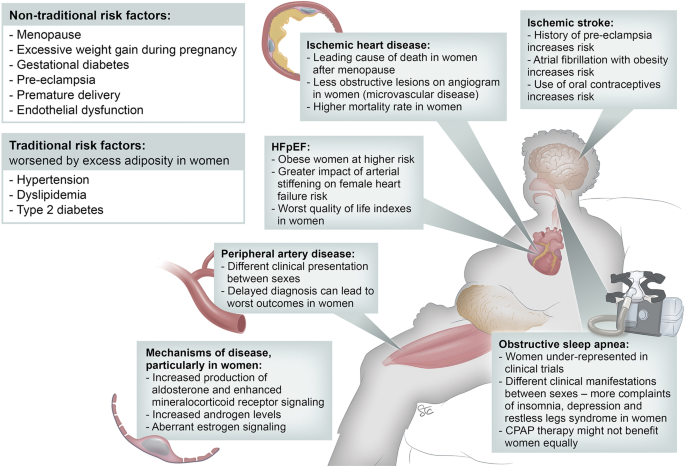
Credit: www.nature.com
Life Expectancy Factors In Heart Failure
Life expectancy in heart failure varies widely based on several factors. Understanding these factors helps patients and caregivers manage expectations and care plans. Heart failure is not a single condition but a spectrum of stages and complications. Each stage affects survival differently. Age, other health problems, and treatments also play crucial roles. This section explores key elements influencing life expectancy in heart failure.
Effects Of Heart Failure Stages
Heart failure progresses through stages A to D. Early stages often show mild symptoms and better survival rates. Advanced stages, especially Stage D, have severe symptoms and lower life expectancy. The heart’s ability to pump weakens more over time. Damage to the heart muscle worsens with each stage. Timely diagnosis and monitoring are essential to slow progression.
Influence Of Age And Comorbidities
Age is a major factor in heart failure survival. Younger patients tend to live longer than older ones. Other health issues, like diabetes, kidney disease, or lung problems, reduce life expectancy. These conditions strain the body and complicate treatment. Managing comorbidities alongside heart failure improves quality of life and survival chances.
Treatment Impact On Survival
Treatment can significantly extend life expectancy in heart failure. Medication helps control symptoms and prevents heart damage. Lifestyle changes such as healthy eating and exercise support heart health. Advanced treatments like implantable devices or heart transplants offer hope for some patients. Following medical advice and regular check-ups improve outcomes. Early and consistent treatment is key to living longer with heart failure.
Preventing Heart Failure In Obese Individuals
Preventing heart failure in obese individuals requires focused efforts on lifestyle changes. Obesity strains the heart by increasing blood volume and workload. This can lead to heart failure if not managed properly. Simple, consistent steps can reduce this risk and improve heart health.
Small changes build stronger hearts and healthier lives. Below are key areas to focus on for prevention.
Weight Management Strategies
Maintaining a healthy weight reduces heart stress significantly. Set realistic weight loss goals and track progress. Seek support from healthcare professionals or support groups. Avoid fad diets; focus on balanced, sustainable eating habits. Gradual weight loss is safer and more effective. Consistency in daily habits helps keep weight under control. Even modest weight loss can improve heart function.
Heart-healthy Diet Tips
Choose foods low in saturated fats and salt. Eat more fruits, vegetables, whole grains, and lean proteins. Limit sugary drinks and processed snacks. Use healthy oils like olive or canola oil. Control portion sizes to avoid overeating. Drinking enough water supports overall health. Cooking at home allows better control over ingredients. These changes protect the heart and reduce obesity risks.
Importance Of Physical Activity
Regular exercise strengthens the heart and improves circulation. Aim for at least 150 minutes of moderate activity weekly. Walking, swimming, or cycling are good options. Start slow and increase intensity gradually. Physical activity helps burn calories and reduce weight. It also lowers blood pressure and improves mood. Consistency is key to long-term benefits. Find activities you enjoy to stay motivated.

Credit: www.hopkinsmedicine.org
Treatment Options For Obese Patients With Heart Failure
Treating heart failure in obese patients requires a careful approach. The goal is to improve heart function and reduce symptoms. Treatment often combines medication, lifestyle changes, and sometimes advanced procedures. Managing obesity alongside heart failure can improve outcomes and quality of life.
Medications And Lifestyle Changes
Doctors prescribe medicines to help the heart pump better. These may include beta-blockers, ACE inhibitors, and diuretics. Medicines reduce fluid buildup and control blood pressure. Lifestyle changes play a key role too. Patients benefit from a low-sodium diet and regular, gentle exercise. Losing weight helps reduce strain on the heart. Quitting smoking and limiting alcohol also support heart health.
Advanced Interventions Like Lvad And Transplant
Some patients need more advanced treatments. A Left Ventricular Assist Device (LVAD) helps the heart pump blood. It is a mechanical pump implanted in the chest. This option suits patients with severe heart failure. In rare cases, a heart transplant may be necessary. Transplants replace the damaged heart with a healthy one. Both procedures require careful evaluation and follow-up care.
Managing Related Conditions
Obese patients with heart failure often have other health issues. Diabetes, high blood pressure, and sleep apnea are common. Controlling these conditions is vital for better heart health. Regular check-ups and medication adjustments help manage these problems. Treating related conditions reduces the risk of heart failure worsening.
Maintaining Heart Health Long-term
Maintaining heart health long-term is vital for those affected by obesity and heart failure. Managing this condition requires ongoing care and lifestyle adjustments. Small, consistent actions help protect the heart and improve quality of life. Understanding key habits supports lasting heart health.
Monitoring And Regular Checkups
Regular medical checkups help track heart function and weight changes. Doctors can spot problems early and adjust treatments. Monitoring blood pressure, cholesterol, and blood sugar levels is essential. Staying informed about your health guides better decisions. Keep all scheduled appointments and share any new symptoms.
Stress Management And Sleep
Stress harms the heart and can worsen heart failure. Find simple ways to relax, like deep breathing or light exercise. Quality sleep strengthens the heart and helps control weight. Aim for seven to eight hours of rest every night. Avoid screens before bed and create a calm sleeping space.
Support Systems And Patient Education
Support from family, friends, and healthcare providers boosts heart health efforts. Learning about heart failure and obesity empowers better care. Join support groups or educational programs to stay motivated. Share challenges and successes with others to build confidence. Being well-informed leads to healthier choices every day.
Conclusion
Obesity significantly raises the risk of heart failure. Excess weight makes the heart work harder. This strain can lead to serious heart problems over time. Managing weight through diet and exercise helps protect heart health. Early care and lifestyle changes improve quality of life.
Understanding the link between obesity and heart failure is vital. Taking steps today can reduce future health risks. Small changes make a big difference for your heart. Stay informed, stay healthy, and support your heart’s strength.