

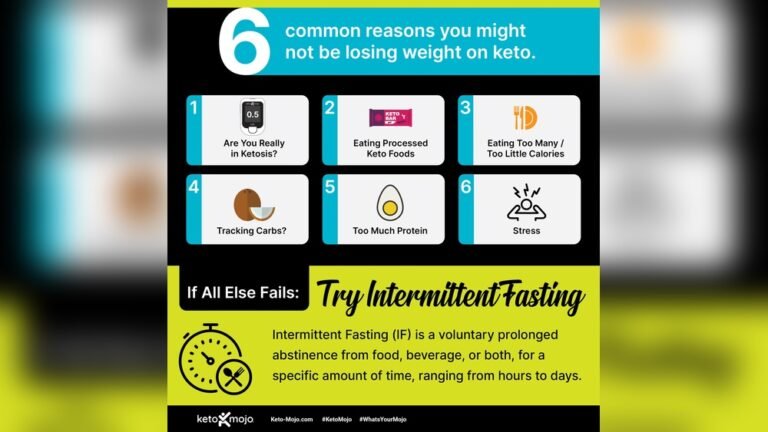
Are you following the keto diet but still not seeing the scale move? It can be frustrating to stick to your plan and not lose weight like you expected.
You might be wondering if you’re doing something wrong or if keto just isn’t working for you. The truth is, many people hit a weight loss plateau on keto, and it often comes down to a few common mistakes or hidden factors.
You’ll discover why you might not be losing weight on keto and learn simple, practical steps to break through that stubborn stall. Keep reading to get back on track and finally reach your goals.
Calorie Intake
Calorie intake plays a key role in weight loss on a keto diet. Many assume keto allows unlimited eating of high-fat foods. The truth is calories still matter. Eating more calories than your body burns will stall weight loss. Understanding how to manage calorie intake can help break this plateau.
Avoid Overeating High-fat Foods
High-fat foods are dense in calories. Nuts, cheese, and oils add up quickly. Eating large portions can cause calorie surplus. This stops your body from burning stored fat. Focus on portion control to keep calories in check. Choose healthy fats but in moderate amounts.
Track Hidden Calories
Hidden calories hide in dressings, sauces, and snacks. These small extras can add hundreds of calories daily. Many keto-friendly products contain added fats or sugars. Tracking all food and drink intake helps reveal these hidden calories. Use apps or journals to monitor what you consume. This awareness aids in adjusting portions and choices.
Carbohydrate Sneak
Sometimes, people on keto do not lose weight because of hidden carbs. These carbs sneak into your meals without you noticing. This is called the “Carbohydrate Sneak.” It can stop your body from burning fat. Finding these carbs helps you get back on track. Look closely at what you eat every day. Small carb sources add up quickly and affect your progress.
Check Processed Foods
Processed foods often contain hidden sugars and starches. These carbs can break ketosis. Read labels carefully. Watch for words like maltodextrin, dextrose, and corn syrup. Even “low-carb” snacks may have more carbs than you expect. Choose fresh, whole foods instead. This keeps your carb count low and steady.
Watch Sauces And Condiments
Sauces and condiments can hide sugars and carbs. Ketchup, barbecue sauce, and some salad dressings often have added sugar. These small amounts add up fast. Use mustard, hot sauce, or homemade dressings with no sugar. Always check the nutrition facts before adding sauces to your meals.
Fat Consumption Balance
Balancing fat consumption is crucial on a keto diet, especially if weight loss stalls. Fat is the main energy source on keto. Eating too little or too much fat can both affect your progress. Managing fat intake helps your body burn stored fat efficiently.
Eat Enough Fat For Energy
Fat provides the energy your body needs on keto. Without enough fat, your body may slow down. It might hold on to fat instead of burning it. Eating sufficient fat keeps your energy levels steady. It supports brain function and physical activity. Aim to include healthy fats in every meal.
Avoid Excess Fat Intake
Too much fat can stop weight loss. Extra fat adds more calories than your body needs. This can slow down fat burning. Avoid overdoing fatty snacks like cheese and heavy cream. Track your fat intake to stay within your calorie goals. Balance is key to making keto work for weight loss.
Credit: www.bulletproof.com
Exercise Impact
Exercise plays a key role in weight loss on keto. It helps burn calories and builds muscle. Muscle increases metabolism, which aids fat burning. Without exercise, the body may hold onto fat stores. Understanding how exercise impacts your keto journey can help break a weight loss stall.
Incorporate Strength Training
Strength training boosts muscle mass. More muscle means higher calorie burn at rest. This type of exercise also shapes your body and improves strength. Use weights, resistance bands, or bodyweight exercises. Aim for two to three sessions weekly. Strength training complements keto by enhancing fat loss and preserving lean tissue.
Stay Consistent With Activity
Regular activity keeps your metabolism active. It does not require intense workouts daily. Simple tasks like walking or light jogging add up. Consistency matters more than intensity. Set a schedule and stick to it. Daily movement supports keto by increasing energy use and reducing fat stores.
Stress And Hormones
Stress affects the body in many ways, especially during a keto diet. It triggers hormone changes that can stop weight loss. Hormones like cortisol rise when stress is high. This hormone helps the body respond to danger but causes problems if levels stay high for long.
High cortisol can increase hunger and cravings. It may also cause the body to store fat, especially around the belly. These changes make losing weight on keto harder. Managing stress and hormone levels plays a key role in breaking a weight loss plateau.
Manage Cortisol Levels
Lowering cortisol helps the body burn fat more easily. Try simple stress-relief methods like deep breathing or short walks. Regular exercise also reduces cortisol and improves mood. Avoid caffeine late in the day, as it can raise cortisol levels. Taking breaks during work reduces stress and hormone spikes. Small changes create a big impact on weight loss progress.
Improve Sleep Quality
Poor sleep raises cortisol and disrupts other hormones. Aim for 7 to 9 hours of sleep every night. Create a relaxing bedtime routine to help fall asleep faster. Keep the bedroom dark and cool for better rest. Avoid screens at least an hour before bed. Better sleep balances hormones and supports fat loss on keto.
Metabolism Factors
Metabolism plays a key role in weight loss on keto. It controls how your body burns energy. Sometimes, a slow metabolism can stall progress despite ketosis. Understanding metabolism factors helps identify hidden barriers. Adjusting your approach can improve fat burning and weight loss results.
Avoid Extreme Calorie Restriction
Eating too few calories can slow metabolism. The body senses starvation and reduces energy use. This makes burning fat harder. On keto, eating enough calories supports metabolic functions. Focus on balanced meals with fats, protein, and some low-carb vegetables. Starving yourself leads to weight loss plateaus.
Maintain Muscle Mass
Muscle burns more calories than fat, even at rest. Losing muscle lowers metabolism and slows fat loss. Strength training helps preserve muscle during keto. Include protein in every meal to support muscle repair. Keeping muscle mass boosts your metabolic rate. This helps you lose weight more efficiently.
Plateau Breakers
Hitting a weight loss plateau on keto can feel frustrating. The good news? Small changes can restart progress. These “Plateau Breakers” tweak your routine to help your body burn fat again. Adjusting the balance of fats and proteins or changing meal timing can make a big difference.
Trying new approaches challenges your metabolism. It prevents your body from adapting and slowing down weight loss. These strategies are simple and easy to follow. They support your keto goals and keep your journey moving forward.
Alternate Fat And Protein Days
Switch between high-fat and higher-protein days. One day focus on eating more healthy fats like avocado and olive oil. The next day eat more lean proteins such as chicken and fish. This variation can help your body avoid using fat from food all the time.
Protein-rich days encourage muscle maintenance and increase calorie burn. Fat-heavy days keep you in ketosis and provide steady energy. Changing the balance this way can break through a plateau and boost fat loss.
Try Intermittent Fasting
Intermittent fasting limits your eating window to certain hours. For example, eat only during 8 hours and fast for 16 hours each day. This method lowers insulin levels and increases fat burning.
Fasting helps reduce calorie intake without tracking every bite. It also improves hormone balance to support weight loss. Many keto followers find fasting helps them pass plateaus faster.

Credit: www.faynutrition.com
Mindset And Patience
Adopting a keto diet can be a big change. Sometimes, weight loss does not happen as fast as expected. Mindset and patience play a key role in this journey. Understanding how your body works helps you stay on track. Changes take time, and results are not always immediate.
Set Realistic Expectations
Weight loss on keto is not always quick. Your body needs time to adjust to burning fat for energy. Expect gradual progress, not sudden drops on the scale. Small changes add up over weeks and months. Focus on how you feel, energy levels, and health improvements. Realistic goals reduce frustration and keep motivation high.
Embrace The Process
Every step counts in your keto journey. Celebrate small wins like better sleep or clearer skin. Trust that your efforts will pay off with time. Avoid comparing yourself to others or rushing results. Consistency matters more than speed. Patience helps you stick to the diet and build lasting habits.
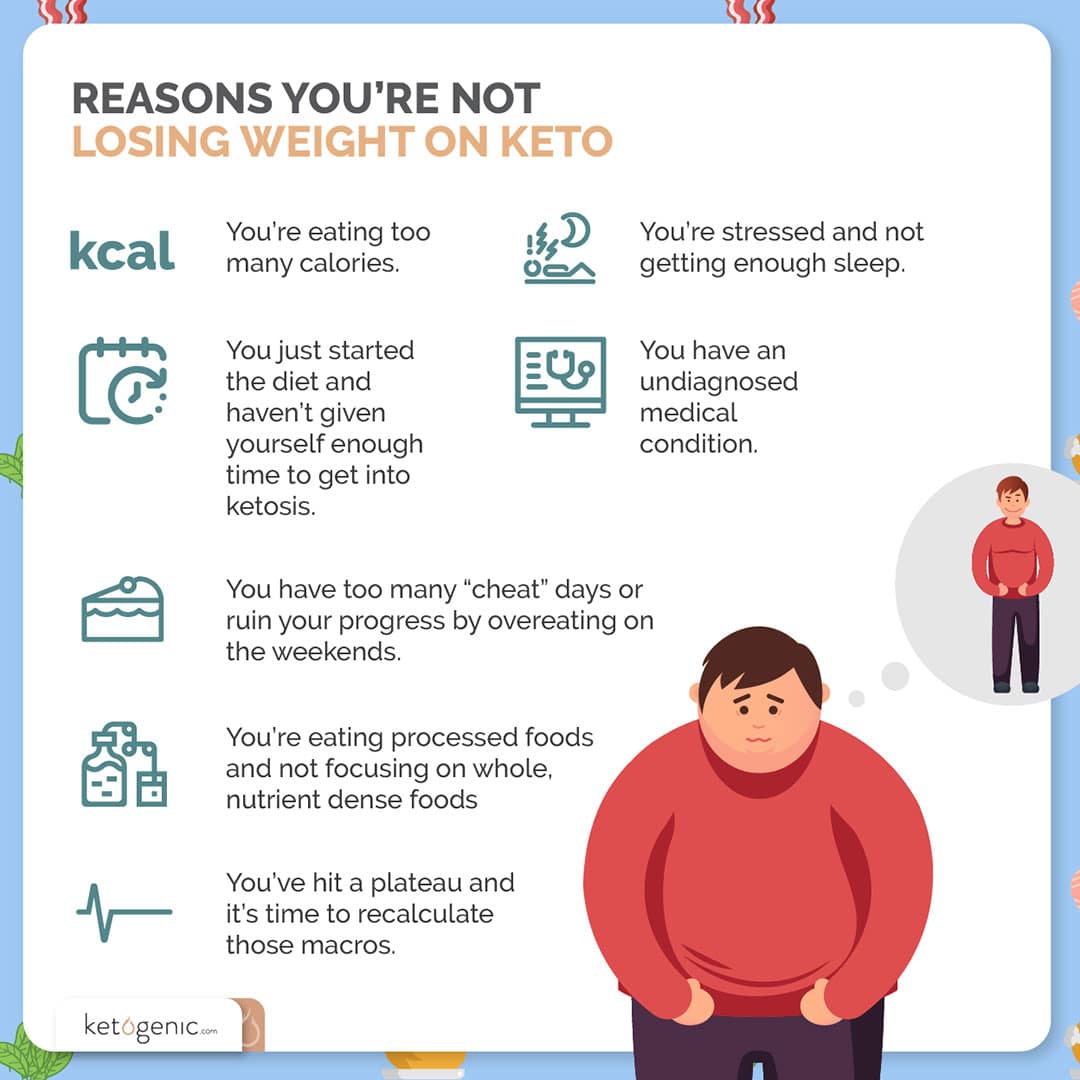
Credit: ketogenic.com
Frequently Asked Questions
How To Break Weight Loss Plateau On Keto?
To break a keto weight loss plateau, adjust calorie intake, track macros, vary fat and protein levels, and increase physical activity.
Why Am I Not Losing Weight On Keto After 3 Weeks?
Not losing weight on keto after 3 weeks often means overeating, hidden carbs, or insufficient fat intake. Track calories and adjust macros. Include strength training and avoid processed foods to break plateaus.
How Long Does It Take To Start Losing Weight On Keto?
Most people start losing weight on keto within 1-2 weeks. Initial loss often includes water weight. Fat loss follows with consistent calorie deficit and ketosis. Results vary based on metabolism, activity, and diet adherence. Tracking intake helps overcome plateaus and ensures steady progress.
Can Not Eating Enough Fat On Keto Stall Weight Loss?
Not eating enough fat on keto can stall weight loss by preventing your body from using stored fat for energy. Ensure adequate fat intake to maintain ketosis and support fat burning.
Conclusion
Sticking to keto without weight loss can feel frustrating. Check your calorie intake carefully. Hidden carbs might slow your progress. Ensure you eat enough fat, but not too much. Try varying your meals and tracking food daily. Small changes can restart your weight loss journey.
Stay patient and consistent with your efforts. Results often take time to appear. Keep focusing on healthy habits and listen to your body. Weight loss on keto is a process, not a race.