

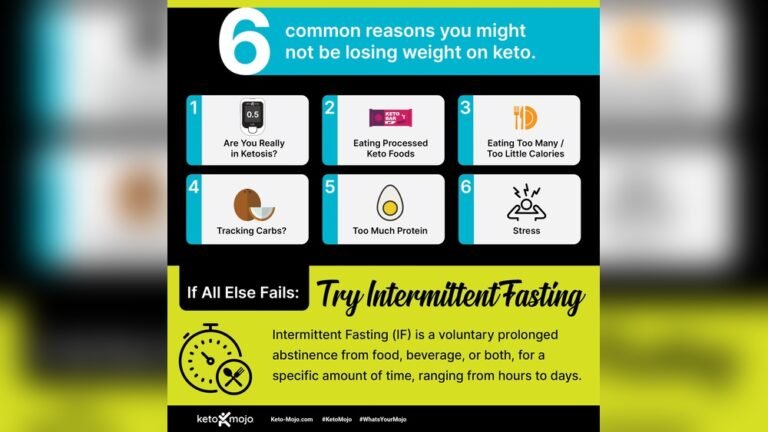
You’ve started the keto diet with high hopes, but the scale just won’t budge. It’s frustrating, isn’t it?
You’re cutting carbs and eating all the “right” foods, yet your weight stays the same. If you’re on keto and not losing weight, you’re not alone—and there’s a reason behind it. The truth is, keto isn’t a magic fix. Hidden carbs, overeating, or even simple lifestyle habits might be holding you back.
But don’t worry—understanding these common pitfalls can help you break through the stall and finally see results. Keep reading to discover why your keto diet isn’t working and what you can do to fix it starting today.
Common Pitfalls
Many people on keto stop losing weight and feel stuck. The issue often lies in common mistakes. These pitfalls can quietly block progress. Recognizing them helps you adjust your approach. Here are the most frequent errors that prevent weight loss on keto.
Overeating Calories
Keto foods are often high in fat and calories. Eating too much fat can add more calories than you burn. Snacks like cheese, nuts, and oils are easy to overeat. Even if you stay in ketosis, extra calories can stop weight loss. Portion control is key to avoid this pitfall.
Hidden Carbs
Some foods seem keto-friendly but have hidden carbs. Certain nuts, sauces, or low-carb sweeteners may contain more carbs than expected. These carbs add up quickly and can kick you out of ketosis. Reading labels and tracking carbs carefully helps you avoid hidden carbs.
Inaccurate Tracking
Tracking food intake is vital for keto success. Many underestimate how much they eat or the carb content. Without accurate tracking, you may consume more calories and carbs than planned. Using a food diary or app ensures you know exactly what you eat. This keeps your diet on track and supports weight loss.

Credit: www.bulletproof.com
Lifestyle Factors
Lifestyle choices play a big role in your keto weight loss journey. Some habits can slow down or stop your progress. Understanding these habits helps you make better decisions. Pay attention to how you live daily. Small changes can lead to better results.
Excessive Snacking
Snacking often disrupts your body’s fat-burning mode. Even keto-friendly snacks add calories. Eating too much between meals can keep insulin levels high. This stops your body from using stored fat. Limit snacks to stay in a fasting state longer. Focus on meals with enough fat and protein.
Poor Sleep
Not sleeping well affects your weight loss efforts. Lack of sleep raises stress hormones like cortisol. High cortisol makes the body store fat, especially around the belly. It also reduces energy for workouts. Aim for seven to nine hours of quality sleep. A good sleep routine supports your keto goals.
Stress Impact
Stress can block your progress on keto. It triggers hormone changes that increase hunger. You may crave high-carb or sugary foods. Stress also slows down metabolism and fat burning. Find ways to manage stress daily. Simple activities like walking or deep breathing help reduce stress.
Alcohol Effects
Alcohol adds extra calories and carbs to your diet. Drinking lowers your willpower to stick with keto meals. It can cause more snacking and poor food choices. Alcohol also slows fat burning because the body processes it first. Limit drinking to avoid stalling your weight loss.
Health And Metabolism
Health and metabolism play a key role in weight loss on keto. Your body’s ability to burn fat depends on metabolic rate and overall health. Changes in metabolism can slow weight loss or cause it to stop altogether. Understanding these factors helps address weight loss challenges.
Weight Loss Plateau
A weight loss plateau happens when your body adapts to your diet and exercise. Your metabolism may slow down to conserve energy. This can make weight loss harder despite following keto strictly. Adjusting calorie intake or increasing physical activity can help overcome this plateau.
Medical Conditions
Some medical conditions affect metabolism and weight loss. Thyroid issues, like hypothyroidism, can slow metabolism. Polycystic ovary syndrome (PCOS) also impacts hormone levels and fat burning. These conditions may require medical treatment to support weight loss on keto.
Medications Influence
Certain medications cause weight gain or slow weight loss. Antidepressants, steroids, and diabetes drugs often affect metabolism. These medications may increase appetite or cause water retention. Discuss medication effects with your doctor to find the best approach while on keto.
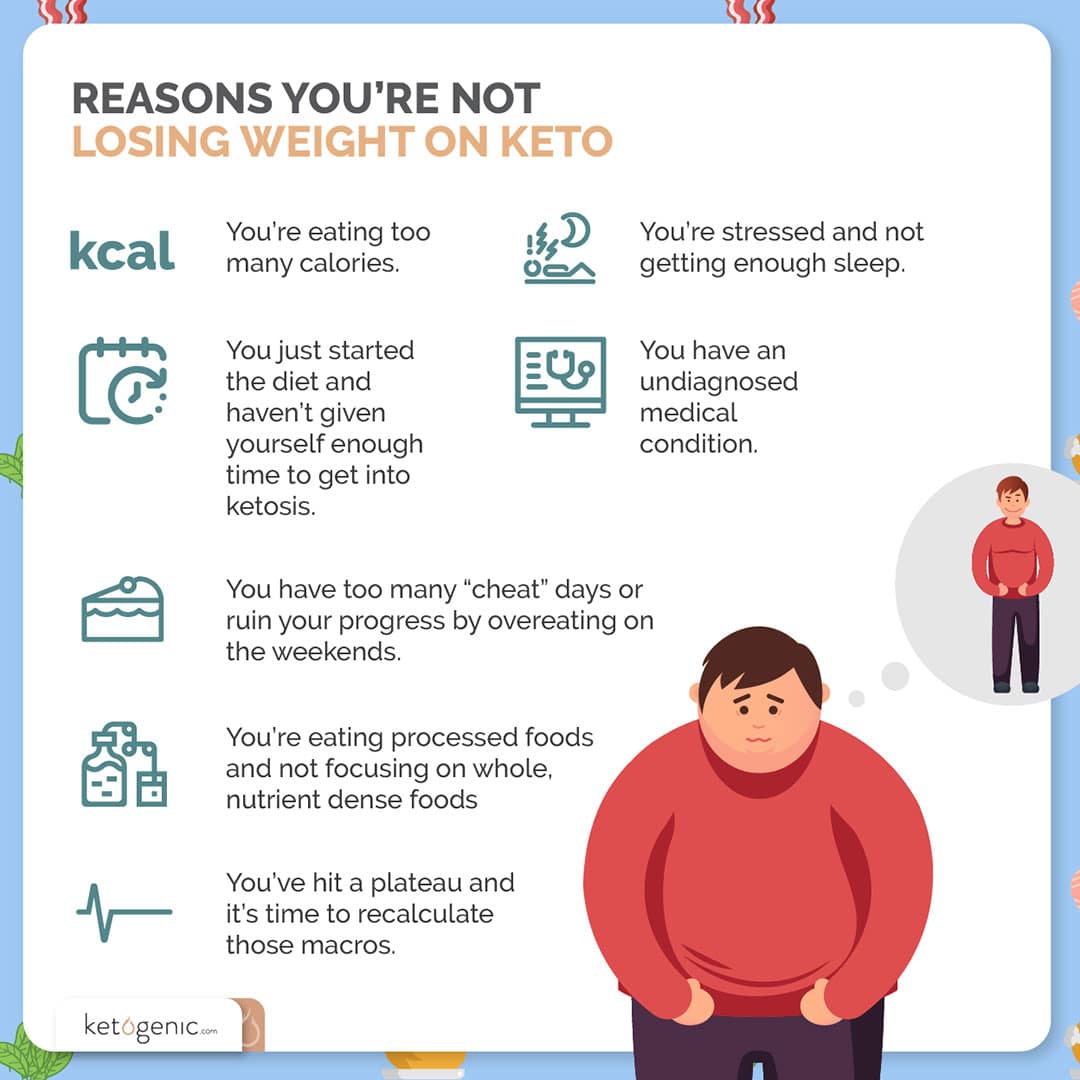
Credit: ketogenic.com
Easy Fixes
Not losing weight on keto can feel frustrating. Small changes can make a big difference. These easy fixes help you get back on track and see progress again.
Track Food Intake
Write down everything you eat and drink daily. Use a food tracking app for accuracy. This shows hidden carbs and extra calories you might miss. Tracking helps you stay within your keto limits and avoid overeating.
Control Portion Sizes
Even keto foods can cause weight gain if you eat too much. Measure your portions with a kitchen scale or cups. Smaller portions help reduce calorie intake without feeling hungry. Focus on quality, not quantity.
Add Physical Activity
Exercise speeds up weight loss and boosts metabolism. Try walking, cycling, or simple home workouts. Aim for at least 30 minutes most days. Physical activity helps burn fat and improves overall health.
Improve Sleep Quality
Good sleep supports weight loss by balancing hormones. Aim for 7 to 9 hours of rest each night. Create a calm bedtime routine and avoid screens before sleep. Better sleep helps your body burn fat more efficiently.
Consult Healthcare Professional
Talk to a doctor if weight loss stalls for weeks. Medical issues or medications can affect your progress. A professional can provide tests and advice tailored to your needs. Don’t ignore persistent problems.
Breaking Plateaus
Hitting a weight loss plateau on keto can feel frustrating. Your body adapts to the changes and slows down progress. Breaking through these plateaus requires smart adjustments. Small changes can help restart your weight loss journey. Focus on fat intake, meal patterns, and exercise to move past the stall.
Adjust Fat Intake
Fat is a key part of keto, but too much can stall weight loss. Cut back slightly on fat to reduce calories without leaving ketosis. Choose healthy fats like olive oil and avocado. Avoid excess cheese, nuts, and heavy cream. Tracking fat intake helps maintain balance and prevent overeating.
Alternate Meal Patterns
Changing meal timing can boost fat burning. Try intermittent fasting or eat two meals a day instead of three. Skipping snacks gives your body longer fasting periods. This helps lower insulin and increase fat burning. Adjust your meal schedule to fit your lifestyle and hunger levels.
Vary Exercise Routine
Exercise helps break plateaus by increasing calorie burn. Change your workout type to challenge your body. Add strength training, cardio, or high-intensity intervals. This variation prevents adaptation and improves muscle tone. Consistent movement supports metabolism and helps overcome stalls.

Credit: www.faynutrition.com
Frequently Asked Questions
Why Am I Not Losing Weight On Keto Diet?
Not losing weight on keto often results from overeating, hidden carbs, inaccurate tracking, excessive snacking, poor sleep, stress, or medical issues. Track calories and carbs carefully, control portions, exercise regularly, prioritize sleep, and consult a doctor if needed to improve results.
How To Break Weight Loss Plateau On Keto?
Break a keto plateau by tracking calories and carbs precisely. Reduce portions, avoid snacking, increase exercise, and improve sleep quality. Manage stress and check for hidden carbs. Consult a doctor for medical issues or medications affecting weight loss.
How Long Until You See Weight Loss On Keto?
You can see weight loss on keto within 1-2 weeks, mainly from water weight. Fat loss typically starts after 3-4 weeks with consistent carb restriction and calorie control. Results vary by individual factors like metabolism, activity, and adherence to the diet.
Is It Possible That Keto Doesn’t Work For Me?
Yes, keto might not work if you overeat calories, consume hidden carbs, or don’t track intake accurately. Poor sleep, stress, medical issues, or medications can also affect results. Tracking food, managing portions, exercising, and consulting a doctor help improve success on keto.
Conclusion
Weight loss on keto can stall for many reasons. Overeating, hidden carbs, and inaccurate tracking often block progress. Snacking too much and poor sleep also affect results. Stress and alcohol may slow fat burning. Health issues or medications might play a role.
Try tracking food closely and watch portions carefully. Add exercise and improve your sleep habits. Consult a doctor if problems persist. Patience and small changes usually help you move forward. Keep focus, stay consistent, and results will come.