

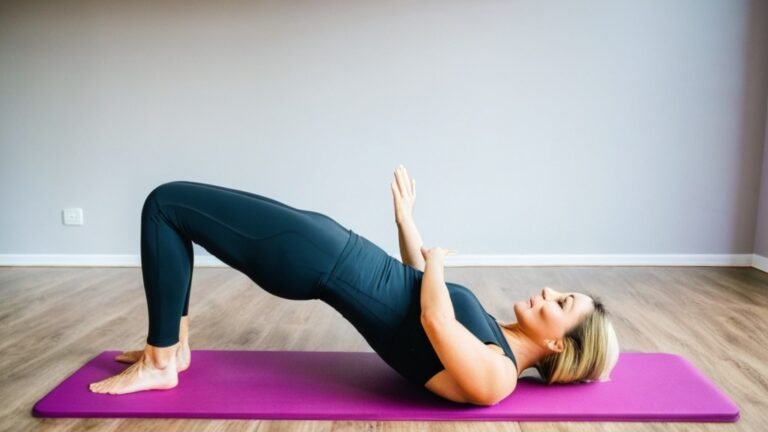
You are seeking to understand how Pilates can contribute to your weight loss journey. This article will provide a factual overview of Pilates’ role in weight management, supported by recent scientific findings and practical considerations. We will explore its mechanisms, benefits, and limitations, enabling you to make informed decisions about incorporating it into your fitness regimen.
Pilates, while often perceived as a gentle exercise, plays a significant role in calorie expenditure and metabolic enhancement. You might initially underestimate its caloric impact, but its strategic approach to muscle engagement has long-term benefits.
Direct Calorie Burn During Practice
When you engage in a typical Pilates session, you are actively burning calories. A moderate intensity Pilates class, whether on a mat or reformer, can lead to a caloric expenditure ranging from approximately 175 to 250 calories per hour. This range is comparable to other low to moderate-intensity activities. Consider this as the immediate fuel consumption during a low-speed drive; it’s consistent and contributes to your daily energy deficit.
Building Lean Muscle for Metabolic Elevation
Beyond the immediate calorie burn, one of Pilates’ most profound contributions to weight loss lies in its ability to build lean muscle mass. As you consistently practice Pilates, you challenge your muscles through controlled movements and resistance. This stimulus promotes muscle hypertrophy, or growth. Lean muscle tissue is metabolically more active than fat tissue. This means that a person with a higher percentage of lean muscle mass will burn more calories at rest, even when sleeping or simply sitting. This phenomenon is known as an elevated basal metabolic rate (BMR). Think of your BMR as the idle speed of your car; the more efficient your engine (muscles), the more fuel it consumes even when not in vigorous motion. An increase in BMR means your body becomes a more efficient calorie-burning machine around the clock, not just during your workout.
Scientific Validation of Pilates for Weight Reduction
The efficacy of Pilates in weight loss is not merely anecdotal; it is increasingly supported by scientific research. As you consider incorporating Pilates into your routine, understanding the evidence behind its benefits can be encouraging.
Observed Body Weight Reduction
Recent studies have provided tangible evidence of Pilates’ impact on body weight. A 2021 study, for instance, documented a significant reduction in body weight among participants who engaged in consistent Pilates practice. This suggests that when applied rigorously and over time, Pilates can indeed be a catalyst for noticeable changes on the scale. These findings move Pilates beyond just a toning exercise into the realm of effective weight management strategies.
Improvements in Body Composition and Anthropometric Measurements
Beyond just overall weight loss, Pilates has demonstrated positive effects on body composition. A 2017 study focusing on overweight women reported several beneficial outcomes. Participants experienced not only a reduction in overall body weight but also a decrease in waist circumference, a key indicator of abdominal fat. Furthermore, the study noted improvements in the participants’ body composition, implying a favourable shift in the ratio of lean mass to fat mass. This means you are not just losing weight, but you are also re-sculpting your body, replacing less metabolically active fat with more metabolically active muscle. This is akin to recalibrating your body’s internal thermostat, setting it to a more efficient operating temperature.
The Distinct Advantage of Reformer Pilates
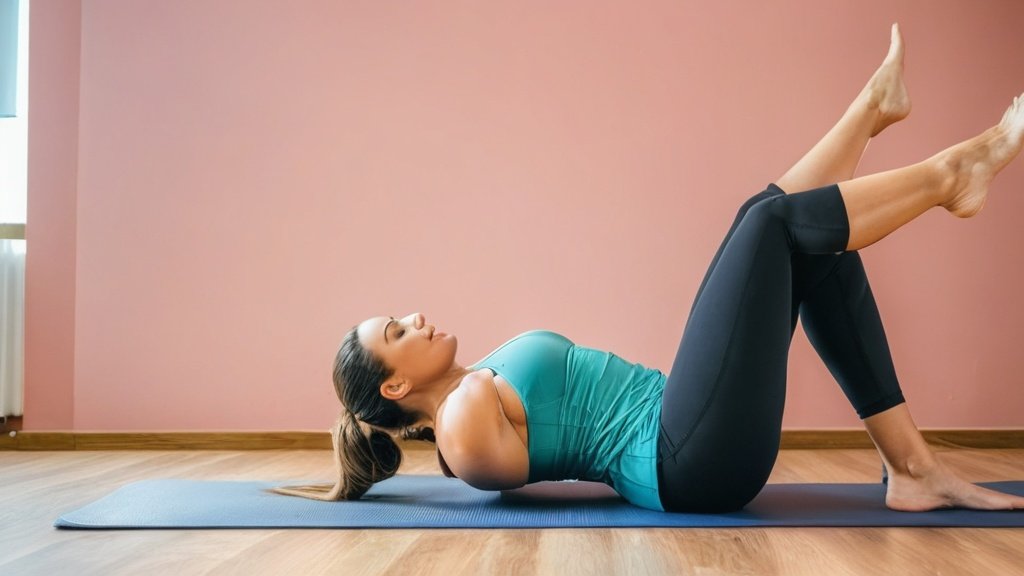
While mat Pilates offers substantial benefits, the dynamic nature of Reformer Pilates provides an additional edge, particularly concerning calorie expenditure and muscle development crucial for weight loss.
Increased Calorie Burn and Muscle Engagement
Reformer Pilates sessions are inherently more dynamic than their mat-based counterparts. The reformer apparatus utilizes springs and pulleys to provide varying levels of resistance, allowing for a broader range of motion and a more intense muscular challenge. This increased resistance translates directly into a higher calorie burn during the workout. You are not just moving your body; you are actively pushing and pulling against calibrated forces, demanding more energy from your system. This is similar to the difference between walking on a flat surface and walking uphill with a weighted backpack; the latter requires significantly more effort and burns more calories.
Enhanced Muscle Growth and Full-Body Fat Burning
The versatile nature of the reformer allows for comprehensive engagement of multiple muscle groups simultaneously, leading to more pronounced muscle growth across the entire body. The resistance provided by the springs can be adjusted to target specific muscles more intensely, fostering hypertrophic responses that mat work alone might not achieve as effectively. This widespread muscle development contributes to a more pronounced increase in your basal metabolic rate, as discussed earlier. Moreover, when you engage in full-body resistance training like that offered by the reformer, you stimulate systemic fat burning. Your body mobilizes fat stores from various regions to fuel these demanding movements, making it a powerful tool for overall body fat reduction. Think of the reformer as a sculptor’s chisel, meticulously shaping and strengthening your entire physique while simultaneously chipping away at unwanted fat.
Core Benefits of Pilates for Effective Weight Loss
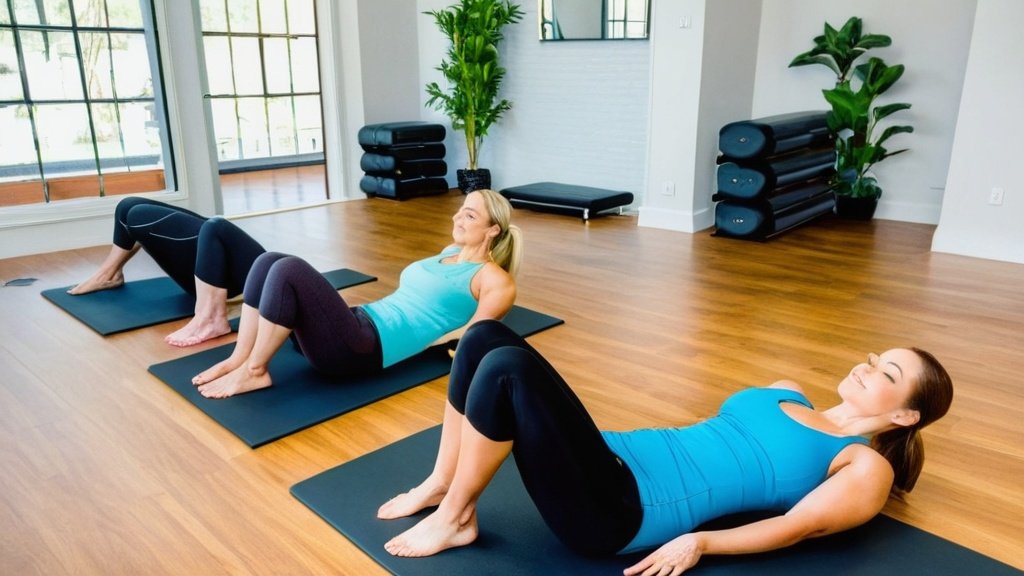
Pilates’ emphasis on core strength extends beyond just aesthetics, offering several direct and indirect benefits that contribute to successful weight management. Your core is not just your abdominal muscles; it’s the stable foundation of your entire body.
Reduction of Abdominal Fat
A foundational principle of Pilates is the strengthening of the core musculature, encompassing the deep abdominal muscles, pelvic floor, and back extensors. By consistently challenging these muscles, Pilates helps to tighten and tone the midsection. While Pilates doesn’t spot-reduce fat, a stronger and more engaged core can contribute to a reduction in overall body fat, including visceral fat, which is particularly detrimental to health. A strengthened core acts like a natural corset, providing internal support and, over time, contributing to a flatter stomach appearance.
Improved Posture for a Slimmer Appearance
Pilates places a strong emphasis on postural alignment and body awareness. Through specific exercises that target postural muscles, you develop better spinal alignment and learn to hold yourself with greater grace and efficiency. Good posture creates the illusion of a slimmer, more elongated physique. When you stand tall with your shoulders back and your core engaged, you naturally appear leaner and more confident. This visual enhancement can be a powerful psychological motivator in your weight loss journey.
Enhanced Flexibility and Stability
The methodical movements in Pilates not only build strength but also significantly improve your flexibility and stability. Increased flexibility allows for a greater range of motion in your joints, making everyday activities easier and reducing the risk of injury during other forms of exercise. Improved stability, particularly in the core and pelvis, creates a more balanced and efficient movement pattern. This means your body expends less energy on maintaining balance and more on purposeful movement, which can indirectly contribute to increased physical activity throughout your day.
Stress Management and Reduced Emotional Eating
Pilates, with its focus on breath and controlled movement, can be a potent tool for stress reduction. The mindful nature of the practice encourages you to be present, alleviating mental tension. Stress is a well-known trigger for emotional eating, where food is used as a coping mechanism rather than for genuine hunger. By engaging in Pilates, you actively reduce stress levels, thereby mitigating the impulse to overeat due to emotional distress. Consider Pilates a mindful pause in your day, allowing you to reset and approach food choices with greater intentionality.
Limitations and Optimal Integration for Weight Loss
| Metric | Value | Notes |
|---|---|---|
| Average Calories Burned per 1 Hour Session | 200-400 kcal | Depends on intensity and style of Pilates |
| Recommended Frequency | 3-5 times per week | For effective weight loss and toning |
| Average Weight Loss per Month | 1-3 lbs | Combined with healthy diet and cardio |
| Muscle Groups Targeted | Core, legs, glutes, arms, back | Improves overall muscle tone and posture |
| Impact Level | Low to Moderate | Suitable for beginners and injury recovery |
| Additional Benefits | Improved flexibility, balance, and mental focus | Supports sustainable weight loss |
While Pilates offers numerous advantages for weight loss, it is crucial for you to understand its limitations and how best to integrate it into a comprehensive weight management strategy. No single exercise modality is a magic bullet, and Pilates is no exception.
Not a Standalone Fat Burner Like High-Intensity Cardio
You should not view Pilates as your primary tool for rapid, high-volume calorie expenditure, akin to activities like intense running or high-impact aerobics. While it certainly burns calories, its intensity profile is generally lower than that of dedicated cardiovascular exercise designed purely for maximal caloric burn. Think of Pilates as a slow, deliberate burn that stokes your internal furnace, rather than an explosive bonfire. If your immediate goal is to create a significant daily calorie deficit through exercise alone, you would need to augment Pilates with more intense forms of cardio.
Most Effective When Combined with Diet and Consistency
The true power of Pilates in weight loss is unleashed when it is integrated into a holistic approach. It is most effective when combined with a calorie-controlled, nutrient-rich diet. Dietary choices remain paramount in creating the necessary caloric deficit for weight loss. Furthermore, consistency in your Pilates practice is non-negotiable. Sporadic engagement will yield sporadic results. Regular, sustained practice, ideally several times a week, is what cultivates the lean muscle mass, metabolic improvements, and body composition changes that contribute to successful weight loss. Consider your diet the architect of your weight loss plan and Pilates as the skilled craftsman refining the structure.
No Quick Fixes Without Lifestyle Changes
It is important to manage your expectations. Pilates is not a quick fix or a shortcut to shedding pounds without commensurate lifestyle adjustments. There is no magic pill or exercise program that can circumvent the fundamental principle of energy balance: you must consume fewer calories than you expend to lose weight. True weight loss, and more importantly, sustainable weight management, requires a commitment to healthier eating habits, regular physical activity (including various forms), and adequate sleep. Pilates is a powerful component of this equation, but it performs best within a supportive ecosystem of healthy choices. Your body is a complex system, and lasting change requires a holistic overhaul, not just a single adjustment.
Recent Insights into Pilates and Metabolic Health (2026)
As research concerning Pilates continues to evolve, more nuanced understandings of its benefits for weight loss and metabolic health emerge. These contemporary perspectives offer further validation and practical implications for your journey.
Sustained Calorie Burn Through Boosted Metabolism and Posture
Recent insights reinforce the concept that Pilates contributes to a sustained calorie burn, even beyond the duration of your workout. This is primarily attributed to two key factors: its capacity to boost your metabolism and its emphasis on improved posture. As previously discussed, the accumulation of lean muscle mass from consistent Pilates practice elevates your basal metabolic rate, meaning you burn more calories at rest around the clock. This means your body is metaphorically “running hotter” throughout the day. Concurrently, the enhanced posture cultivated through Pilates can lead to more efficient movement patterns in your daily activities. When your body is aligned correctly and your core is engaged, you expend less energy on compensating for poor posture and more on intentional movement, indirectly contributing to a slightly higher overall daily energy expenditure.
Support for Body Composition Improvements Despite Scale Weight Stabilization
A significant recent insight focuses on the distinction between weight loss and body composition improvements. You might reach a point in your weight loss journey where the number on the scale stabilizes, causing frustration. However, contemporary understanding suggests that even during such plateaus, consistent Pilates practice can continue to favorably alter your body composition. This means you might still be losing fat and gaining metabolically active lean muscle tissue, even if your total body weight remains constant. This phenomenon is critical to grasp: your body is becoming denser, stronger, and more metabolically efficient. Therefore, while the scale might become a less reliable indicator, measurements like waist circumference, clothing fit, or body fat percentage can demonstrate ongoing progress. Pilates helps you remodel your physique from the inside out, leading to a healthier, more functional body, irrespective of minor fluctuations on the scale. Consider the scale a single data point; your body composition, strength, and how your clothes fit are often more accurate reflections of your progress with Pilates.