


If you’ve been told you have prediabetes, you might be wondering how to take control of your health before it progresses. The good news is that what you eat can make a big difference—and the Mediterranean diet is one of the best choices for managing prediabetes.
This diet isn’t about strict rules or boring meals; it’s a simple way to enjoy delicious, wholesome foods that help keep your blood sugar steady and support your overall well-being. You’ll discover how the Mediterranean diet works for prediabetes, which foods to focus on, and easy steps to get started today.
Ready to take charge of your health with a tasty and effective eating plan? Let’s dive in!

Credit: www.amazon.com
Benefits For Prediabetes
The Mediterranean diet offers many benefits for people with prediabetes. It focuses on fresh, natural foods that support better health. This eating style helps manage blood sugar and improves overall wellness.
Following this diet can reduce the risk of developing type 2 diabetes. It promotes balanced meals that nourish the body and maintain steady energy levels. Here are some key benefits of the Mediterranean diet for prediabetes.
Improves Blood Sugar Control
The Mediterranean diet includes foods with a low glycemic index. These foods cause smaller rises in blood sugar after meals. This helps improve insulin sensitivity and keeps blood sugar more stable.
Eating whole grains, vegetables, and legumes slows sugar absorption. This reduces spikes and dips in blood sugar. Managing blood sugar better lowers the chance of developing diabetes.
Increases Fiber Intake
High fiber foods are a big part of this diet. Fruits, vegetables, nuts, and whole grains provide plenty of fiber. Fiber slows digestion and helps control blood sugar levels.
Fiber also supports gut health and improves feelings of fullness. This helps with weight management, which is important for prediabetes care. A fiber-rich diet makes it easier to keep blood sugar steady.
Provides Healthy Fats
Healthy fats come from olive oil, nuts, seeds, and fatty fish. These fats reduce inflammation and support heart health. People with prediabetes often have a higher risk of heart disease.
Replacing unhealthy fats with these healthy sources improves cholesterol levels. Healthy fats also help the body use insulin more effectively. This makes it easier to control blood sugar.
Offers Nutrient-dense Meals
The Mediterranean diet focuses on nutrient-dense foods. These foods provide vitamins, minerals, and antioxidants in every meal. This supports overall health and strengthens the immune system.
Eating a variety of plant-based foods ensures a balanced intake of nutrients. This diet avoids processed foods that lack essential nutrients. Nutrient-dense meals help the body function well and stay strong.
Starting The Mediterranean Diet
Starting the Mediterranean diet offers a simple and effective way to manage prediabetes. This diet focuses on fresh, natural foods that support blood sugar control and heart health. Small changes in your daily meals can lead to big health benefits. Below are key steps to begin this healthy eating plan.
Focus On Whole Foods
Build your meals around whole foods like vegetables, fruits, legumes, and whole grains. These foods are rich in fiber, which slows sugar absorption. Avoid processed foods that contain added sugars and unhealthy fats. Eating whole foods helps keep blood sugar levels steady throughout the day.
Choose Healthy Proteins
Include fish, skinless poultry, beans, and tofu as your main protein sources. These options provide essential nutrients without raising blood sugar. Limit red and processed meats, which can increase health risks. Healthy proteins support muscle health and keep you full longer.
Incorporate Healthy Fats
Use extra virgin olive oil, nuts, and avocados in cooking and meals. These fats reduce inflammation and improve heart health. Avoid trans fats and limit saturated fats found in fried and processed foods. Healthy fats also help your body absorb important vitamins.
Limit Refined Carbohydrates And Sugars
Reduce intake of white bread, sugary drinks, and sweets. These foods cause rapid blood sugar spikes and insulin resistance. Choose whole grains like quinoa or oats instead. Limiting refined carbs helps improve insulin sensitivity and stabilize energy levels.
Work With Health Professionals
Consult your doctor or dietitian before starting the Mediterranean diet. They can help create a plan that fits your health needs and lifestyle. Regular check-ups ensure your blood sugar and weight stay on track. Professional guidance makes managing prediabetes easier and safer.
Mediterranean Diet Food List
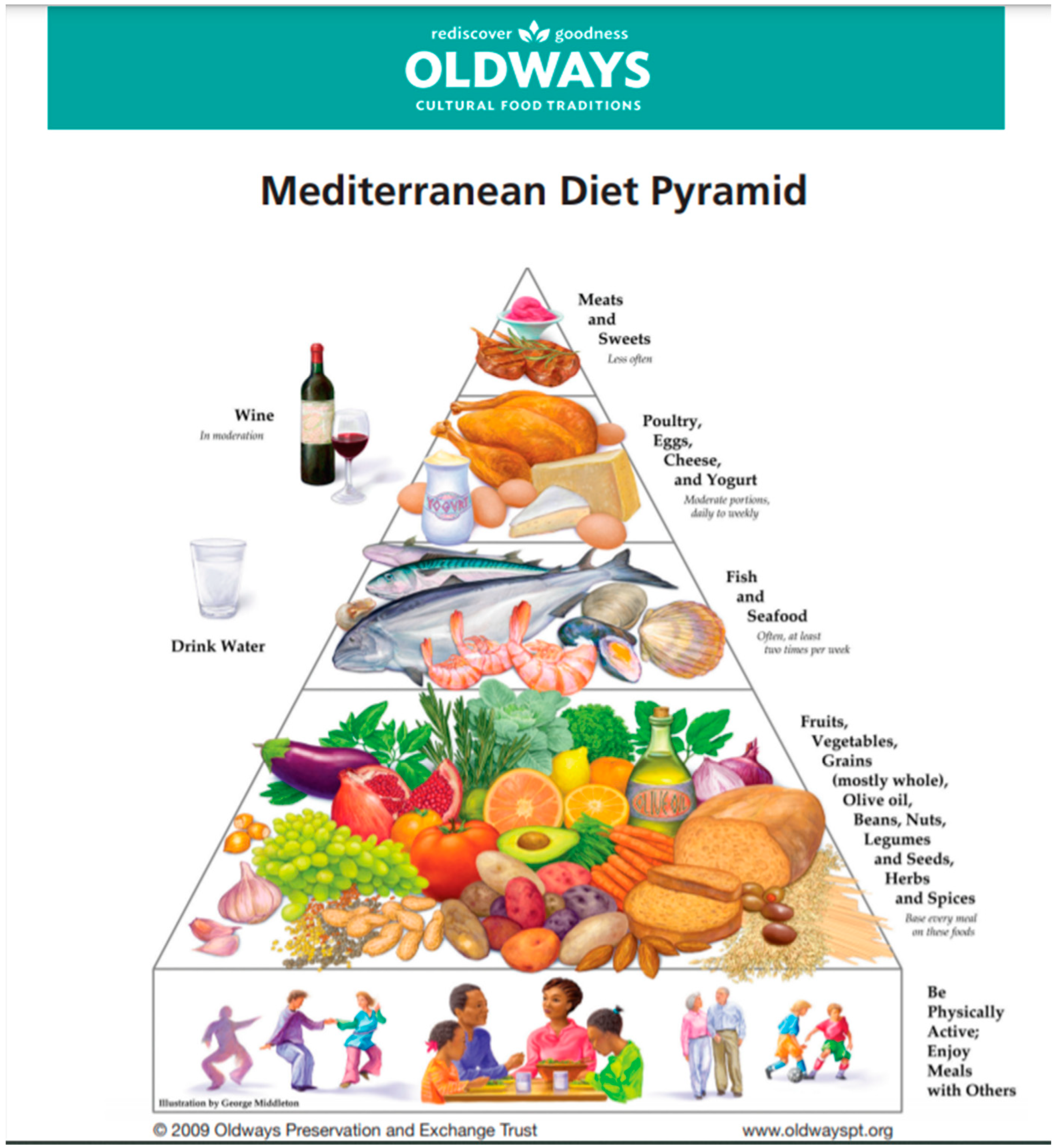
The Mediterranean Diet Food List is rich in fresh, natural foods that support blood sugar control. This diet focuses on nutrient-dense ingredients that help manage prediabetes effectively. It centers on whole foods, healthy fats, and lean proteins. The variety of foods makes meals enjoyable and easy to prepare.
Choosing the right foods helps improve insulin sensitivity and reduce inflammation. This list highlights staples that fit perfectly into a prediabetes-friendly eating plan.
Non-starchy Vegetables And Fruits
Non-starchy vegetables provide fiber and vitamins without raising blood sugar. Examples include spinach, broccoli, peppers, and zucchini. These vegetables add color and crunch to meals. Fruits like berries, apples, and citrus offer antioxidants and natural sweetness. Eating a variety of fruits and vegetables daily supports overall health.
Whole Grains And Legumes
Whole grains digest slowly and help keep blood sugar steady. Brown rice, quinoa, and oats are great choices. Legumes like lentils, chickpeas, and black beans add protein and fiber. These foods improve digestion and provide lasting energy. Including them regularly benefits blood sugar control.
Fish And Poultry
Fish such as salmon, mackerel, and sardines offer healthy omega-3 fats. These fats reduce inflammation and support heart health. Skinless poultry like chicken and turkey supply lean protein for muscle maintenance. Both fish and poultry are better options than red or processed meats. They help maintain balanced blood sugar levels.
Nuts, Seeds, And Olive Oil
Nuts and seeds provide healthy fats, protein, and fiber. Almonds, walnuts, chia seeds, and flaxseeds are nutritious choices. Extra virgin olive oil is the primary fat source in the Mediterranean diet. It contains antioxidants and anti-inflammatory compounds. Using these fats in cooking or as snacks supports metabolic health.
Credit: www.mdpi.com
Foods To Avoid Or Limit
Choosing the right foods is key to managing prediabetes with the Mediterranean diet. Certain foods can raise blood sugar and cause inflammation. Limiting these helps keep blood sugar stable and supports overall health. Here are some foods to avoid or limit for better results.
Processed Foods And Fast Food
Processed and fast foods often contain high amounts of salt, unhealthy fats, and sugar. These foods can cause blood sugar spikes and increase insulin resistance. They usually lack fiber and nutrients essential for blood sugar control. Avoiding these foods helps maintain steady energy and better health.
Refined Grains And Pastries
White bread, white rice, and pastries have refined grains. These foods have little fiber and cause quick blood sugar rises. They can worsen prediabetes symptoms. Choose whole grains like brown rice, quinoa, and oats instead. These provide fiber and slow down sugar absorption.
Added Sugars And Sugary Drinks
Sugary drinks and foods with added sugars increase blood sugar fast. Soda, fruit juices, candies, and sweets should be limited. They add empty calories and cause insulin spikes. Drinking water, herbal teas, or unsweetened beverages supports better blood sugar control.
Trans Fats And Margarine
Trans fats raise bad cholesterol and lower good cholesterol. They increase the risk of heart disease and worsen insulin resistance. Margarine and many fried foods contain trans fats. Use healthy fats like olive oil instead to protect heart and blood sugar health.
Processed And Fatty Meats
Processed meats like sausages, bacon, and deli meats are high in unhealthy fats and salt. Fatty cuts of meat also add excess saturated fat. These can increase inflammation and insulin resistance. Opt for lean proteins like fish, skinless chicken, or plant-based options.
Butter And Full-fat Dairy
Butter and full-fat dairy products contain saturated fat. High intake can raise cholesterol and affect insulin sensitivity. Choose low-fat or fat-free dairy to reduce saturated fat intake. Moderation is important for managing prediabetes effectively.
Meal Planning Tips
Planning meals for a Prediabetes Mediterranean Diet helps control blood sugar and improves health. Careful meal planning keeps your diet balanced and enjoyable. It supports steady energy and better insulin response. Here are useful tips to guide your meal preparation and choices.
Balancing Macronutrients
Include a mix of carbohydrates, proteins, and fats in every meal. Choose whole grains and vegetables for carbohydrates to avoid sugar spikes. Add lean proteins like fish or beans for muscle support. Use healthy fats such as olive oil or nuts to reduce inflammation.
Portion Control Strategies
Control portions to maintain healthy blood sugar levels. Use smaller plates to help reduce serving sizes. Measure foods like grains and oils to keep amounts in check. Eat slowly and stop when you feel satisfied, not full.
Healthy Cooking Methods
Cook meals using methods that preserve nutrients and add flavor. Try baking, grilling, steaming, or sautéing instead of frying. Use herbs and spices for taste without extra salt or sugar. Avoid processed ingredients to keep meals clean and simple.
Sample Mediterranean Meals
Breakfast: Greek yogurt with berries and a sprinkle of nuts.
Lunch: Quinoa salad with cherry tomatoes, cucumbers, olives, and grilled chicken.
Dinner: Baked salmon with steamed broccoli and a side of whole grain bread.
Snack: Hummus with carrot sticks or a small handful of almonds.

Credit: www.everydayhealth.com
Managing Prediabetes With Lifestyle
Managing prediabetes with lifestyle changes is a strong step toward better health. Small, steady actions can control blood sugar and reduce diabetes risk. The Mediterranean diet offers a balanced, natural way to eat that supports this goal. Pairing diet with other healthy habits creates a powerful effect. This section explores key lifestyle habits that help manage prediabetes effectively.
Combining Diet With Physical Activity
Eating well and moving your body work best together. Physical activity helps your body use insulin better. Aim for at least 30 minutes of moderate exercise most days. Walking, cycling, or swimming are simple choices. Exercise also helps control weight, which improves blood sugar levels.
Monitoring Blood Sugar Levels
Regular blood sugar checks show how well your lifestyle is working. Testing helps catch highs or lows early. Keep a log of your readings to share with your doctor. Use this information to adjust your diet and activity. Knowing your numbers gives control and peace of mind.
Stress Reduction Techniques
Stress raises blood sugar and affects insulin use. Find ways to relax and calm your mind. Try deep breathing, meditation, or gentle yoga. Even short breaks during the day help reduce stress. Managing stress supports blood sugar control and overall health.
Importance Of Regular Medical Checkups
See your healthcare provider regularly to track your progress. Doctors can adjust your plan as needed. They check for any complications early. Regular visits keep you motivated and informed. Partnering with your doctor improves your chance to prevent diabetes.
Conclusion
The Mediterranean diet offers a simple way to manage prediabetes. It focuses on whole, natural foods that help control blood sugar. Eating more fruits, vegetables, and healthy fats supports your body’s needs. Avoiding sugary and processed foods reduces harmful spikes in glucose.
This diet not only improves insulin sensitivity but also promotes heart health. Small, steady changes can make a big difference. Talk with your healthcare provider to create a plan that fits you. Embrace this balanced approach for better health and energy each day.