


Are you tired of quick fixes that promise fat loss but leave you feeling frustrated and stuck? What if you could boost your metabolism in ways that are proven by science—and keep the weight off for good?
Your metabolism controls how your body burns calories, and understanding how to enhance it can be the key to sustainable fat loss. You’ll discover simple, science-backed strategies that fit into your daily life. These aren’t gimmicks or fads; they are effective methods that help your body work smarter, not harder.
Ready to unlock your metabolism’s full potential and achieve lasting results? Keep reading to find out how.
Metabolism And Fat Loss
Metabolism plays a crucial role in how your body burns calories and loses fat. It is the process that converts food into energy. Understanding metabolism helps create effective fat loss strategies. A faster metabolism means your body uses more calories even when resting. This can support sustainable fat loss over time.
How Metabolism Affects Weight
Metabolism controls the number of calories your body burns daily. This includes calories burned during exercise and at rest. A slower metabolism burns fewer calories, making weight loss harder. Many factors affect metabolism, such as age, genetics, and hormone levels. Increasing metabolism can help create a calorie deficit, which is key for fat loss.
Role Of Muscle In Calorie Burning
Muscle tissue burns more calories than fat, even while resting. Building muscle through strength training boosts your metabolism. More muscle means your body needs more energy to maintain itself. This increases your daily calorie burn and supports fat loss. Maintaining muscle mass is essential for keeping metabolism high as you age.
Exercise To Boost Metabolism
Exercise plays a vital role in increasing metabolism for sustainable fat loss. Moving your body helps burn calories and improves how your metabolism works. Different types of exercise affect metabolism in unique ways. Understanding these can help you choose the best workouts to boost your fat burning.
Strength Training Benefits
Strength training builds muscle mass, which raises metabolism. Muscle cells burn more calories than fat cells, even at rest. Lifting weights or using resistance bands helps increase muscle size and strength. This increase in muscle boosts your resting metabolic rate, helping you burn more calories throughout the day. Regular strength workouts also improve body shape and support long-term fat loss.
High-intensity Interval Training
High-Intensity Interval Training (HIIT) alternates short bursts of intense exercise with rest periods. This method burns many calories quickly and raises metabolism after exercise. HIIT improves how your body uses oxygen and burns fat more efficiently. These workouts take less time but give big results. Doing HIIT two to three times a week supports faster fat loss and keeps metabolism active.
Daily Movement Tips
Small changes in daily activity can raise metabolism. Walking more, taking stairs, or standing instead of sitting helps burn extra calories. These movements add up and keep your metabolism working all day. Try simple habits like stretching during breaks or parking farther away. Staying active throughout the day supports your exercise routine and fat loss goals.
Nutrition For Metabolism
Nutrition plays a key role in boosting metabolism and supporting sustainable fat loss. The foods you eat affect how your body burns calories and uses energy. Certain nutrients can increase metabolic rate, improve hormone balance, and support thyroid function. Choosing the right balance of protein, fats, and carbohydrates helps keep metabolism active and efficient.
Protein’s Impact On Metabolic Rate
Protein boosts metabolism more than fats or carbs. Digesting protein uses more energy, raising the number of calories burned. Eating enough protein also helps build muscle, which burns calories even at rest. This combination supports fat loss and keeps metabolism steady over time.
Healthy Fats And Hormones
Healthy fats support hormone production, which is vital for metabolism. Hormones regulate hunger, energy use, and fat storage. Omega-3s and monounsaturated fats improve insulin sensitivity and reduce inflammation. Including sources like fish, nuts, and olive oil helps maintain balanced hormones and a healthy metabolism.
Carbohydrates And Thyroid Support
Carbohydrates are important for thyroid hormone production. The thyroid controls how fast the body burns calories. Low carb intake can slow thyroid function and reduce metabolic rate. Eating whole grains, fruits, and vegetables provides energy and nutrients that keep the thyroid working well.
Credit: www.ctcd.edu
Metabolism-enhancing Foods And Drinks
Eating certain foods and drinks can help increase your metabolism naturally. These metabolism-enhancing choices support your body’s ability to burn calories efficiently. Including them in your daily diet can assist with sustainable fat loss.
These foods and drinks often contain compounds that raise your body’s heat production or improve digestion. This process, known as thermogenesis, helps burn more calories throughout the day. Small changes in your diet can make a big difference over time.
Spicy Foods That Burn Fat
Spicy foods contain capsaicin, a compound that raises body temperature. This effect can boost calorie burning for a short period after eating. Chili peppers, cayenne, and jalapeños are great examples of spicy foods that enhance metabolism.
Capsaicin also reduces appetite, helping control calorie intake. Adding a bit of spice to meals can increase fat burning without extra effort.
Teas That Speed Up Metabolism
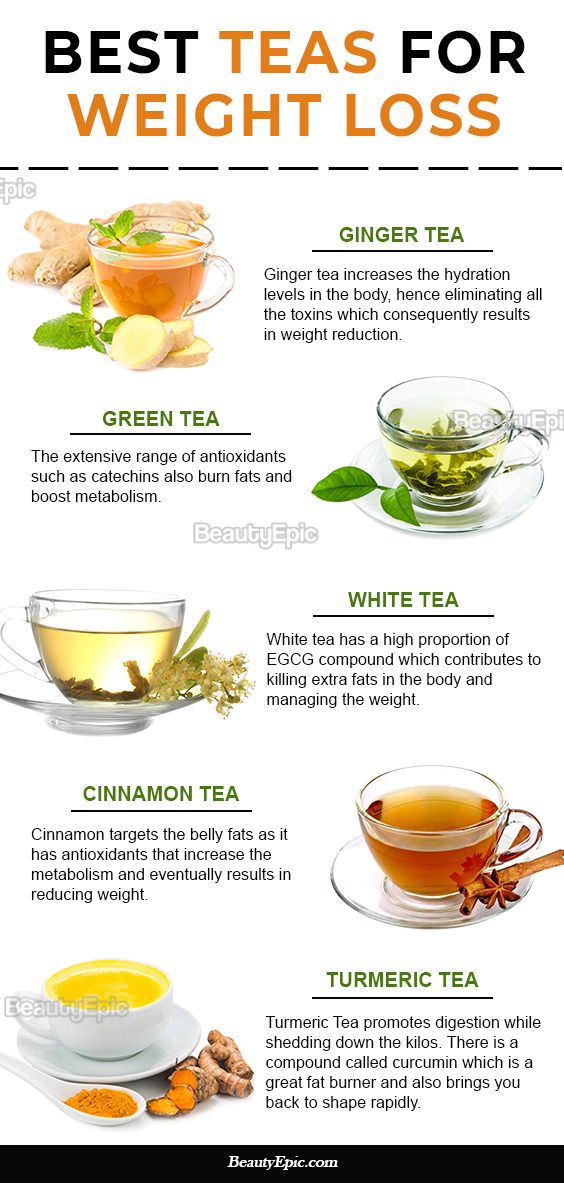
Green tea is well-known for its metabolism-boosting effects. It contains antioxidants called catechins that increase fat burning. Drinking green tea regularly can help support weight loss.
Other teas, such as oolong and black tea, also contain compounds that improve metabolism. These teas boost energy use and aid digestion. Drinking a few cups of these teas daily can help maintain a higher calorie burn.
Other Metabolism-boosting Foods
Protein-rich foods require more energy to digest, which raises metabolism temporarily. Eggs, lean meats, beans, and dairy are excellent protein sources. Eating protein at every meal helps preserve muscle and increase calorie burn.
Whole grains provide fiber and nutrients that support a healthy metabolism. Foods like brown rice, oats, and quinoa keep energy levels steady. Healthy fats from nuts, seeds, and avocados also help regulate metabolism and hormone balance.
Lifestyle Habits To Support Metabolism
Supporting your metabolism through daily habits plays a key role in sustainable fat loss. Small lifestyle changes can keep your body’s engine running efficiently. Focus on simple habits that fit easily into your routine. These habits help regulate your metabolism and improve overall health.
Importance Of Quality Sleep
Good sleep helps your metabolism work at its best. Lack of sleep slows down the process of burning calories. It also raises hunger hormones, making you eat more. Aim for 7 to 9 hours of restful sleep every night. A consistent sleep schedule supports hormone balance and energy levels.
Stress Management Techniques
Stress triggers hormones that can slow metabolism and increase fat storage. Finding ways to relax lowers these harmful hormones. Try deep breathing, meditation, or light exercise to reduce stress. Even a few minutes each day can make a difference. Managing stress keeps your metabolism steady and healthy.
Hydration And Its Effects
Water plays a vital role in metabolic processes. Drinking enough water helps your body burn calories efficiently. Dehydration can slow down your metabolism and cause fatigue. Aim to drink at least 8 cups of water daily. Staying hydrated supports digestion and toxin removal, boosting metabolism naturally.

Credit: www.amazon.com.be
Supplements And Metabolism
Supplements can offer extra support to boost metabolism and aid fat loss. Many people use them to enhance energy and improve how the body burns calories. Some supplements affect the nervous system, while others influence hormones or digestion. Choosing the right supplements requires understanding their benefits and risks. Science gives clues about which supplements may help and which do not.
Common Metabolism-boosting Supplements
Caffeine is one of the most popular metabolism boosters. It can increase calorie burning and energy levels. Green tea extract contains antioxidants and caffeine, helping to raise metabolism slightly. Capsaicin, found in chili peppers, may increase calorie burn by creating a mild heat effect in the body. L-carnitine helps transport fat into cells for energy use, but its effect on metabolism is small. Protein powders can support muscle growth, which raises resting metabolism over time.
Evaluating Effectiveness And Safety
Not all supplements work the same for everyone. Some show only minor effects on metabolism. Dosage and quality vary between brands. Safety is important—some supplements cause side effects like jitteriness or upset stomach. People with medical conditions should consult a doctor before use. Supplements should not replace healthy eating and exercise. They work best as part of a balanced lifestyle. Reading labels and choosing trusted brands helps avoid harmful ingredients.
Long-term Metabolism Maintenance
Maintaining a healthy metabolism over the long term is key to sustainable fat loss. A faster metabolism helps burn calories efficiently. It prevents weight regain and supports overall energy levels. Consistent habits and lifestyle choices play a vital role in keeping metabolism active. Avoid drastic diets or quick fixes that can harm metabolic health. Instead, focus on steady, science-backed methods that promote lasting changes.
Sustainable Fat Loss Strategies
Choose balanced meals with protein, healthy fats, and fiber. Protein boosts metabolism by increasing calorie burn during digestion. Regular physical activity, including strength training, builds muscle. Muscle tissue burns more calories than fat, even at rest. Drink enough water to support metabolism and help digestion. Get enough sleep to regulate hormones that control appetite and metabolism. Small, consistent habits lead to better long-term results than extreme diets.
Avoiding Metabolic Slowdown
Very low-calorie diets can reduce metabolism and cause muscle loss. Slow metabolism makes it harder to keep fat off. Avoid skipping meals or extreme fasting for long periods. Incorporate strength training to protect muscle mass during weight loss. Manage stress to keep hormone levels balanced. Chronic stress can slow metabolism and increase fat storage. Focus on gradual weight loss to prevent the body from lowering its calorie needs.

Credit: www.amazon.com.be
Conclusion
Boosting your metabolism takes simple, steady actions every day. Focus on eating protein, staying active, and getting enough rest. Small changes add up to lasting fat loss results. Choose habits that support your body naturally and healthily. Remember, patience and consistency matter most for success.
Keep applying these science-backed tips for a healthier you.