


The Mediterranean diet is more than just a way of eating; it’s a lifestyle that emphasizes the importance of fresh, wholesome ingredients and a balanced approach to nutrition. Originating from the countries bordering the Mediterranean Sea, this diet is rich in fruits, vegetables, whole grains, legumes, and healthy fats, particularly olive oil. It encourages you to savor your meals and enjoy the company of family and friends, making dining a social experience rather than a rushed necessity.
By adopting this diet, you not only nourish your body but also embrace a culture that values health, community, and enjoyment. Research has shown that the Mediterranean diet can lead to numerous health benefits, including reduced risk of heart disease, improved brain function, and better weight management. The focus on plant-based foods provides essential vitamins and minerals while promoting overall well-being.
As you explore this dietary approach, you’ll discover that it’s not about strict rules or deprivation; instead, it’s about making informed choices that enhance your health and happiness. With its vibrant flavors and diverse ingredients, the Mediterranean diet invites you to embark on a culinary journey that celebrates both taste and nutrition.
Key Takeaways
- The Mediterranean Diet emphasizes plant-based foods, healthy fats, and moderate amounts of fish and poultry.
- Breakfast options include Greek yogurt with fruit and nuts, whole grain toast with olive oil and tomatoes, or a vegetable omelette.
- Lunch ideas can include a quinoa salad with mixed vegetables, a chickpea and vegetable wrap, or a grilled fish with a side of roasted vegetables.
- Snack choices can include hummus with carrot sticks, a handful of mixed nuts, or a piece of fruit with a small portion of cheese.
- Dinner recipes can include grilled chicken with a Greek salad, whole grain pasta with a tomato and vegetable sauce, or a lentil and vegetable stew.
Breakfast Options
When it comes to breakfast in the Mediterranean diet, you have a plethora of delicious options to choose from. One popular choice is Greek yogurt topped with fresh fruits and a drizzle of honey. This combination not only provides a satisfying start to your day but also packs a protein punch that keeps you feeling full longer.
You might also consider adding a sprinkle of nuts or seeds for an extra crunch and healthy fats. Alternatively, you could whip up a vegetable omelet using eggs, spinach, tomatoes, and feta cheese. This dish is not only flavorful but also loaded with nutrients that will fuel your morning activities.
Another delightful breakfast option is whole grain toast topped with smashed avocado and a sprinkle of sea salt. Avocado is rich in healthy monounsaturated fats and fiber, making it an excellent choice for sustained energy. You can elevate this simple dish by adding sliced tomatoes or a poached egg on top for added protein.
If you prefer something sweet, consider oatmeal made with almond milk and topped with seasonal fruits and a dash of cinnamon. This warm bowl of goodness will keep you cozy while providing essential nutrients to kickstart your day.
Lunch Ideas

For lunch, the Mediterranean diet offers an array of vibrant and satisfying meals that are both nutritious and easy to prepare. A classic option is a Greek salad featuring crisp cucumbers, ripe tomatoes, red onions, Kalamata olives, and feta cheese drizzled with olive oil and lemon juice. This refreshing salad is not only visually appealing but also packed with antioxidants and healthy fats.
Pair it with whole grain pita bread for a complete meal that will keep you energized throughout the afternoon. Another fantastic lunch idea is a quinoa bowl filled with roasted vegetables such as bell peppers, zucchini, and eggplant. Quinoa is a fantastic source of plant-based protein and fiber, making it an excellent base for your meal.
You can enhance the flavor by adding herbs like parsley or basil and a squeeze of lemon juice. If you’re in the mood for something heartier, consider preparing a lentil soup seasoned with garlic, onions, and spices. This comforting dish is not only filling but also rich in nutrients that support your overall health.
Snack Choices
| Snack | Calories | Fat (g) | Carbs (g) | Protein (g) |
|---|---|---|---|---|
| Apple | 95 | 0.3 | 25 | 0.5 |
| Popcorn | 31 | 0.4 | 6 | 1.2 |
| Almonds | 164 | 14 | 6 | 6 |
| Yogurt | 150 | 4 | 17 | 12 |
Snacking can be an enjoyable part of your day when you choose options that align with the Mediterranean diet principles. One delightful choice is hummus served with an assortment of fresh vegetables like carrot sticks, cucumber slices, and bell pepper strips. Hummus is made from chickpeas and tahini, providing a good source of protein and healthy fats while keeping your energy levels stable between meals.
You might also enjoy whole grain crackers topped with tzatziki sauce—a refreshing yogurt-based dip made with cucumbers and garlic. Another great snack option is a handful of mixed nuts or seeds. Nuts such as almonds, walnuts, or pistachios are not only delicious but also packed with healthy fats, protein, and fiber.
They make for a perfect on-the-go snack that can help curb hunger without compromising your health goals. If you’re craving something sweet, consider fresh fruit like figs or berries drizzled with a bit of balsamic glaze for an elegant touch. These snacks are not only satisfying but also contribute to your daily intake of essential nutrients.
Dinner Recipes
Dinner in the Mediterranean diet can be both simple and sophisticated, allowing you to explore various flavors while nourishing your body. One popular dish is grilled salmon drizzled with lemon and olive oil, served alongside a medley of roasted vegetables such as asparagus, carrots, and cherry tomatoes. This meal is rich in omega-3 fatty acids from the salmon and packed with vitamins from the colorful vegetables.
You can enhance the experience by serving it over a bed of fluffy couscous or brown rice. Another delightful dinner option is a traditional ratatouille—a vegetable stew made with eggplant, zucchini, bell peppers, onions, and tomatoes simmered in olive oil and herbs. This dish is not only bursting with flavor but also showcases the beauty of seasonal produce.
Serve it alongside whole grain bread or over polenta for a comforting meal that embodies the essence of Mediterranean cooking. With these dinner recipes, you’ll find that healthy eating can be both satisfying and enjoyable.
Incorporating Fruits and Vegetables
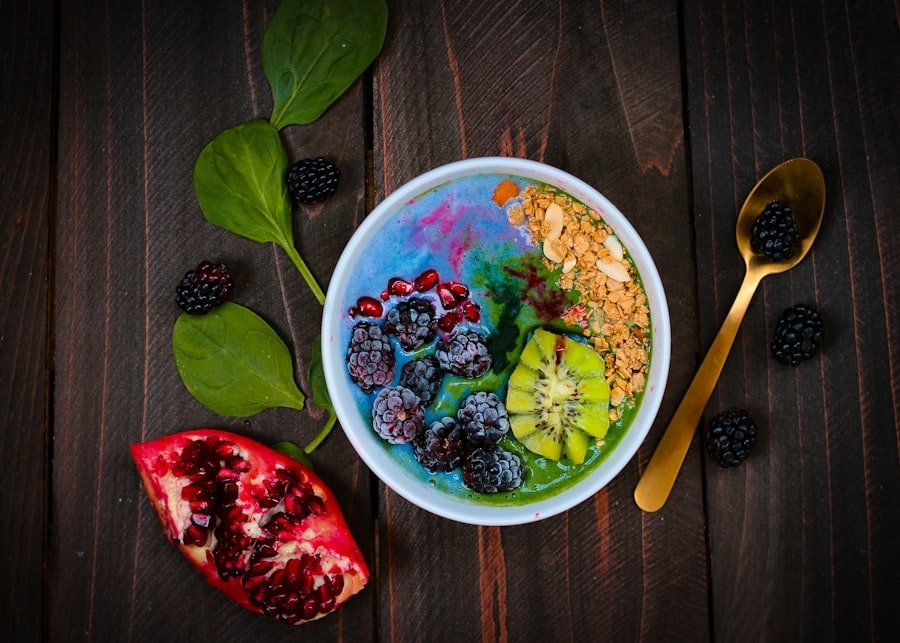
Fruits and vegetables are at the heart of the Mediterranean diet, providing essential vitamins, minerals, and antioxidants that support overall health. To incorporate more of these colorful foods into your meals, aim to fill half your plate with fruits and vegetables at every meal. Start by adding leafy greens like spinach or kale to your salads or smoothies for an extra nutrient boost.
You can also experiment with different cooking methods—roasting vegetables can enhance their natural sweetness while adding depth to their flavor. Don’t forget about seasonal produce! Visiting local farmers’ markets can inspire you to try new fruits and vegetables that are at their peak freshness.
Incorporating a variety of colors on your plate not only makes your meals visually appealing but also ensures you’re getting a wide range of nutrients. For example, pairing orange carrots with green broccoli and red bell peppers creates a vibrant dish that’s as nutritious as it is beautiful.
Including Whole Grains
Whole grains are another cornerstone of the Mediterranean diet that provides essential fiber and nutrients while keeping you feeling full longer. Instead of refined grains like white bread or pasta, opt for whole grain alternatives such as brown rice, quinoa, farro, or whole wheat pasta. These grains are not only more nutritious but also offer a nutty flavor that enhances your meals.
You might consider preparing a hearty grain salad by mixing cooked quinoa with roasted vegetables and a light vinaigrette for a satisfying side dish. Incorporating whole grains into your breakfast can also set a positive tone for the day ahead. Consider switching out sugary cereals for oatmeal topped with fresh fruit or whole grain toast spread with almond butter for added protein.
By making these small changes to include whole grains in your diet, you’ll be supporting your digestive health while enjoying delicious meals that align with Mediterranean principles.
Adding Healthy Fats
Healthy fats play an essential role in the Mediterranean diet, contributing to heart health and overall well-being. Olive oil is the star of this dietary approach; it’s not only versatile but also rich in monounsaturated fats that can help lower bad cholesterol levels. Use olive oil as your primary cooking fat or drizzle it over salads and roasted vegetables for added flavor.
You might also explore other sources of healthy fats such as avocados, nuts, seeds, and fatty fish like salmon or sardines. Incorporating these healthy fats into your meals doesn’t have to be complicated. For instance, adding sliced avocado to your sandwiches or salads can provide creaminess while boosting nutrient content.
Snacking on nuts or seeds can also satisfy cravings while delivering essential fatty acids that support brain health. By embracing healthy fats in your diet, you’ll not only enhance the taste of your meals but also promote long-term health benefits.
Limiting Red Meat and Sweets
While the Mediterranean diet encourages enjoying a variety of foods, it also emphasizes moderation when it comes to red meat and sweets. Instead of making red meat the centerpiece of your meals, consider using it as an accent or flavoring agent in dishes like stews or casseroles. Lean cuts such as chicken or fish can serve as healthier alternatives while still providing protein necessary for your body’s needs.
When it comes to sweets, focus on natural sources of sweetness rather than processed desserts high in sugar. Fresh fruits can satisfy your sweet tooth while providing essential vitamins and minerals without the added sugars found in many desserts. If you do indulge in sweets occasionally, opt for dark chocolate or homemade treats made with wholesome ingredients to keep your choices aligned with Mediterranean principles.
Hydration and Beverages
Staying hydrated is crucial for overall health, especially when following the Mediterranean diet. Water should be your primary beverage choice throughout the day; aim to drink plenty to keep your body functioning optimally. Herbal teas can also be a delightful addition to your hydration routine—try sipping on chamomile or mint tea for relaxation after meals.
When it comes to other beverages, consider incorporating moderate amounts of red wine into your routine if you enjoy it; studies suggest that red wine may offer certain health benefits when consumed in moderation due to its antioxidant properties. However, if alcohol isn’t part of your lifestyle or preference, focus on enjoying fresh fruit juices or infused water with herbs like mint or basil for refreshing alternatives.
Tips for Success
Embarking on the Mediterranean diet can be an exciting journey toward better health and well-being. To set yourself up for success, start by gradually incorporating more plant-based foods into your meals rather than making drastic changes overnight. Experimenting with new recipes can keep things interesting while helping you discover new favorites along the way.
Planning your meals ahead of time can also make it easier to stick to this dietary approach; consider preparing larger batches of grains or roasted vegetables that you can use throughout the week in various dishes. Lastly, remember that enjoying food is an integral part of this lifestyle—take time to savor each bite and appreciate the flavors while sharing meals with loved ones whenever possible. By embracing these tips and focusing on wholesome ingredients, you’ll find yourself thriving on the Mediterranean diet while enjoying every moment of it.