

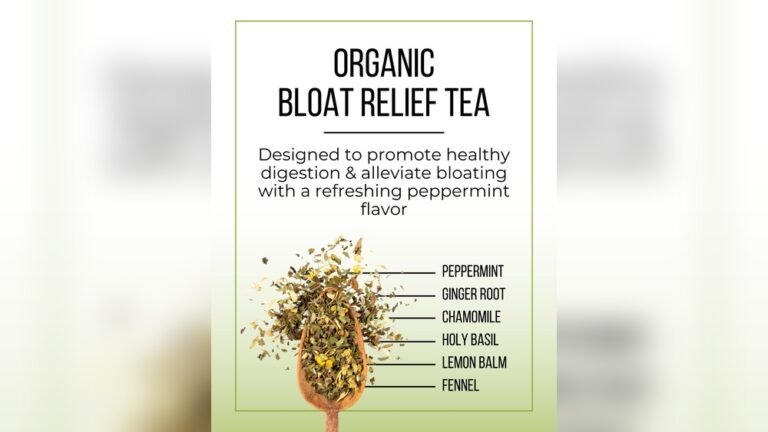
Bloating and weight gain are challenges many people face. Sometimes, these issues come from what you eat. Other times, stress, hormones, or simple lifestyle choices are to blame. But did you know that your daily cup of tea might help? Across the world, people use tea not just for taste but for health. Some teas are known for fighting bloating and helping with weight loss. But do they really work? And if so, which teas are best?
This guide explores the science behind tea, bloating, and weight loss. You’ll learn how certain teas soothe your stomach, help your body process food, and even support fat burning. Whether you’re looking for a simple home solution or want to add a new healthy habit, you’ll find honest answers here.
Let’s see how a humble cup of tea can make a difference in your everyday life.
What Causes Bloating And Weight Gain?
Understanding the problem is the first step. Bloating happens when your stomach feels full or tight. It can make your belly look bigger and feel uncomfortable. Common causes are:
- Eating too fast or too much
- Foods high in salt, sugar, or fat
- Carbonated drinks
- Stress or anxiety
- Food intolerances (like lactose or gluten)
- Hormonal changes, especially in women
Weight gain is more complex. It can be from extra calories, not moving enough, or even health problems like thyroid issues. But sometimes, water retention and bloating can make you feel heavier, even if you’re not gaining fat.
Here’s a quick look at how bloating and weight gain differ:
| Factor | Bloating | Weight Gain |
|---|---|---|
| Main Cause | Gas, water retention, digestion | Extra fat, muscle, or water |
| Time Frame | Short-term (hours to days) | Long-term (weeks, months, years) |
| Fixes | Diet changes, teas, exercise | Diet, exercise, medical help |
One thing is clear: feeling bloated or gaining weight can both make you uncomfortable and less confident. That’s why many people look for natural, safe ways to help.
Why Tea Works For Bloating And Weight Loss
Tea is not just a warm drink. It’s full of plant compounds that help your body in many ways. Some teas:
- Calm your stomach and reduce gas
- Help your body remove extra water and salt
- Boost digestion, so food moves smoothly
- Increase metabolism, so you burn more calories
Many teas also have antioxidants. These fight inflammation, which is often linked to bloating and weight gain. Unlike pills or harsh treatments, tea is gentle and easy to add to your daily routine.
But not all teas are the same. Some work better for bloating, others for weight loss. The best results come from the right tea, at the right time, in the right amount.
Top Teas For Bloating Relief
Not every tea helps with bloating. Here are the most effective choices, with reasons why they work.
1. Peppermint Tea
Peppermint tea is famous for soothing stomach problems. The natural oils in peppermint relax the muscles in your gut. This helps gas move out, reducing pressure and bloating.
- Best time to drink: After meals
- Taste: Cool, refreshing, slightly sweet
- Extra tip: Avoid if you have acid reflux, as peppermint can make it worse
2. Ginger Tea
Ginger is used worldwide to help with nausea and stomach pain. Ginger tea speeds up how quickly your stomach empties. This means less gas and swelling.
- Best time to drink: Before or after a heavy meal
- Taste: Spicy and warming
- Non-obvious insight: Fresh ginger root is stronger than teabags
3. Fennel Tea
Fennel seeds are common in Indian and Middle Eastern cooking. Fennel tea helps relax muscles in the gut and prevents gas.
- Best time to drink: After eating, especially dinner
- Taste: Slightly sweet, like licorice
- Extra tip: Chewing fennel seeds after meals is also common in some cultures
4. Chamomile Tea
Chamomile is known for helping people sleep, but it also calms the stomach. It reduces cramps and relaxes the digestive system.
- Best time to drink: Before bed or during stress
- Taste: Mild, floral, relaxing
- Non-obvious insight: Chamomile may also help with anxiety-related bloating
5. Dandelion Tea
Dandelion is a natural diuretic. This means it helps your body get rid of extra water, which reduces bloating.
- Best time to drink: In the morning
- Taste: Earthy and slightly bitter
- Warning: Don’t use if you have kidney problems or take water pills
6. Lemon Balm Tea
Lemon balm is related to mint. Its tea can ease stomach pain and reduce bloating caused by stress.
- Best time to drink: After stressful events or meals
- Taste: Light, lemony, fresh
- Extra tip: Good for nervous stomachs
7. Green Tea
Green tea is often linked with weight loss, but it also helps with bloating. It has mild diuretic effects, helping the body flush out water.
- Best time to drink: Between meals
- Taste: Grassy, light, sometimes bitter
- Non-obvious insight: Green tea contains L-theanine, which calms nerves and may help with stress-induced bloating
Top Teas For Weight Loss
Some teas do more than reduce bloating. They can also help your body burn fat or control hunger.
1. Green Tea
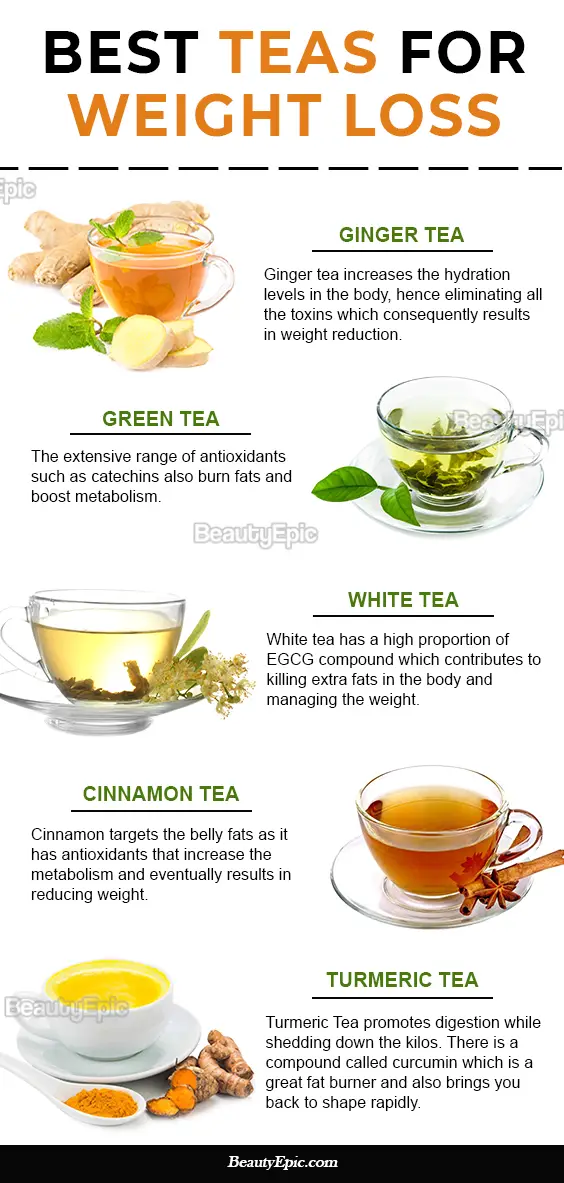
Green tea is the most studied tea for weight loss. Its catechins and caffeine boost metabolism. Studies show it can help burn more calories, especially when combined with exercise.
- How it works: Increases fat burning, especially during workouts
- Best time to drink: Morning or before exercise
- Non-obvious insight: Drinking 3-5 cups daily gives the best effect, but don’t overdo it to avoid caffeine side effects
2. Oolong Tea
Oolong tea is half-way between green and black tea. It boosts metabolism and helps break down fat.
- Study data: Some research shows oolong can increase calorie burn by 2.9% more than water
- Best time to drink: Early afternoon
- Taste: Smooth, floral, sometimes toasty
3. Black Tea
Black tea has special plant compounds called polyphenols. These change the bacteria in your gut, which may help with weight control.
- Best time to drink: With breakfast or lunch
- Taste: Rich, bold, sometimes malty
4. Pu-erh Tea
Pu-erh is a fermented Chinese tea. It may block fat absorption and help lose weight. One study found people who drank pu-erh lost more weight than those who drank water.
- Best time to drink: After a fatty meal
- Taste: Earthy, deep, unique
5. White Tea
White tea is the least processed. It may stop new fat cells from forming, according to lab studies.
- Best time to drink: Afternoon
- Taste: Delicate, sweet, light
6. Hibiscus Tea
Hibiscus tea is bright red and full of antioxidants. Studies show it can lower body weight, body fat, and BMI in overweight people.
- Best time to drink: Cold or hot, anytime
- Taste: Tart, fruity
7. Yerba Mate
Yerba mate is popular in South America. It boosts energy and reduces appetite. Some studies show it helps burn belly fat.
- Best time to drink: Morning or before workouts
- Taste: Grassy, herbal, slightly bitter
8. Rooibos Tea
Rooibos is a red tea from South Africa. It contains aspalathin, which may lower stress hormones that trigger hunger.
- Best time to drink: Evening (caffeine-free)
- Taste: Sweet, nutty
9. Matcha
Matcha is a powdered green tea, so you drink the whole leaf. It has more antioxidants and caffeine than regular green tea.
- Best time to drink: Before exercise
- Taste: Creamy, grassy, strong
Here’s a side-by-side comparison of popular teas for weight loss:
| Tea | Main Benefit | Caffeine |
|---|---|---|
| Green Tea | Boosts metabolism | Yes |
| Oolong Tea | Increases fat burning | Yes |
| Black Tea | Improves gut health | Yes |
| Pu-erh Tea | Blocks fat absorption | Yes (low) |
| White Tea | Prevents new fat cells | Yes (low) |
| Hibiscus | Lowers body fat | No |
| Yerba Mate | Suppresses appetite | Yes |
| Rooibos | Controls stress hormones | No |
| Matcha | Strong antioxidant, high caffeine | Yes (high) |

Credit: www.amazon.com
How To Brew Tea For Maximum Benefits
Making tea the right way matters. The taste and health benefits depend on water temperature, steeping time, and the amount of tea you use.
Best Practices
- Use fresh, filtered water.
- Boil water, but let it cool slightly for green or white teas (they burn easily).
- Use about 1 teaspoon of loose leaf or 1 teabag per cup.
- Steep 3–5 minutes (herbal teas can go longer).
- Don’t add sugar or cream; a slice of lemon or a little honey is OK.
Here’s a quick guide:
| Tea Type | Water Temp | Steep Time |
|---|---|---|
| Green Tea | 80°C (176°F) | 2–3 min |
| Black Tea | 100°C (212°F) | 3–5 min |
| Herbal Tea | 100°C (212°F) | 5–7 min |
| Oolong Tea | 90°C (194°F) | 3–5 min |
| White Tea | 80°C (176°F) | 2–4 min |
Non-obvious insight: Over-steeping can make tea bitter and reduce some health benefits. Use a timer for best results.
How Much Tea Should You Drink?
For most teas, 2–4 cups per day is safe and effective. More is not always better. Too much caffeine can cause headaches, trouble sleeping, or heart racing. Herbal teas (like peppermint or chamomile) are usually safe in larger amounts, but check for allergies.
Some teas (like dandelion or hibiscus) can act as diuretics. If you notice too many bathroom trips, cut back.
Practical tip: Start with one cup per day. See how your body feels. Increase slowly, but don’t force yourself.
Credit: www.ctcd.edu
Risks, Side Effects, And When To Avoid Tea
Most teas are safe for healthy adults. But some groups should be careful:
- Pregnant women (some herbs are not safe)
- People with kidney or heart problems (avoid strong diuretics like dandelion)
- Those with caffeine sensitivity (choose herbal or decaf teas)
- People taking medicines that interact with tea (like blood thinners)
Non-obvious insight: Some teas (especially green and black) can stop your body from absorbing iron if you drink them with meals. If you’re low on iron, drink tea between meals.
If you feel stomach pain, nausea, or other side effects, stop and ask a doctor. Tea is not a cure for serious health problems.
Combining Tea With Other Healthy Habits
Tea works best when combined with other good habits:
- Eat slowly and chew well to avoid swallowing air
- Choose fresh fruits, veggies, and lean proteins
- Limit salty, sugary, and processed foods
- Move your body every day (walk, dance, stretch)
- Get enough sleep
- Manage stress (yoga, breathing, or simply relaxing with a cup of tea)
Extra tip: Don’t expect tea alone to give big results. Think of it as a helpful tool, not a magic fix.
Myths And Facts About Tea, Bloating, And Weight Loss
With so many products and promises, it’s easy to get confused. Here are truths you should know:
- Tea can help with mild bloating and support weight loss, but it will not make you lose 10 kg in a week.
- Detox teas that promise fast weight loss often contain strong laxatives. They can cause dehydration and are not safe for long-term use.
- Drinking tea without changing your diet or lifestyle will give only small results.
- There is no “one best tea” for everyone. Listen to your body and choose what works for you.
Recipes: How To Make Tea For Bloating And Weight Loss
Trying different teas can be fun. Here are two simple recipes you can try at home.
Ginger-peppermint Tea For Bloating
Ingredients:
- 1 slice fresh ginger (about 2 cm)
- 1 peppermint teabag (or 1 teaspoon dried peppermint)
- 2 cups hot water
- Optional: Lemon slice
Steps:
- Place ginger and peppermint in a cup.
- Pour hot water (not boiling) over them.
- Cover and steep for 5–7 minutes.
- Strain and add lemon if you like.
- Drink after meals for best results.
Green Tea With Lemon For Weight Loss
Ingredients:
- 1 green tea bag (or 1 teaspoon loose leaf)
- 2 cups hot water (about 80°C)
- 2 slices fresh lemon
Steps:
- Place tea in a cup.
- Pour water over tea; let steep for 2–3 minutes.
- Remove tea bag/leaves.
- Add lemon slices.
- Drink in the morning or before exercise.

Credit: www.granniskitchen.com
What Beginners Often Miss
Many people focus only on buying “slimming teas” and forget about the basics. Here are two important things beginners miss:
- Water intake matters: Tea helps if you’re well-hydrated. Too little water makes bloating and weight loss harder, even if you drink tea.
- Tea quality is important: Cheap, flavored teas often have less of the helpful plant compounds. Choose good quality loose leaf or pure teabags.
Scientific Evidence: Does Tea Really Help?
Most studies show small but real benefits. For example, a 2013 study in the *Journal of Nutrition* found that green tea catechins helped people lose more belly fat when combined with exercise. Another study from 2016 found that hibiscus tea lowered body weight and BMI in overweight adults.
However, results are not huge. Tea works best as a support, not as the main solution. For more details, see this research summary on green tea and weight loss.
Frequently Asked Questions
Is It Safe To Drink Tea Every Day For Bloating And Weight Loss?
Yes, for most people, drinking tea daily is safe. Choose caffeine-free teas if you are sensitive, and don’t overdo it. Listen to your body and stop if you feel any side effects.
Which Tea Is Best For Fast Bloating Relief?
Peppermint and ginger tea work fastest for most people. They relax your gut and help move gas out quickly. Try them after heavy meals.
Can I Drink Tea On An Empty Stomach?
Some teas, like green or black, may upset your stomach if taken on an empty stomach. Herbal teas (peppermint, chamomile) are usually gentle. Start with small amounts to see how your body reacts.
Will Tea Alone Help Me Lose Weight?
No, tea alone will not cause big weight loss. It works best with healthy eating and exercise. Use tea as a support, not a replacement for good habits.
How Long Before I See Results From Drinking Tea?
Some people feel less bloated in a few hours after drinking the right tea. For weight loss, it may take several weeks of regular use and healthy habits to see changes.
A simple cup of tea can do more than warm your hands. With the right choices, it can help you feel lighter and more comfortable. While tea is not a magic fix, it’s a safe, enjoyable way to support your journey to better health.
Try different teas, listen to your body, and make small changes that last. Remember, the best results come from patience, consistency, and smart choices.