

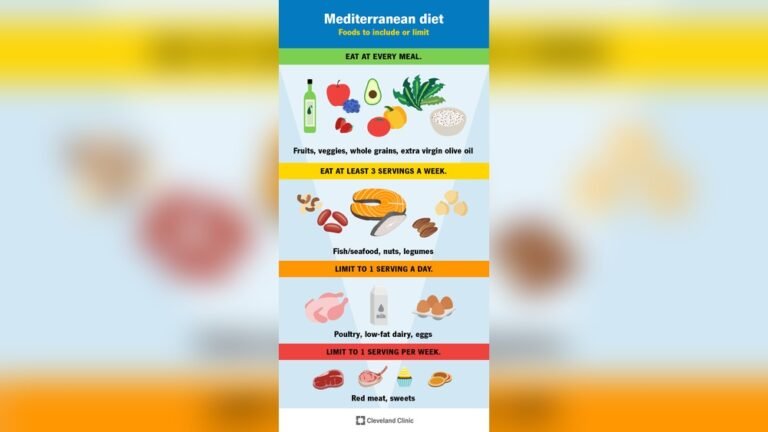
Are you tired of complicated diets that leave you hungry and frustrated? What if you could enjoy delicious meals that actually help you shed pounds without feeling deprived?
The secret lies in choosing the right foods—those that boost your metabolism, keep you full longer, and fuel your body with the nutrients it needs. You’ll discover the best foods for weight loss and simple ways to include them in your daily meals.
Ready to make weight loss easier and more enjoyable? Keep reading to find out how small changes to your plate can lead to big results.

Credit: www.health.harvard.edu
Top Weight Loss Foods
Choosing the right foods can help you lose weight effectively. Foods that fill you up with fewer calories support fat loss. They also provide important nutrients your body needs every day. Eating a mix of protein, fiber, healthy fats, and low-calorie fruits creates balanced meals. These foods keep hunger away and give you energy for daily activities.
High-protein Choices
Protein helps build muscles and keeps you full longer. Good sources include lean meats like chicken and turkey. Fish such as salmon and tuna offer protein plus healthy omega-3 fats. Eggs and low-fat dairy products like yogurt and cottage cheese are also excellent. Beans, lentils, and peas provide plant-based protein and fiber. Add these to meals to control hunger and support weight loss.
Fiber-rich Vegetables
Vegetables high in fiber fill your stomach without many calories. Broccoli, spinach, kale, and Brussels sprouts are top choices. Fiber slows digestion, making you feel full longer. These vegetables also add vitamins and minerals to your diet. Include a variety of colorful veggies in salads, soups, and stir-fries for better results.
Healthy Fats
Healthy fats support brain function and hormone balance. Avocados, nuts, and seeds contain good fats that help with weight control. Olive oil and fatty fish provide omega-3 fatty acids. Use these fats in moderation to enhance flavor and satiety. Replace unhealthy fats with these better options for a nutritious diet.
Low-calorie Fruits
Fruits low in calories satisfy sweet cravings without excess energy. Berries, apples, peaches, and melons are rich in water and fiber. These fruits hydrate your body and help digestion. Enjoy them fresh or in smoothies and salads. They make great snacks that support weight loss goals.

Credit: www.youtube.com
Benefits Of These Foods
Choosing the best foods for weight loss offers more than just fewer calories. These foods provide multiple health benefits. They help control hunger, support metabolism, and deliver essential nutrients. Including them in daily meals makes weight loss easier and healthier. Understanding these benefits helps you make better food choices.
Satiety And Appetite Control
Foods high in protein and fiber keep you full longer. This reduces the urge to snack between meals. Feeling satisfied helps prevent overeating. For example, beans, lentils, and lean meats promote satiety. Eating these foods supports steady energy levels. You stay focused and avoid cravings throughout the day.
Metabolism Boost
Certain foods increase your body’s calorie-burning ability. Protein-rich foods require more energy to digest, which boosts metabolism. Spices like chili peppers also raise metabolic rate slightly. A faster metabolism helps burn fat more efficiently. Including these foods can aid in weight loss efforts.
Nutrient Density
Best weight loss foods offer high nutrients with low calories. Vegetables, fruits, lean proteins, and whole grains supply vitamins and minerals. These nutrients support overall health and energy. Eating nutrient-dense foods prevents nutrient deficiencies. This helps maintain muscle and improves body function during weight loss.
Incorporating Foods Daily
Incorporating weight loss-friendly foods into daily meals helps create lasting habits. Choosing foods rich in protein, fiber, and healthy fats supports fullness and energy. Regularly including these foods improves metabolism and controls hunger. Below are simple ways to use these foods in your daily routine.
Breakfast Ideas
Start with eggs or egg whites for a protein boost. Add vegetables like spinach or tomatoes for fiber and nutrients. Try oatmeal topped with berries and a spoonful of nuts. Greek yogurt with fresh fruit makes a quick, filling meal. These choices keep you full and ready for the day.
Lunch And Dinner Options
Choose lean meats like chicken, turkey, or fish for main dishes. Add a side of steamed or roasted vegetables for fiber and vitamins. Use beans or lentils as a plant-based protein alternative. Whole grains like brown rice or quinoa provide lasting energy. Keep portions balanced to avoid overeating.
Healthy Snacks
Snack on raw nuts or seeds for healthy fats and protein. Fresh fruit or cut vegetables offer vitamins and fiber with low calories. Low-fat yogurt or cottage cheese can satisfy hunger between meals. Avoid processed snacks with added sugars or unhealthy fats. These options help maintain energy and control cravings.
Meal Planning Tips
Planning your meals carefully plays a big role in weight loss success. It helps control portions and ensures you eat the right nutrients. A simple plan keeps you on track and reduces stress around food choices. Here are some easy tips to make meal planning work for you.
Balanced Meal Structure
Every meal should include protein, healthy fats, and carbohydrates. Protein helps build muscle and keeps you full longer. Healthy fats support your brain and heart. Carbs give you energy, especially from vegetables and whole grains. Aim to fill half your plate with veggies for fiber and vitamins. This balance controls hunger and keeps your energy steady throughout the day.
Hydration Importance
Drinking enough water is key for weight loss. Water helps your body burn fat and reduces hunger. Start your day with a glass of water. Sip water before meals to avoid overeating. Keep a bottle nearby to remind yourself to drink often. Avoid sugary drinks that add extra calories without filling you up.
Simplified Grocery Lists
Make shopping easier with a short, focused grocery list. Choose whole foods like lean meats, beans, fresh vegetables, and fruits. Add healthy fats such as nuts, seeds, and olive oil. Avoid buying processed snacks or sugary items. Planning your list saves time and money. It also stops impulse buys that can hurt your weight loss goals.
Common Mistakes To Avoid
Avoiding common mistakes can make weight loss easier and more effective. Many people choose healthy foods but still struggle to lose weight. Small errors can stop progress and cause frustration. Understanding these pitfalls helps you stay on track and get better results.
Skipping Meals
Skipping meals slows your metabolism and increases hunger later. This often leads to overeating at the next meal. Eating regular meals keeps energy steady and hunger controlled. Aim for three balanced meals daily to support weight loss.
Overeating Healthy Foods
Healthy foods can still add too many calories if eaten in large amounts. Nuts, avocados, and olive oil are nutritious but high in calories. Measure servings to avoid eating more than needed. Focus on quality, not just quantity of food.
Ignoring Portion Sizes
Portion control is key for weight loss. Large portions increase calorie intake without you noticing. Use smaller plates and bowls to help control portions. Listen to your body and stop eating when you feel full.
:max_bytes(150000):strip_icc()/Simple-1200-Calorie-Meal-Plan-30-Day-Week-3-horizontal-low-9f926c1f40104c459f04f3dae720236a.jpg)
Credit: www.eatingwell.com
Lifestyle Habits For Weight Loss
Building healthy lifestyle habits supports weight loss effectively. Small, steady changes lead to lasting results. Combining good food choices with daily routines creates a balanced path to shed pounds. Focus on simple habits that fit your life and keep you consistent.
Regular Physical Activity
Moving your body each day burns calories and boosts metabolism. Aim for at least 30 minutes of moderate exercise, such as walking, cycling, or swimming. Regular activity helps maintain muscle mass and improves mood. Find activities you enjoy to stay motivated and active consistently.
Consistent Meal Timing
Eating meals at regular times helps control hunger and energy levels. Try to have three balanced meals daily with protein, healthy fats, and fiber-rich carbs. Avoid skipping meals to prevent overeating later. Consistency in meal timing supports better digestion and stable blood sugar.
Mindful Eating Practices
Pay attention to hunger and fullness signals to avoid overeating. Eat slowly, savor each bite, and reduce distractions like phones or TV. Mindful eating helps you enjoy food more and recognize true hunger. This habit reduces emotional eating and encourages better food choices.
Conclusion
Choosing the best foods for weight loss helps you eat smart and stay full. Include lean proteins, fiber-rich veggies, and healthy fats in meals daily. Drink plenty of water to support digestion and control hunger. Plan simple meals with balanced nutrients to keep energy steady.
Small changes build strong habits over time. Enjoy variety to avoid boredom and stick to your goals. Consistency matters more than perfection for lasting results. Keep meals easy, tasty, and nourishing for your body’s needs. Your weight loss journey becomes easier with good food choices every day.