


Are you struggling to lose weight despite your best efforts with diet and exercise? What if the secret to shedding those extra pounds isn’t just about what you eat or how much you move, but also how well you sleep?
Sleep plays a powerful role in your body’s ability to burn fat, control hunger, and make healthier choices throughout the day. You’ll discover why quality sleep is a crucial, often overlooked factor in weight loss and learn simple, practical tips to improve your sleep habits starting tonight.
Keep reading to unlock the key to boosting your weight loss journey by getting the rest your body truly needs.

Credit: health.ucdavis.edu
Sleep And Weight Loss Link
Sleep plays a crucial role in weight loss. Poor sleep can lead to weight gain and make losing pounds harder. The quality and amount of sleep affect how the body controls hunger and uses energy. Understanding this link helps create better habits for both sleep and weight management.
How Sleep Regulates Appetite
Sleep controls the signals that tell us when to eat. Lack of sleep makes the brain crave more food, especially high-calorie snacks. This happens because sleep affects the brain areas that control hunger and reward. Good sleep helps keep appetite balanced and prevents overeating.
Impact On Metabolism
Metabolism is how the body burns calories for energy. Poor sleep slows down metabolism, which means the body burns fewer calories. This can lead to weight gain even without eating more. Getting enough rest boosts metabolism and helps the body use energy efficiently.
Hormones Affecting Hunger And Fullness
Two main hormones control hunger: ghrelin and leptin. Ghrelin increases appetite, while leptin signals fullness. Lack of sleep raises ghrelin levels and lowers leptin levels. This hormone imbalance causes stronger hunger and less feeling of fullness. Proper sleep keeps these hormones balanced for better weight control.
Effects Of Poor Sleep
Poor sleep has a strong impact on weight loss efforts. It affects the body’s ability to manage hunger, store fat, and regulate metabolism. Lack of rest leads to changes in hormones that control appetite and energy use. These changes make it harder to lose weight and easier to gain it back. Understanding how poor sleep influences these factors helps improve weight loss results.
Increased Cravings And Overeating
Sleep deprivation raises levels of the hunger hormone ghrelin. At the same time, it lowers leptin, the hormone that signals fullness. This imbalance causes stronger cravings for sugary and fatty foods. People tend to eat more calories than needed. Overeating becomes common, especially late at night. These habits slow down weight loss and add extra pounds.
Fat Storage And Weight Gain
Poor sleep affects how the body stores fat. It causes insulin resistance, which means the body struggles to use sugar properly. Excess sugar turns into fat and gets stored, especially around the belly. This fat storage increases the risk of weight gain. Even with a healthy diet, poor sleep can make losing fat difficult.
Sleep Deprivation And Obesity Risk
Chronic lack of sleep is linked to a higher chance of obesity. It disrupts metabolism and slows down the body’s calorie-burning process. People who sleep less often have higher body mass indexes (BMI). Poor sleep also reduces physical activity and motivation to exercise. These factors combine, increasing the risk of becoming obese over time.
Optimal Sleep Positions
Choosing the right sleep position impacts weight loss and overall health. Optimal sleep positions improve rest quality and support body functions. Proper posture during sleep helps regulate hormones tied to hunger and metabolism. It also reduces discomfort and swelling that can hinder weight loss efforts.
Benefits Of Side Sleeping
Side sleeping keeps your spine aligned and reduces snoring. It improves blood flow and lowers acid reflux risks. This position enhances sleep quality, which supports hormone balance for weight loss. Side sleeping also eases pressure on your back and joints. Better rest helps you feel energized and control cravings during the day.
Left Side Advantages For Digestion
Sleeping on the left side aids digestion and nutrient absorption. It allows gravity to help move food through the digestive tract smoothly. This position reduces acid reflux and heartburn symptoms. Improved digestion supports metabolism and reduces fat storage. Left side sleeping also benefits the lymphatic system, which removes waste from the body.
Reducing Swelling Through Sleep Posture
Proper sleep posture helps prevent swelling in legs and feet. Side sleeping improves circulation and reduces fluid buildup. Elevating your legs slightly while resting on your side boosts this effect. Less swelling means less discomfort and better mobility. Good circulation supports fat burning and overall weight loss progress.
Sleep Duration And Quality
Sleep duration and quality are vital for effective weight loss. Both affect how your body burns calories and controls hunger. Poor sleep can lead to weight gain and make losing weight harder.
Understanding the right amount of sleep and its quality helps improve your weight management efforts. Better sleep habits support healthier choices and boost your metabolism.
Recommended Hours For Adults
Adults need between 7 to 9 hours of sleep each night. Less than 7 hours can disrupt hormone balance. More than 9 hours may also affect your health negatively. Sticking to a consistent sleep schedule helps your body function well.
Signs Of Poor Sleep Quality
Waking up tired is a common sign of poor sleep. Difficulty falling asleep or staying asleep also indicates low sleep quality. Feeling sleepy during the day and trouble focusing are other signs. These issues can lead to unhealthy eating habits and weight gain.
Effects On Weight Management
Poor sleep increases hunger hormone levels and decreases fullness hormones. This imbalance causes cravings for sugary and high-fat foods. It slows down metabolism, making fat burning less efficient. Good sleep improves energy levels and supports better food choices.
Sleep Habits To Boost Weight Loss
Good sleep habits support weight loss by improving metabolism and reducing cravings. Consistent sleep helps regulate hunger hormones, making it easier to control appetite. Building a healthy sleep routine can boost your weight loss efforts naturally.
Creating A Consistent Sleep Schedule
Set a regular bedtime and wake-up time every day. Your body’s internal clock adjusts to this rhythm. This consistency helps improve sleep quality and duration. Better sleep supports hormone balance and energy for exercise. Avoid large variations in your sleep schedule, even on weekends.
Pre-bedtime Routines To Enhance Sleep
Develop calming habits before bed to signal your body to relax. Try reading a book or taking a warm bath. Avoid heavy meals or intense exercise close to bedtime. These steps prepare your mind and body for deep, restful sleep. A peaceful routine lowers stress, helping you fall asleep faster.
Limiting Screen Time And Stimulants
Turn off phones, tablets, and computers at least one hour before sleep. Blue light from screens disrupts melatonin, the sleep hormone. Avoid caffeine and nicotine late in the day as they keep you awake. Choose herbal tea or water in the evening instead. Reducing these disruptors improves sleep quality and supports weight loss.

Credit: www.sleepfoundation.org
Nutrition And Hydration Tips
Nutrition and hydration greatly impact sleep quality and weight loss. Proper eating habits keep blood sugar steady and reduce hunger. Drinking enough water helps your metabolism work well. Avoiding late-night snacks prevents sleep disruption and extra calorie intake.
Balanced Meals For Stable Blood Sugar
Eat three balanced meals daily with protein, healthy fats, and carbs. This balance keeps blood sugar levels stable throughout the day. Stable blood sugar reduces cravings and prevents overeating at night. Choose whole foods like vegetables, lean meats, and whole grains. Avoid sugary and processed foods that spike blood sugar quickly.
Hydration’s Role In Metabolism
Drink water regularly, especially earlier in the day. Hydration supports your metabolism and helps your body burn calories efficiently. Being well-hydrated also reduces hunger and promotes better digestion. Avoid sugary drinks and caffeine late in the day as they can disrupt sleep.
Avoiding Late-night Snacking
Try to finish eating at least two to three hours before bedtime. Late-night snacks can raise blood sugar and insulin levels, disturbing sleep. They also add extra calories that hinder weight loss. If hunger strikes, choose light, healthy options like a small handful of nuts or a piece of fruit.
Exercise And Sleep Quality
Exercise plays a key role in improving sleep quality, which supports weight loss efforts. Physical activity helps the body relax and prepares it for restful sleep. Better sleep boosts metabolism and controls hunger hormones. This creates a positive cycle that aids in losing weight.
Timing Workouts For Better Sleep
Choosing the right time to exercise affects how well you sleep. Morning workouts energize you and help set a daily rhythm. Evening workouts can relax muscles but may keep some people awake if done too close to bedtime. Aim to finish exercise at least two hours before sleep. This helps your body cool down and wind down naturally.
Gym-free Workouts To Support Weight Loss
Exercise does not require a gym. Simple workouts at home or outside improve sleep and burn calories. Try bodyweight exercises like squats, push-ups, and lunges. Walking, jogging, or yoga also enhance sleep quality. These activities increase heart rate, reduce stress, and promote deeper sleep stages.
Exercise’s Effect On Sleep Hormones
Physical activity influences hormones that control sleep and appetite. Exercise raises melatonin, the hormone that signals sleep time. It also lowers cortisol, the stress hormone that can disrupt rest. Balanced hormone levels help reduce cravings and improve metabolism. Regular workouts keep these hormones steady, supporting weight loss and good sleep.
Calorie Deficit And Sleep
Creating a calorie deficit is key to weight loss. It means burning more calories than you eat. Sleep plays a crucial role in this process. Lack of sleep can affect hunger hormones and metabolism. This makes it harder to maintain a calorie deficit. Understanding the link between calorie deficit and sleep helps improve both weight loss and rest.
Impact Of Restrictive Diets On Sleep
Strict diets often limit calories too much. This can cause stress and anxiety in the body. Stress raises cortisol levels, which disrupt sleep patterns. Low energy intake also reduces serotonin, a hormone needed for good sleep. Poor sleep then makes it harder to stick to the diet. This cycle can slow down weight loss progress.
Weight Cycling And Sleep Disruption
Weight cycling means losing and regaining weight repeatedly. This pattern can harm sleep quality. Frequent dieting changes body signals for hunger and fullness. These changes confuse the brain and disrupt sleep cycles. Poor sleep increases cravings for high-calorie foods. This leads to more weight gain and continued cycling.
Balancing Diet For Restorative Sleep
A balanced diet supports both weight loss and sleep. Include protein, healthy fats, and complex carbs in meals. These nutrients stabilize blood sugar and reduce hunger at night. Avoid heavy meals close to bedtime to prevent discomfort. Drinking enough water during the day helps metabolism and sleep. Balanced eating creates a steady calorie deficit and better rest.
Building Sustainable Sleep Habits
Building sustainable sleep habits is key to supporting weight loss efforts. Consistent, quality sleep improves hormone balance and controls appetite. Creating habits that last helps maintain a healthy weight over time. Small, daily actions can make a big difference in your sleep and overall health.
Reducing Decision Fatigue
Decision fatigue drains your energy and affects sleep quality. Simplify choices before bedtime to relax your mind. Set a fixed bedtime and wake-up time to reduce nightly decisions. Avoid screens and bright lights in the evening to ease your brain. Less mental effort helps your body prepare for deep sleep.
Establishing Healthy Routines
Routines train your body to expect rest at certain times. Create a calming pre-sleep ritual, such as reading or light stretching. Keep your bedroom cool, dark, and quiet for better rest. Avoid heavy meals and caffeine close to bedtime. Healthy routines signal your brain that it’s time to unwind.
Long-term Benefits For Weight Control
Consistent sleep habits support steady weight management. Good sleep balances hunger hormones like ghrelin and leptin. You feel less hungry and crave fewer unhealthy foods. Sleep also boosts metabolism and helps burn calories efficiently. Over time, better sleep habits lead to easier weight control and improved health.
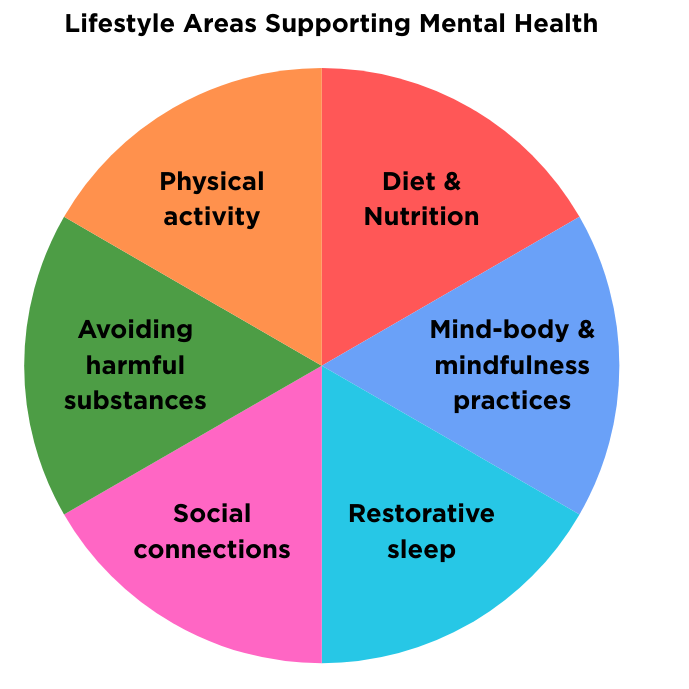
Credit: www.psychiatry.org
Conclusion
Good sleep supports your weight loss goals effectively. It helps control hunger and boosts metabolism naturally. Improving your sleep habits can reduce cravings for unhealthy foods. Try to keep a regular sleep schedule each night. Create a calm, dark, and quiet bedroom environment.
Avoid screens and heavy meals before going to bed. Small changes lead to better rest and healthier weight. Prioritize sleep as part of your wellness routine today. Better sleep means a healthier, happier you.