

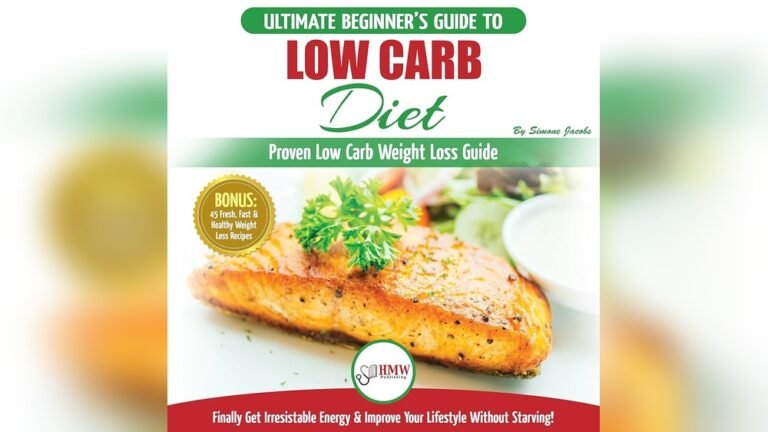
Are you tired of complicated diets that leave you hungry, frustrated, or confused? What if losing weight didn’t mean counting every calorie or cutting out your favorite foods?
This guide is designed just for you—to help you shed pounds in a healthy way without ever stepping on a restrictive diet. You’ll discover simple, proven habits that fit into your daily life and boost your energy, mood, and confidence.
Ready to learn how to lose weight naturally, enjoy your meals, and feel great in your own skin? Keep reading—your journey to healthy weight loss starts here.

Credit: shop.forksoverknives.com
Healthy Habits Over Diets
Choosing healthy habits over dieting creates lasting change. Diets often focus on short-term rules. Healthy habits build a foundation for lifelong wellness.
Small, daily habits shape your body’s natural balance. They improve energy, mood, and weight without strict restrictions. This approach feels natural and less stressful.
Why Avoid Dieting
Diets can cause frustration and quick burnout. They often limit food groups or calories too much. This leads to hunger and cravings that are hard to ignore.
Many diets cause weight to return after stopping. This cycle harms your metabolism and self-confidence. It is better to avoid this yo-yo effect.
Focusing on diets distracts from overall health. Weight loss is only one part of feeling good. True health comes from balanced eating and activity.
Focus On Lifestyle Changes
Changing your lifestyle means creating habits that last. Start with simple steps like drinking water and moving daily. These small actions add up over time.
Eat more whole foods like fruits, vegetables, and lean proteins. These foods nourish your body and keep hunger steady. Avoid counting calories or feeling guilty.
Sleep well and manage stress to support your weight goals. These factors affect hormones that control hunger and fat storage. Healthy habits improve all areas of life.

Credit: www.amazon.com
Balanced Meal Structure
A balanced meal structure is key to healthy weight loss without strict dieting. It helps control hunger and keeps energy steady throughout the day. Eating balanced meals supports your metabolism and reduces cravings.
This approach focuses on eating the right foods at the right times. It avoids extreme restrictions and encourages lasting habits. Let’s explore how to build balanced meals for better weight management.
Three Meals A Day
Eating three main meals daily helps regulate blood sugar. It prevents energy drops and overeating later. Skipping meals often leads to hunger and poor food choices. Regular meal times support digestion and metabolism.
Incorporating Protein, Carbs, And Fats
Each meal should include protein, carbohydrates, and healthy fats. Protein builds muscle and keeps you full longer. Carbs provide energy, especially from whole grains and vegetables. Healthy fats, like nuts and olive oil, support brain and heart health.
Balancing these nutrients helps control appetite and stabilizes blood sugar levels. It also prevents energy crashes and reduces cravings for unhealthy snacks.
Avoiding Constant Snacking
Frequent snacking can lead to excess calorie intake and weight gain. Constant nibbling often happens from boredom or habit, not hunger. Focus on eating satisfying meals to reduce the need for snacks.
Listen to your body’s hunger signals. Eat only when truly hungry. This habit helps your body use energy efficiently and supports steady weight loss.
Hydration And Metabolism
Hydration plays a key role in keeping your metabolism active and efficient. Drinking enough water helps your body burn calories and supports vital functions. Staying hydrated also affects how your body controls hunger and processes food. Understanding this link can help you lose weight naturally without strict dieting.
Importance Of Morning Hydration
Drinking water first thing in the morning wakes up your metabolism. It helps flush out toxins and jumpstarts digestion. A glass of water before breakfast can increase your calorie burn for the day. Morning hydration also prevents dehydration, which can slow down metabolism and cause fatigue.
Water’s Role In Appetite And Digestion
Water helps you feel full, reducing the chance of overeating. Sometimes thirst is confused with hunger, so drinking water can stop unnecessary snacking. It also aids digestion by breaking down food and absorbing nutrients better. Proper hydration keeps your digestive system smooth and prevents bloating.

Credit: www.walmart.com
Simple Exercise Routines
Simple exercise routines are key to healthy weight loss without dieting. They fit easily into daily life and do not require special skills or equipment. These routines help burn calories, boost mood, and improve overall health. Starting with small steps encourages lasting habits and steady progress.
Daily Walking Benefits
Walking is a gentle, effective way to increase activity. It improves heart health and burns calories. Walking outside also lifts your spirits and reduces stress. A daily walk of 20 to 30 minutes can aid weight loss. It is easy to do and fits into any schedule.
Gym-free Circuit Workouts
Circuit workouts combine simple exercises done in a sequence. They raise the heart rate and build strength. No gym or special tools are needed. Use bodyweight moves like squats, push-ups, and lunges. Three rounds of circuits take about 15 to 20 minutes.
Building Consistency
Consistency is more important than intensity or duration. Set a regular time for exercise each day. Start with short sessions and increase gradually. Track your progress with a journal or app. Celebrate small wins to stay motivated and keep moving forward.
Smart Food Choices
Making smart food choices helps you lose weight without strict dieting. It focuses on foods that nourish your body and keep you full. Choosing the right foods improves your energy and supports your metabolism. This guide covers key tips for eating well and feeling satisfied.
Eating More Fiber And Veggies
Fiber-rich foods keep your digestion healthy and slow hunger. Vegetables provide vitamins and minerals with few calories. Fill half your plate with colorful veggies each meal. Raw or cooked, they add volume and crunch to meals. This helps you eat less without feeling deprived.
Choosing Nutrient-dense Foods
Pick foods packed with vitamins, minerals, and antioxidants. Whole grains, nuts, seeds, and fruits fit this group. These foods fuel your body better than empty calories. Nutrient-dense choices support your immune system and brain. Eating them regularly improves overall health and weight management.
Protein For Satiety And Muscle Support
Protein keeps you full longer and reduces cravings. It also helps build and maintain muscle during weight loss. Good sources include lean meats, beans, eggs, and dairy. Try adding protein to every meal and snack. This small habit helps control hunger and preserves strength.
Sleep And Stress Management
Sleep and stress play key roles in healthy weight loss. They affect how your body burns fat and controls hunger. Managing both helps you lose weight without strict diets or intense workouts.
Good sleep restores energy and balances hormones. Stress increases cravings and fat storage. Balancing these two supports your overall health and weight goals.
How Sleep Affects Weight
Sleep controls hormones that affect appetite. Lack of sleep raises ghrelin, the hunger hormone. It lowers leptin, the hormone that signals fullness. This imbalance makes you eat more than needed.
Sleep also affects metabolism. Poor sleep slows down how your body burns calories. It increases insulin resistance, raising the risk of weight gain. Aim for 7-9 hours of quality sleep each night.
Stress Reduction Techniques
Stress triggers the release of cortisol, a hormone linked to fat storage. High cortisol levels increase cravings for sugary and fatty foods. Managing stress helps control these cravings.
Simple stress reduction methods include deep breathing, meditation, and light exercise. Spending time outdoors or listening to calming music can also help. These techniques lower cortisol and support healthy weight loss.
Setting Realistic Goals
Setting realistic goals is the foundation of healthy weight loss without dieting. Goals should be clear, simple, and achievable. They keep you motivated and focused. Unrealistic goals can lead to frustration and quitting. Start with small steps that fit your lifestyle. This approach helps build lasting habits and steady progress.
Tracking Progress Without Obsession
Tracking progress helps you see how far you have come. Use simple methods like weekly weigh-ins or measuring inches. Avoid checking too often to prevent stress. Focus on overall trends, not daily changes. Note improvements in energy and mood, not just the scale. This keeps your journey positive and balanced.
Celebrating Small Wins
Every small achievement counts. Celebrate when you choose a healthy meal or finish a workout. These moments build confidence and keep you going. Reward yourself with things you enjoy, like a relaxing bath or a new book. Recognizing progress makes your weight loss journey enjoyable and sustainable.
Building Sustainable Routines
Building sustainable routines forms the foundation of healthy weight loss without strict dieting. These routines help create consistency and ease in daily choices. They reduce stress and improve long-term success.
Simple habits that fit easily into your life keep you motivated. Small daily actions lead to big changes over time. The goal is to make wellness a natural part of your day.
Reducing Decision Fatigue
Decision fatigue happens when you make too many choices daily. It drains your energy and weakens willpower. Simplifying your routine lowers this fatigue.
Plan meals and activities ahead. Choose easy, healthy options that repeat often. This frees your mind for other important tasks. When fewer decisions are needed, sticking to your goals becomes easier.
Creating Lasting Wellness Habits
Lasting habits grow from small, clear actions done regularly. Start with one or two simple habits. For example, drink a glass of water each morning or take a short walk daily.
Consistency is key. Repeat habits at the same time or place to strengthen them. Over time, these habits become automatic and support your health naturally.
Conclusion
Healthy weight loss starts with simple, consistent habits. Focus on balanced meals, regular movement, and enough water daily. Small changes add up to lasting results. Avoid strict dieting that feels hard to keep. Enjoy the process and listen to your body’s needs.
Stay patient and kind to yourself throughout the journey. This approach helps build a healthy lifestyle you can maintain. Keep learning and adjusting as you grow stronger and healthier. Success comes from steady progress, not quick fixes.