

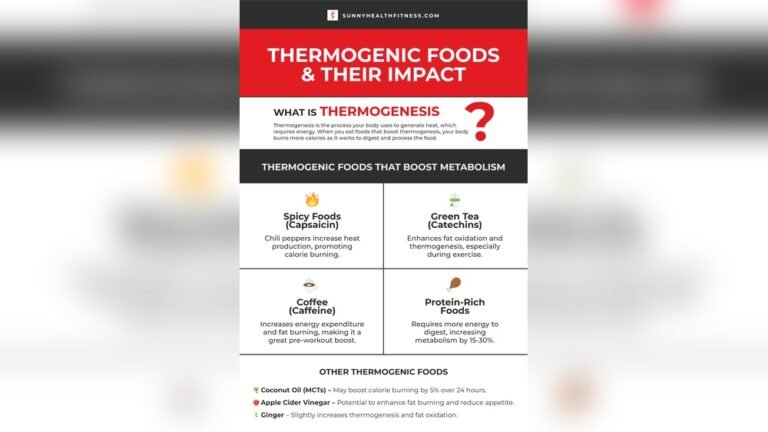
Many people struggle with weight loss, searching for effective ways to burn more calories and fat. One approach that often gets attention is eating thermogenic foods. These foods help your body use more energy, sometimes even while you rest. But do they really work? And which foods are best for boosting your metabolism?
In this article, you’ll learn exactly what thermogenic foods are, how they support weight loss, and which foods to add to your diet. We’ll also discuss the science behind these foods, practical tips, and common mistakes to avoid. If you want a natural way to make your weight loss journey easier, keep reading.
This guide is designed for clear understanding, even if English isn’t your first language.
What Are Thermogenic Foods?
Thermogenesis means producing heat inside your body. When you eat, your body uses energy to digest, absorb, and process food. This process is called the thermic effect of food (TEF). Some foods increase this effect more than others, forcing your body to burn extra calories.
Thermogenic foods are those that can raise your body’s calorie burn after you eat them. This helps with fat loss by increasing metabolism temporarily. However, the effect is usually moderate. Thermogenic foods are not magic solutions, but when combined with healthy habits, they can make a real difference.
How Do Thermogenic Foods Help With Weight Loss?
When you eat thermogenic foods, your body has to work harder to process them. This uses more energy, which means you burn more calories. For example, protein-rich foods have a higher thermic effect than fats or carbs. Some spices and drinks also trigger your body to create more heat, which is why you might sweat after eating spicy food.
Here’s how thermogenic foods support weight loss:
- Boost metabolism: Your body burns more calories even at rest.
- Reduce appetite: Some thermogenic foods help you feel full.
- Increase fat burning: Certain foods encourage the body to use fat for energy.
It’s important to remember that thermogenic foods work best with a balanced diet and exercise. They help, but they don’t replace healthy habits.

Credit: www.amazon.com
Top Thermogenic Foods For Weight Loss
Let’s look at the most effective thermogenic foods, how they work, and how to use them.
1. Chili Peppers
Chili peppers are well-known for their spicy flavor. The key ingredient is capsaicin, which gives chili its heat. Capsaicin increases your body temperature and metabolism.
Studies show that eating chili peppers can increase calorie burn by about 50 calories per day. While this may not seem like much, it adds up over time. Chili peppers also help reduce appetite, so you may eat less overall.
How to use: Add fresh or powdered chili to soups, stews, eggs, or stir-fries. Start with small amounts if you’re not used to spicy food.
Tip: Too much chili can upset your stomach. Find your own comfort level.
2. Green Tea
Green tea contains caffeine and catechins, especially a compound called EGCG (epigallocatechin gallate). Both increase thermogenesis and fat burning.
Research suggests that drinking green tea may increase daily calorie burn by 3-4%. People who drink green tea regularly often have more success losing belly fat.
How to use: Drink 2-4 cups of green tea per day. Avoid adding sugar.
Non-obvious insight: The effect is stronger if you drink green tea before exercise.
3. Coffee
Coffee is a famous stimulant because it contains caffeine. Caffeine increases your heart rate and energy use. It also helps release stored fat for energy.
Drinking coffee can raise your metabolic rate by 3-11%. The effect is higher in people who don’t drink coffee regularly.
How to use: One to two cups per day is enough. Avoid high-calorie additions like cream and sugar.
Caution: Too much caffeine can cause anxiety or sleep problems.
4. Protein-rich Foods
Eating high-protein foods such as chicken, fish, tofu, eggs, and beans increases thermogenesis more than carbs or fats. Digesting protein uses about 20-30% of its calories, compared to only 5-10% for carbs and 0-3% for fat.
Protein also helps preserve muscle while losing weight, which is important for keeping metabolism high.
How to use: Include protein in every meal. For example, add eggs to breakfast, chicken to lunch, and lentils to dinner.
Common mistake: Many people eat too little protein when dieting, which slows metabolism and increases hunger.
5. Ginger
Ginger is a root with a spicy, warming taste. It contains compounds called gingerols and shogaols that increase body heat and energy use.
Research shows that ginger can increase feelings of fullness and calorie burn. It also helps with digestion and can reduce bloating.
How to use: Add fresh ginger to tea, smoothies, or stir-fries. Powdered ginger works well in baking or oatmeal.
6. Apple Cider Vinegar
Apple cider vinegar has acetic acid, which may boost fat burning and reduce fat storage. It also helps control blood sugar and appetite.
Some studies found that taking 1-2 tablespoons of apple cider vinegar daily can help people lose a small amount of weight over time.
How to use: Mix 1 tablespoon with a glass of water before meals. Do not drink it straight—it can damage your teeth and throat.
Tip: Choose raw, unfiltered apple cider vinegar for the best effect.
7. Coconut Oil
Coconut oil contains medium-chain triglycerides (MCTs), which are fats that are quickly used for energy. MCTs increase thermogenesis more than other fats.
Replacing some of your usual fats with coconut oil may increase calorie burn. One study found that MCTs increased metabolism by 5% over 24 hours.
How to use: Use coconut oil for cooking or add a small spoonful to smoothies.
Caution: Coconut oil is high in calories, so use it in moderation.
8. Mustard
Mustard seeds contain compounds like allyl isothiocyanates that boost metabolism. Studies show that eating just 1 teaspoon of mustard can increase metabolism by 25% for a few hours.
How to use: Add mustard to salad dressings, sandwiches, or marinades.
Non-obvious insight: The effect is stronger with spicy brown or yellow mustard, not the very mild types.
9. Black Pepper
Black pepper contains piperine, which can increase calorie burning and reduce fat formation. Piperine also helps your body absorb other nutrients better.
How to use: Add freshly ground black pepper to meats, vegetables, and soups.
Tip: Combining black pepper with turmeric increases the absorption of turmeric.
10. Garlic
Garlic is famous for its health benefits. It increases metabolism slightly and helps reduce fat storage. Garlic also lowers cholesterol and supports heart health.
How to use: Add crushed or chopped garlic to sauces, soups, or roasted vegetables.
Caution: Eating too much raw garlic can irritate your stomach.
11. Cinnamon
Cinnamon helps control blood sugar levels, which can prevent cravings and fat storage. It also increases body heat and calorie burn.
How to use: Sprinkle cinnamon on oatmeal, yogurt, or fruit. Add to coffee or tea for extra flavor.
Non-obvious insight: Ceylon cinnamon (“true” cinnamon) is safer for regular use than cassia cinnamon, which can be toxic in large amounts.
12. Green Coffee Bean Extract
Green coffee beans are raw, unroasted coffee beans. They contain chlorogenic acids that may slow carb absorption and increase fat burning.
Some studies found modest weight loss with green coffee bean extract. However, the long-term effects are still unclear.
How to use: Look for supplements with pure green coffee bean extract. Follow the recommended dose.
Caution: Only buy from trusted brands, as some products may be mixed with other ingredients.
13. Turmeric
Turmeric contains curcumin, which helps reduce inflammation and can increase fat burning. Curcumin may also prevent new fat cells from forming.
How to use: Add turmeric to curries, rice, or smoothies. Combine with black pepper to increase absorption.
Tip: Turmeric works best when taken with a small amount of fat (like olive oil).
14. Oolong Tea
Oolong tea is a traditional Chinese tea. It combines qualities of green and black tea. Oolong tea contains caffeine and polyphenols that boost metabolism.
Drinking oolong tea may increase calorie burn by 3-4% for a few hours. It also helps burn more fat during exercise.
How to use: Drink 2-3 cups per day, hot or cold.
15. Water
Drinking cold water forces your body to use energy to warm it up. Studies suggest that drinking 500 ml (about 2 cups) of water can increase metabolism by 30% for about an hour.
Water also helps you feel full, so you may eat less at meals.
How to use: Drink a glass of cold water before each meal.
Non-obvious insight: Mild dehydration slows metabolism, so staying hydrated is important for weight loss.
16. Whole Grains
Whole grains like brown rice, oats, and quinoa require more energy to digest than refined grains. They also keep you full longer.
The fiber in whole grains slows digestion, which helps control blood sugar and appetite.
How to use: Choose whole grain bread, pasta, and cereals instead of white or refined options.
17. Legumes
Legumes include beans, lentils, and chickpeas. They’re high in protein and fiber, which increases the thermic effect.
Legumes also support gut health, which may help with weight control.
How to use: Add beans or lentils to soups, salads, and main dishes.
18. Grapefruit
Grapefruit contains compounds that may lower insulin levels and improve fat burning. Some studies show that eating half a grapefruit before meals can help with weight loss.
Grapefruit is also high in vitamin C and water, helping you feel full on fewer calories.
How to use: Eat fresh grapefruit before a meal, or add slices to salads.
Caution: Grapefruit can interact with some medicines. Check with your doctor if you take medication.
19. Mct Oil
MCT oil is a supplement made from coconut or palm oil. It contains medium-chain triglycerides, which the body quickly burns for energy.
MCT oil can increase calorie burning for a few hours. It also helps control appetite.
How to use: Start with 1 teaspoon per day, added to coffee, smoothies, or salad dressings.
Non-obvious insight: Too much MCT oil can cause stomach upset. Increase slowly.
20. Seaweed
Seaweed is rich in iodine, which helps your thyroid gland control metabolism. Some types, like kelp, also contain fucoxanthin, a compound that may increase fat burning.
Adding seaweed to your diet supports your body’s natural calorie-burning systems.
How to use: Use nori sheets for sushi, add wakame to soups, or sprinkle dried seaweed on salads.
—
To give a quick comparison of some popular thermogenic foods, see the table below:
| Food | Main Thermogenic Compound | Typical Increase in Calorie Burn (%) | Best Way to Use |
|---|---|---|---|
| Chili Peppers | Capsaicin | 5-10 | Add to meals |
| Green Tea | EGCG, Caffeine | 3-4 | Drink before exercise |
| Protein Foods | Protein | 20-30 | Include each meal |
| Ginger | Gingerols, Shogaols | 2-5 | Fresh or in tea |
| Coconut Oil/MCT Oil | MCTs | 5 | Use in cooking |
How To Add Thermogenic Foods To Your Diet
Eating thermogenic foods is simple, but making them a regular part of your diet takes planning. Here are some practical steps:
- Start small: Add one or two thermogenic foods at a time. For example, drink green tea in the morning and use chili in your lunch.
- Combine for best effect: Use several thermogenic foods together. For example, a stir-fry with chicken (protein), chili, ginger, garlic, and a side of brown rice.
- Stay consistent: The benefits come from regular use over weeks and months, not just one meal.
- Watch portions: Remember, many thermogenic foods (like oils or nuts) are high in calories. Use the right amounts.
Many people think they need to eat spicy foods all day to see results. In reality, even mild changes, done regularly, can help your metabolism.
Sample Thermogenic Meal Plan
Here’s an example of how to include thermogenic foods throughout your day:
Breakfast: Oatmeal with cinnamon and a boiled egg
Snack: Green tea
Lunch: Grilled chicken salad with black pepper, mustard, and apple cider vinegar dressing
Snack: Grapefruit half
Dinner: Stir-fried tofu with chili, ginger, garlic, and brown rice
Tip: Drink cold water before each meal to boost the effect.
Are Thermogenic Foods Safe?
Most thermogenic foods are safe for healthy people when eaten in normal amounts. However, there are some points to keep in mind:
- Spicy foods can cause heartburn or stomach upset in some people.
- Caffeine (in coffee and tea) can cause anxiety, fast heartbeat, or sleep problems if you’re sensitive or use too much.
- Grapefruit can interact with some medicines. Always check with your doctor.
- Supplements (like green coffee bean extract or MCT oil) should be used carefully and bought from reliable sources.
If you have any health conditions, talk to your doctor before making big changes.
Thermogenic Foods Vs. Exercise: Which Is Better?
Both thermogenic foods and exercise can help you burn more calories, but they work in different ways. Exercise increases your calorie burn much more than food can. For example, a 30-minute brisk walk can burn 100-200 calories, much higher than the extra 50 calories from chili peppers.
However, eating thermogenic foods can support your efforts, especially on days when you can’t exercise much. The best results come from combining both: eat well and stay active.
Here’s a quick comparison:
| Method | Calories Burned (per day) | Other Benefits |
|---|---|---|
| Thermogenic Foods | 50-150 | Easy to add to meals, may reduce hunger |
| Exercise (30 mins walk) | 100-200 | Improves heart health, mood, muscle |
Non-obvious insight: Some people depend too much on thermogenic foods, expecting big changes. Think of them as a “bonus” to your main weight loss plan, not the main tool.
Common Mistakes When Using Thermogenic Foods
People often make the following mistakes with thermogenic foods:
- Relying on them too much: They support weight loss, but won’t work alone without a healthy diet and exercise.
- Using high-calorie foods too often: Coconut oil, nuts, and seeds are thermogenic but high in calories. It’s easy to eat too much and slow down weight loss.
- Skipping protein: Protein has the highest thermic effect. Many people cut protein to save calories, but this slows metabolism and makes hunger worse.
- Taking large doses of supplements: More is not always better. Overuse can cause side effects.
- Ignoring hydration: Water is a powerful thermogenic tool. Even mild dehydration slows calorie burning.
The Science Behind Thermogenic Foods
Many studies have tested thermogenic foods for weight loss. Most find that the effect is real but moderate. For example:
- A review in the American Journal of Clinical Nutrition found that protein increases calorie burn by 15-30% compared to carbs (5-10%) and fat (0-3%).
- A study of capsaicin (from chili peppers) found that eating it daily increased calorie burn by about 50 calories—enough to lose 1-2 kg per year if nothing else changed.
- Research on green tea shows that catechins and caffeine work together to increase fat burning, especially during exercise.
However, results can vary between people. Genetics, age, muscle mass, and even your gut bacteria affect how much you benefit. The most reliable approach is to combine several thermogenic foods with other healthy habits.
For more detailed scientific references, see this research review.
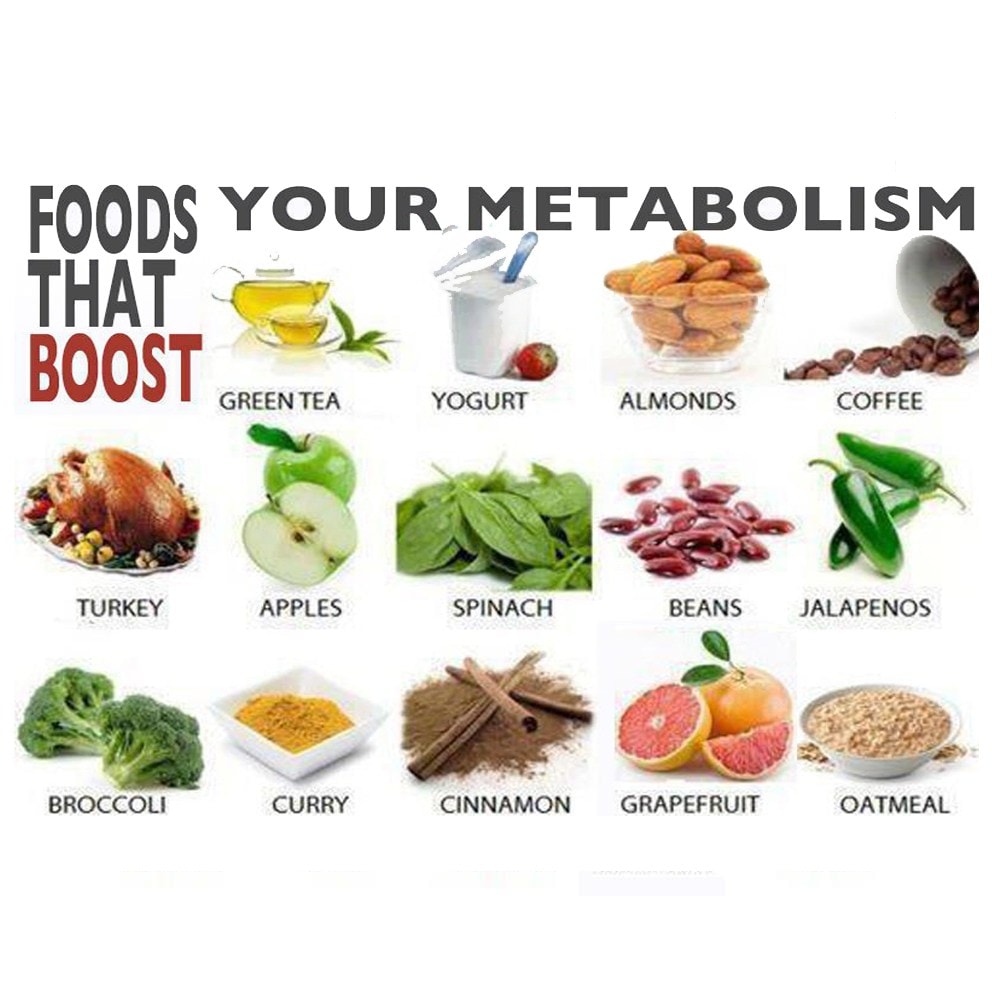
Credit: www.thenutritionguru.co.uk
Who Should Avoid Thermogenic Foods?
Some people should be careful with thermogenic foods:
- People with heartburn or stomach ulcers: Spicy foods, vinegar, and caffeine can make symptoms worse.
- Pregnant women: Large amounts of caffeine, certain herbs, and supplements may not be safe.
- People with thyroid problems: Too much seaweed (iodine) can affect thyroid function.
- Those on medication: Grapefruit and some supplements can interact with medicines.
Always check with your doctor if you have any concerns.
Tips For Making Thermogenic Foods A Long-term Habit
Weight loss is a marathon, not a sprint. Here’s how to keep thermogenic foods in your life for the long term:
- Find recipes you enjoy: Food should be tasty, not just “healthy.”
- Prepare ahead: Keep staples like green tea, ginger, and spices at home.
- Try new foods: Rotate different thermogenic foods to avoid boredom.
- Listen to your body: If something upsets your stomach, reduce or change it.
- Combine with movement: Even short walks after meals increase thermogenesis.
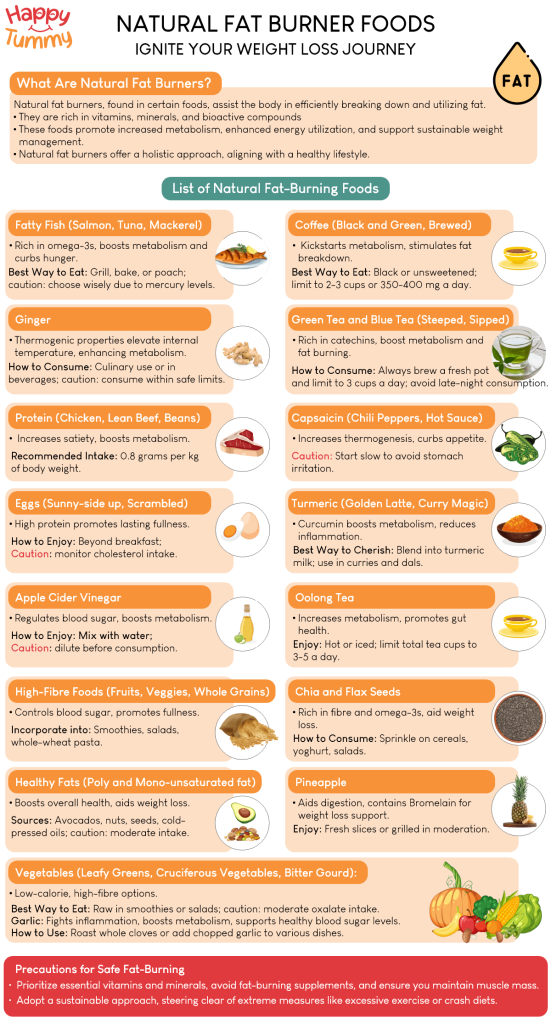
Credit: happytummy.aashirvaad.com
Frequently Asked Questions
What Is The Best Thermogenic Food For Weight Loss?
Protein-rich foods have the highest thermic effect. Your body uses 20-30% of protein calories just to digest them. Green tea, chili peppers, and coffee are also very effective.
Can I Just Eat Thermogenic Foods And Lose Weight?
No. Thermogenic foods help, but they are not a magic solution. You still need to control your calorie intake and stay active for the best results.
How Much Green Tea Should I Drink For Weight Loss?
Most studies suggest 2-4 cups per day. More than this can cause side effects because of caffeine. Don’t add sugar, as it cancels the benefit.
Are Thermogenic Supplements Safe?
Some supplements, like green coffee bean extract or MCT oil, can be safe if used correctly. Always buy from trusted brands and follow the instructions. If you have health problems, talk to your doctor first.
Is It Safe To Eat Spicy Foods Every Day?
For most healthy people, yes. However, too much spicy food can cause stomach upset or heartburn. Start with small amounts and listen to your body.
—
Thermogenic foods are a natural way to help your body burn more calories and fat. They’re not a replacement for healthy eating or exercise, but they can make your weight loss journey more effective and enjoyable. Focus on including a variety of these foods, stay hydrated, and combine them with movement for the best results.
Small, steady changes add up over time—so start today and let your food work for you.