

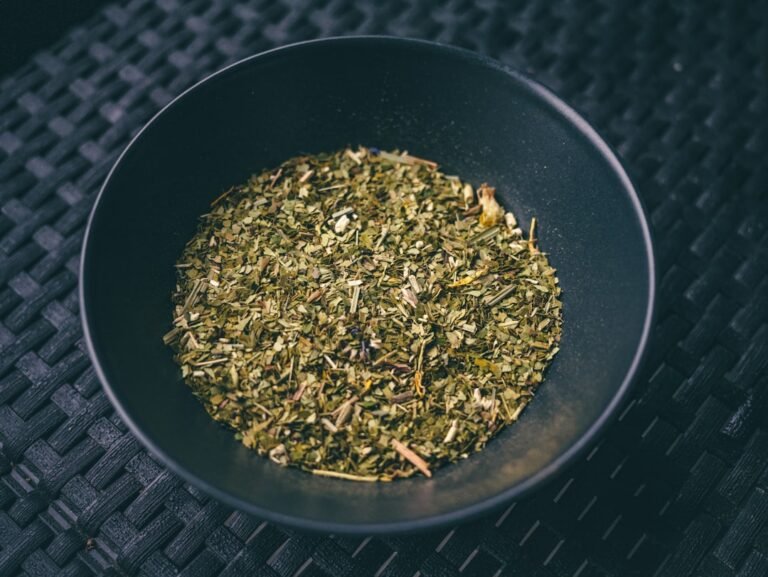
So, can green tea really be the “ultimate fat burner” for weight loss? The short answer is: it’s complicated. While green tea has some promising properties that might nudge you a little closer to your weight loss goals, it’s definitely not a magic bullet. Think of it more as a helpful sidekick in a larger healthy lifestyle plan, rather than the main hero. Let’s break down what the science actually says, and what’s just… well, a lot of noise.
There’s a reason green tea gets so much attention when it comes to weight loss. It’s not just marketing hype. The key players are a group of compounds called catechins, and the most famous one among them is epigallocatechin gallate, or EGCG. This is the antioxidant powerhouse that scientists are really interested in.
The Catechin Connection: EGCG and Its Role
EGCG is thought to work in a couple of ways. Firstly, it might give your metabolism a gentle nudge. This means your body could potentially burn more calories throughout the day, even when you’re resting. Imagine your internal engine running a tiny bit more efficiently.
Secondly, EGCG is linked to boosting fat oxidation. This is essentially the process where your body breaks down stored fat for energy. So, in theory, drinking green tea could help your body tap into those fat reserves a bit more readily.
The Norepinephrine Boost: A Helping Hand?
Another mechanism that’s been suggested is an increase in norepinephrine. This is a hormone and neurotransmitter that plays a role in regulating your metabolic rate and can also help mobilize fat from fat cells. If EGCG can increase norepinephrine levels, it might further support the fat-burning process.
Unpacking the Research: What the Studies Really Show
This is where things get a bit more nuanced. While the idea of EGCG boosting metabolism and fat burning sounds fantastic, the real-world results are a mixed bag when you look at large-scale studies and meta-analyses.
The Modest Benefits: A Gentle Push, Not a Supercharge
Some studies have indeed shown that green tea consumption, particularly when combined with regular exercise, can lead to modest weight loss. We’re talking about small numbers here – perhaps a few extra pounds over time. It’s important to manage expectations; it’s not going to melt away significant amounts of weight on its own.
The Meta-Analyses: The Big Picture View
When researchers combine the results of many individual studies (this is what a meta-analysis does), they get a clearer picture of the overall effect. Unfortunately, multiple meta-analyses have concluded that the effects of green tea on weight loss are, at best, modest. For many people, the changes observed aren’t considered clinically significant, meaning they might not be enough to make a substantial difference to overall health or body composition.
Why the Discrepancy? Factors to Consider
There are several reasons why the research might appear contradictory.
- Dosage: The amount of EGCG people consume can vary greatly between studies and in everyday drinking.
- Individual Differences: How your body responds to green tea can be influenced by genetics, diet, and lifestyle.
- Study Design: The way a study is set up, including the length of the study and the population being studied, can affect the outcomes.
- Diet and Exercise: As mentioned, green tea seems to work better when it’s part of a broader healthy lifestyle. If someone is drinking green tea but their diet is still high in calories and they aren’t exercising, the tea is unlikely to have a noticeable impact.
Expert Opinions: Cutting Through the Hype
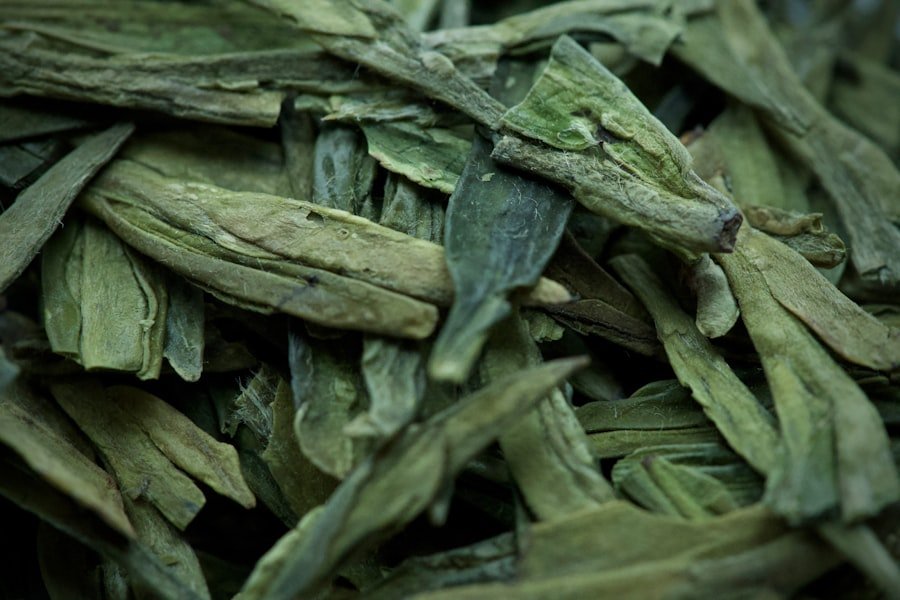
When you’re sifting through all the information out there, it’s always a good idea to see what the experts are saying. And the experts tend to be more grounded in their conclusions.
The Cleveland Clinic’s Take: “Mixed at Best”
Health organizations like the Cleveland Clinic have reviewed the evidence and tend to echo the sentiment of mixed results. They highlight that while green tea extract studies have shown some potential, they are “mixed at best.”
Green Tea as a Replacement, Not a Miracle Cure
Experts often see more practical benefits for green tea. For instance, it can be a much healthier alternative to sugary drinks like soda. If you’re used to having a daily calorie-laden beverage, switching to unsweetened green tea can definitely contribute to a calorie deficit, which is crucial for weight loss. It can also act as a mild digestive aid for some people. However, the consensus is that it’s not a standalone solution for significant weight loss.
The Caffeine Caveat: Something to Watch
It’s also worth remembering that green tea contains caffeine. While generally less than coffee, it’s still a stimulant. For some individuals, too much caffeine can lead to jitters, anxiety, or sleep disturbances, which can indirectly impact weight management efforts. So, while you might be tempted to drink cup after cup, it’s wise to be mindful of your caffeine intake.
Social Media vs. Science: The “Ozempic” Myth

In recent times, especially with the rise of weight loss medications and trending diet fads on social media, green tea has sometimes been hyped as some sort of natural equivalent. This is where the information often veers into misleading territory.
The YouTube Exposé: Labeling the Claims
An exposé on platforms like YouTube in October 2024 specifically called out green tea weight loss claims as “murky, misleading, overhyped.” This is a critical perspective that aims to uncover when marketing goes beyond what the scientific evidence can support.
Not “Nature’s Ozempic”: What About GLP-1?
The idea that green tea could be “nature’s Ozempic” is a significant overstatement. Medications like Ozempic work by mimicking a hormone called GLP-1, which plays a major role in regulating appetite and blood sugar. Current research has not shown any significant boost in GLP-1 levels from consuming green tea. Therefore, comparing it to such a medication is not scientifically accurate and sets unrealistic expectations.
Emerging Research: The Fat-Blocking Microbeads
| Green Tea Type | EGCG Content | Caffeine Content | Antioxidant Level |
|---|---|---|---|
| Matcha | High | Low | High |
| Sencha | Medium | Medium | Medium |
| Gyokuro | High | Low | High |
This is an interesting development that shows research is still exploring new avenues for green tea’s potential in weight management. Chinese researchers have been working with edible microbeads infused with green tea polyphenols.
What Are These Microbeads?
These aren’t your typical tea leaves. The microbeads are designed to be ingested and contain concentrated green tea compounds like EGCG, along with vitamin E and seaweed extracts. The idea is to deliver these beneficial compounds directly to the digestive system.
Promising Results in Rats: A Glimpse of Potential
In studies on rats fed high-fat diets, these specific green tea microbeads showed some impressive results. The rats experienced a significant reduction in body weight – around 17% – decreased fat tissue, and even improved liver health. This suggests a potent effect when the compounds are delivered in this concentrated and targeted form.
What About Humans? The Trial is Underway
The most exciting part of this particular research is that a human trial is currently underway in China. If the results in humans mirror those seen in rats, it could represent a more targeted and effective way to leverage green tea’s properties for weight loss. However, it’s crucial to note that these microbeads are not yet cleared by regulatory bodies like the FDA, and it will likely be some time before they are available commercially, if at all. This is innovative research, but it’s not a current solution for the average person looking to start losing weight today.
How to Incorporate Green Tea Wisely for Potential Benefits
Given the nuances, how can you actually use green tea to support your weight goals without falling into the hype trap? It’s all about a practical, balanced approach.
Choosing the Right Green Tea: Quality Matters
Not all green teas are created equal.
- Loose Leaf vs. Tea Bags: Opting for high-quality loose-leaf green tea often means you’re getting fresher, more potent leaves. Tea bags can sometimes contain lower-grade tea dust.
- Types of Green Tea: Varieties like Sencha, Gyokuro, and Matcha are generally considered to have higher concentrations of catechins. Matcha, in particular, where you consume the entire powdered leaf, is thought to be more potent.
Brewing for Maximum Benefit: Temperature and Time
How you brew your tea can also influence the extraction of beneficial compounds.
- Water Temperature: Avoid using boiling water, as it can scald the delicate leaves and destroy some of the catechins, as well as make the tea bitter. Aim for water around 160-180°F (70-80°C).
- Steeping Time: The optimal steeping time is usually between 1 to 3 minutes. Over-steeping can lead to bitterness and may not actually increase the beneficial compound content significantly.
Beyond the Brew: Lifestyle is Key
This is the most critical point: green tea is a supplement to a healthy lifestyle, not a replacement for it.
- Balanced Diet: Focus on whole, unprocessed foods, lean proteins, plenty of fruits and vegetables, and healthy fats. Managing your calorie intake through diet is the foundational element of weight loss.
- Regular Exercise: Combine your green tea habit with a consistent exercise routine that includes both cardiovascular activity and strength training. This synergy is where you’ll see the most significant results.
- Hydration: Ensure you’re drinking enough water throughout the day. Sometimes thirst can be mistaken for hunger.
- Sufficient Sleep and Stress Management: Poor sleep and high stress levels can negatively impact your hormones, appetite, and metabolism, making weight loss much harder.
What to Avoid: The Dangers of Supplements and Extreme Claims
While the focus here is on drinking green tea, it’s worth briefly touching on green tea supplements.
- High-Dose Extracts: Be cautious with highly concentrated green tea extract supplements. Some studies have linked very high doses of green tea extract, particularly those not consumed with food, to liver problems in some individuals. Always consult with a healthcare professional before taking any new supplement.
- “Miracle” Products: Be wary of any product that promises rapid or effortless weight loss. If it sounds too good to be true, it almost certainly is.
In conclusion, green tea can be a healthy and potentially beneficial addition to a weight loss journey, offering a calorie-free beverage option and a boost of antioxidants. However, it’s vital to approach it with realistic expectations. It’s a supportive player, not the star of the show. The real “ultimate fat burner” is a consistent commitment to a balanced diet, regular exercise, and overall healthy living.