


Calories are a fundamental concept in nutrition and health, serving as a measure of energy that fuels your body. When you consume food, you are essentially taking in calories, which your body uses to perform various functions, from basic metabolic processes to physical activities. Understanding calories is crucial for anyone looking to maintain a healthy lifestyle, manage their weight, or simply improve their overall well-being.
The term “calorie” itself refers to the amount of energy required to raise the temperature of one gram of water by one degree Celsius. However, in the context of food and nutrition, we often refer to kilocalories (kcal), which are equivalent to 1,000 calories. In your daily life, the balance between the calories you consume and the calories you expend through physical activity and metabolic processes determines your weight.
If you consume more calories than your body needs, the excess energy is stored as fat, leading to weight gain. Conversely, if you burn more calories than you consume, your body will tap into its fat reserves for energy, resulting in weight loss. This delicate balance is influenced by various factors, including age, gender, activity level, and overall health.
As you navigate your dietary choices, understanding the role of calories can empower you to make informed decisions that align with your health goals.
Key Takeaways
- Calories are a measure of the energy content in food and beverages.
- Carbohydrates, proteins, and fats provide different amounts of calories per gram.
- Empty calories come from foods and drinks that are high in calories but low in nutrients.
- Calories play a crucial role in weight management, as consuming more than needed leads to weight gain.
- Alcohol and sugar can significantly increase caloric intake without providing essential nutrients.
The Difference Between Calories from Carbohydrates, Proteins, and Fats
When it comes to calories, not all sources are created equal. The three macronutrients—carbohydrates, proteins, and fats—each provide a different number of calories per gram and serve distinct roles in your body. Carbohydrates and proteins each provide approximately 4 calories per gram, while fats are more calorie-dense at about 9 calories per gram.
This difference in caloric content can significantly impact your dietary choices and overall energy balance. Carbohydrates are often considered the body’s primary source of energy. They are found in foods such as grains, fruits, vegetables, and legumes.
When you consume carbohydrates, your body breaks them down into glucose, which is then used for immediate energy or stored as glycogen for later use. Proteins, on the other hand, are essential for building and repairing tissues, producing enzymes and hormones, and supporting immune function. While they can also be used for energy when carbohydrates are scarce, their primary role is not as an energy source.
Fats play a crucial role in hormone production, nutrient absorption, and providing long-lasting energy. Understanding these differences can help you make better food choices that align with your nutritional needs.
Understanding Empty Calories
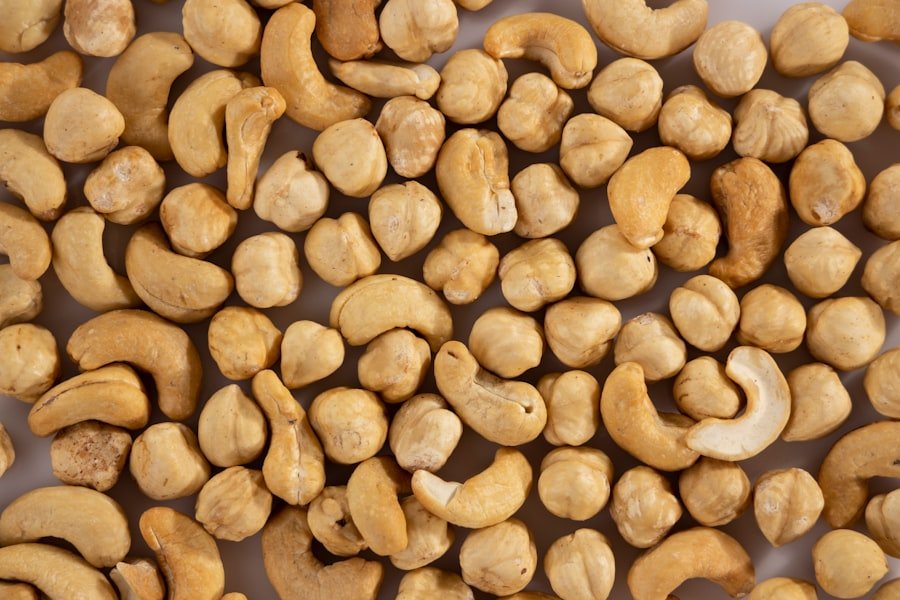
Empty calories refer to foods and beverages that provide energy but lack essential nutrients such as vitamins, minerals, fiber, and protein. These items are often high in added sugars and unhealthy fats but low in nutritional value. Common sources of empty calories include sugary drinks, candy, baked goods, and processed snacks.
While they may satisfy your immediate cravings or provide a quick energy boost, they do little to support your overall health or well-being. Consuming too many empty calories can lead to weight gain and nutritional deficiencies. When you fill up on foods that lack essential nutrients, you may find it challenging to meet your body’s needs for vitamins and minerals.
This can result in fatigue, weakened immune function, and other health issues over time. To maintain a balanced diet and support your health goals, it’s essential to limit your intake of empty calories and focus on nutrient-dense foods that provide both energy and essential nutrients.
The Role of Calories in Weight Management
| Calories | Weight Management |
|---|---|
| Calories In | The amount of calories consumed through food and drinks. |
| Calories Out | The amount of calories burned through physical activity and metabolism. |
| Caloric Deficit | When the calories burned exceed the calories consumed, leading to weight loss. |
| Caloric Surplus | When the calories consumed exceed the calories burned, leading to weight gain. |
| Caloric Balance | When the calories consumed equal the calories burned, maintaining current weight. |
Calories play a pivotal role in weight management, serving as the foundation for understanding how your body gains or loses weight. To achieve weight loss or maintenance, you must create a caloric deficit—consuming fewer calories than your body expends. This can be accomplished through dietary changes, increased physical activity, or a combination of both.
Conversely, if you’re looking to gain weight or build muscle mass, you’ll need to create a caloric surplus by consuming more calories than you burn. It’s important to approach weight management with a balanced mindset. While tracking calories can be a useful tool for some individuals, it’s equally vital to focus on the quality of the foods you consume.
A diet rich in whole foods—such as fruits, vegetables, whole grains, lean proteins, and healthy fats—can help you feel satisfied while still managing your caloric intake effectively. Additionally, incorporating regular physical activity into your routine not only helps burn calories but also supports overall health and well-being.
The Impact of Alcohol and Sugar on Caloric Intake
Alcohol and sugar are two significant contributors to caloric intake that often go overlooked in dietary considerations. Alcohol contains 7 calories per gram, making it nearly as calorie-dense as fat. When consumed in excess, alcoholic beverages can quickly add up in terms of caloric intake without providing any nutritional benefits.
Furthermore, alcohol can impair judgment regarding food choices and lead to overeating or indulging in unhealthy snacks. Sugar is another culprit when it comes to empty calories. Foods high in added sugars—such as sodas, candies, and desserts—can contribute significantly to your daily caloric intake without offering substantial nutritional value.
These sugary foods can lead to spikes in blood sugar levels followed by crashes that leave you feeling hungry again soon after consumption. Being mindful of both alcohol and sugar consumption is essential for maintaining a balanced diet and managing your caloric intake effectively.
The Importance of Nutrient-Dense Calories
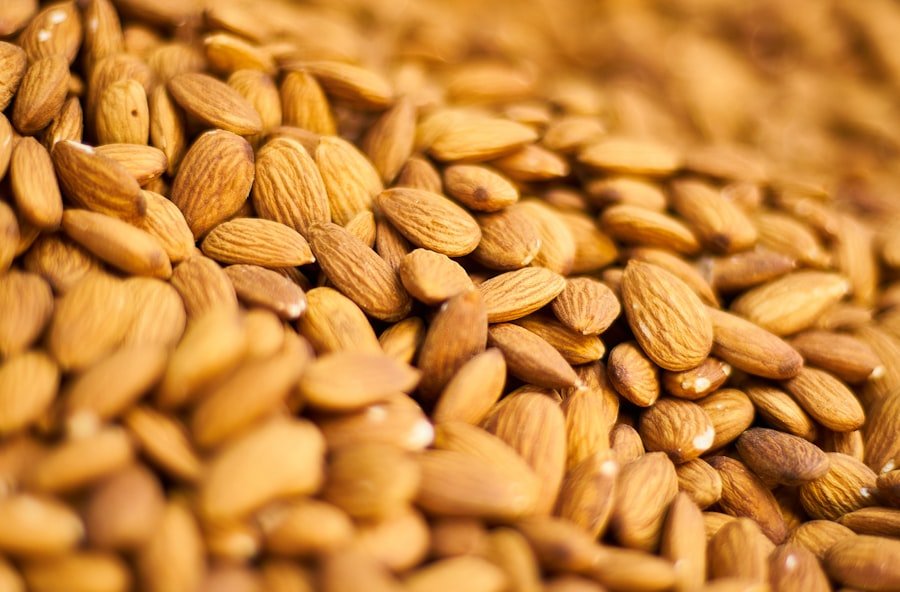
Nutrient-dense calories refer to foods that provide a high amount of essential nutrients relative to their caloric content. These foods are packed with vitamins, minerals, fiber, and other beneficial compounds that support overall health while keeping you satiated. Examples of nutrient-dense foods include leafy greens, berries, nuts, seeds, lean proteins like chicken or fish, and whole grains like quinoa or brown rice.
Focusing on nutrient-dense foods can help you achieve your health goals more effectively than simply counting calories alone. When you prioritize these foods in your diet, you’re more likely to meet your body’s nutritional needs while managing your caloric intake. This approach not only supports weight management but also promotes long-term health by reducing the risk of chronic diseases such as obesity, diabetes, and heart disease.
How to Calculate and Monitor Daily Caloric Intake
Calculating and monitoring your daily caloric intake can be an effective way to manage your weight and ensure you’re meeting your nutritional needs. To determine how many calories you need each day, consider factors such as age, gender, weight, height, and activity level. Various online calculators can help estimate your Total Daily Energy Expenditure (TDEE), which represents the number of calories you burn in a day based on these factors.
Once you’ve established your daily caloric needs, tracking your food intake can help you stay accountable and make informed choices about what you eat. There are numerous apps available that allow you to log your meals easily and monitor your caloric intake throughout the day. By being mindful of what you’re consuming and making adjustments as needed—whether it’s reducing portion sizes or swapping out empty calorie foods for nutrient-dense options—you can take control of your dietary habits and work towards achieving your health goals.
Making Informed Choices about Calories
In conclusion, understanding calories is essential for anyone looking to improve their health or manage their weight effectively. By recognizing the differences between various sources of calories—such as carbohydrates, proteins, fats—and being aware of empty calories from sugar and alcohol, you can make more informed dietary choices that align with your goals. Prioritizing nutrient-dense foods will not only help you feel satisfied but also ensure you’re meeting your body’s nutritional needs.
As you navigate the world of nutrition and caloric intake, remember that balance is key. While tracking calories can be helpful for some individuals, it’s equally important to focus on the quality of the foods you consume rather than solely on quantity. By adopting a holistic approach to nutrition that emphasizes both caloric balance and nutrient density, you’ll be better equipped to make choices that support your long-term health and well-being.