

Are you tired of endless cardio sessions that leave you exhausted but don’t deliver the weight loss results you want? What if you could burn fat, build muscle, and transform your body all at the same time?
Weight lifting isn’t just for bodybuilders—it’s one of the most effective ways to lose weight and keep it off for good. When you lift weights, you boost your metabolism, preserve lean muscle, and torch calories even after your workout is done.
Curious how to make weight lifting work for your weight loss goals? Keep reading, because this guide will show you simple, powerful strategies to shed fat, feel stronger, and look better—all by picking up those weights. Your body will thank you.

Credit: www.womenshealthmag.com
Lifting Weights To Lose Fat
Lifting weights is a powerful way to lose fat and improve your body shape. It helps burn calories and builds muscle, which changes how your body looks. Unlike just dieting or doing cardio, weight lifting shapes your body and keeps your metabolism working faster.
Here are key points about how lifting weights helps you lose fat effectively and safely.
Boosting Metabolism With Muscle
Muscle tissue burns more calories than fat, even when you rest. The more muscle you build, the higher your resting metabolic rate becomes. This means your body uses more energy throughout the day. Weight lifting increases muscle mass, which helps you burn more calories naturally. This boost in metabolism supports faster fat loss over time.
Preserving Muscle During Weight Loss
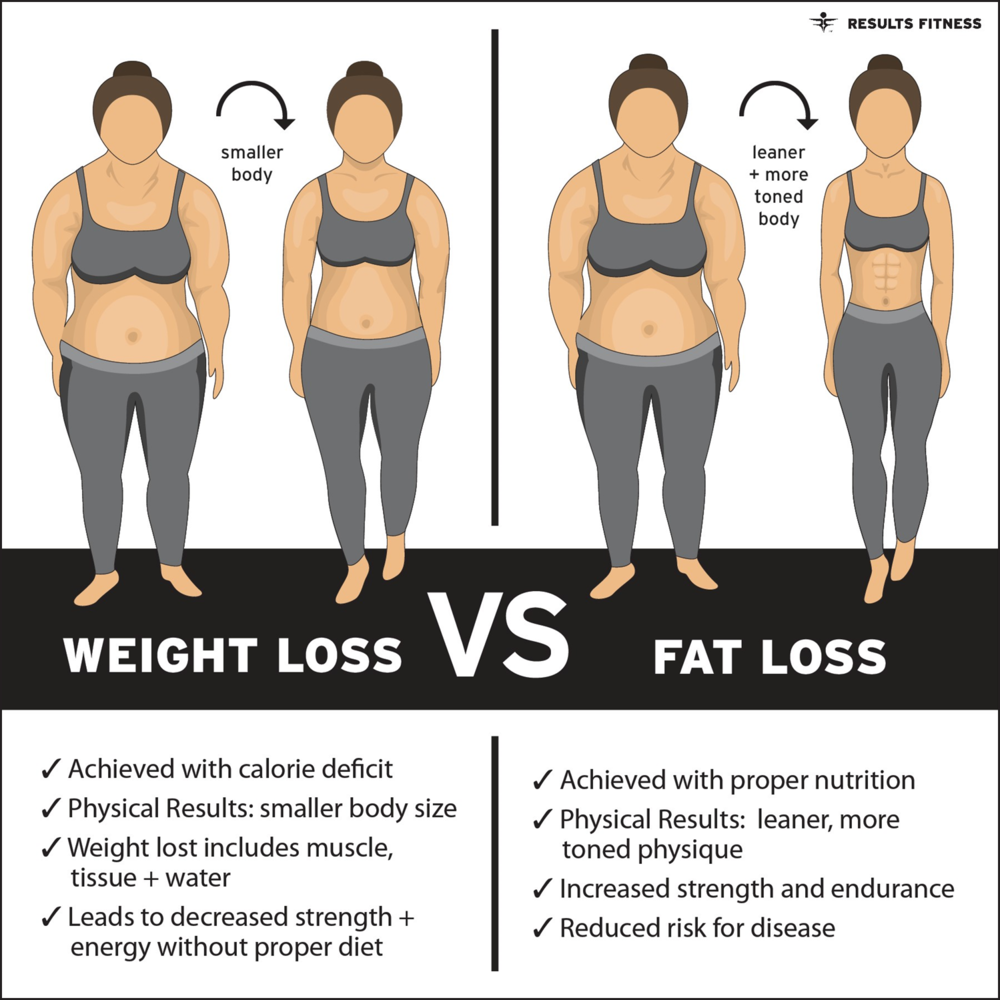
When you lose weight, your body can break down muscle for energy. This makes you weaker and slows your metabolism. Lifting weights signals your body to keep muscle while losing fat. Preserving muscle helps maintain strength and keeps your body looking firm. It also helps prevent the saggy skin that sometimes happens with weight loss.
Afterburn Effect Explained
High-intensity weight lifting causes the afterburn effect. Your body keeps burning calories after your workout ends. This happens because your muscles need energy to repair and recover. The afterburn effect can last for hours, increasing total calorie burn. This extra calorie use supports fat loss beyond the workout itself.
Toning Your Physique
Weight lifting shapes your body by building muscle in key areas. This creates a toned, firm look. Losing fat alone can leave your skin loose. Muscle adds definition and smooths your figure. Toning your physique improves your confidence and gives a balanced, healthy appearance.
Credit: www.fitprintorlando.com
Creating A Weight Loss Plan
Creating a weight loss plan with weight lifting sets a strong foundation. It guides your efforts and helps track progress. A clear plan balances diet, exercise, and recovery. This balance supports fat loss while building muscle.
Each part of the plan plays a role in success. Understanding calorie needs, protein intake, and workout routines is key. Let’s explore the essential steps to build an effective plan.
Calorie Deficit Essentials
Weight loss happens when you burn more calories than you eat. This is called a calorie deficit. You can create it by eating less or moving more. Weight lifting raises your calorie burn by building muscle. Track your food and activity to stay on target.
Protein’s Role In Muscle Repair
Protein helps fix muscles after lifting weights. It supports muscle growth and recovery. Eating enough protein protects your muscles during weight loss. Aim for protein in every meal. Good sources include chicken, fish, beans, and dairy.
Consistency In Training
Regular workouts bring better results. Try to lift weights at least three times a week. Consistency builds strength and burns calories. Skipping sessions slows progress. Make a schedule you can keep.
Increasing Workout Intensity
Challenge your muscles to grow by lifting heavier weights. Add more sets or reps over time. This increase keeps your body adapting and burning fat. Avoid staying at the same level for too long.
Rest And Recovery Importance
Your muscles need time to heal after workouts. Rest days prevent injury and improve strength. Use rest days for light stretching or walking. Sleep is also vital for recovery and fat loss.
Mastering Proper Form
Good form protects you from injury. It makes your workouts more effective. Learn correct lifting techniques before increasing weight. Poor form wastes energy and risks harm.
Seeking Professional Guidance
Trainers can help design a safe, effective plan. They teach proper form and adjust workouts to your needs. Professionals keep you motivated and accountable. Consider their support to reach goals faster.
Weight Lifting Vs Cardio
Choosing between weight lifting and cardio for weight loss often confuses many. Both methods burn calories but work differently. Weight lifting builds muscle, which increases metabolism. Cardio burns calories faster during exercise. Understanding their roles helps in designing an effective weight loss plan.
Can Weight Lifting Replace Cardio?
Weight lifting alone can aid weight loss by building muscle and raising metabolism. It also burns calories during and after workouts due to the afterburn effect. Yet, weight lifting does not improve heart and lung health as much as cardio. Cardio offers a quicker calorie burn during sessions. So, weight lifting cannot fully replace cardio, but it is a powerful tool for fat loss.
Benefits Of Combining Both
Combining weight lifting and cardio gives the best of both worlds. Weight lifting preserves muscle and boosts metabolism. Cardio enhances heart health and burns calories fast. Together, they improve fitness levels and increase overall calorie burn. This combination leads to better fat loss and body shaping than either method alone.
When To Add Cardio
Add cardio if your goal includes improving endurance or burning extra calories. Cardio suits warm-ups and cool-downs in your routine. It helps on rest days to stay active without heavy strain. If your weight loss plateaus, cardio can help break the stall. Also, for heart health, cardio is essential alongside weight training.
Common Questions Answered
Many people have questions about weight lifting and weight loss. This section answers common doubts clearly. Understanding these points helps you use weight lifting well for fat loss. Read on for simple answers to popular questions.
Is Weight Lifting Enough For Fat Loss?
Weight lifting can help you lose fat by building muscle. Muscle burns more calories even when resting. But diet plays a big role too. You need to eat fewer calories than you burn. Combining weight lifting with a healthy diet works best. Cardio can also boost fat loss and heart health.
How Long To See Results?
Results vary by person and effort. Some see changes in 4 to 6 weeks. Muscle grows slowly but fat loss can start sooner. Consistency is key. Keep lifting weights regularly and eating right. Patience helps maintain progress over time.
Weight Lifting For Women
Women benefit a lot from weight lifting. It builds strength and tones the body. Many fear it will make them bulky. This is rare because women have less muscle-building hormone. Weight lifting boosts metabolism and supports fat loss. It also improves bone health and confidence.
Avoiding Loose Skin
Loose skin can happen after big weight loss. Building muscle under the skin helps keep it tight. Weight lifting supports this by increasing muscle size. Staying hydrated and losing weight gradually also helps. Skin needs time to adjust to body changes.
Maximizing Your Results
Maximizing your results from weight lifting for weight loss requires more than just showing up at the gym. It involves careful tracking of your progress, making smart changes to your routine, and paying close attention to your nutrition. These steps help you stay on track and push your body to burn fat efficiently while building lean muscle.
Tracking Progress
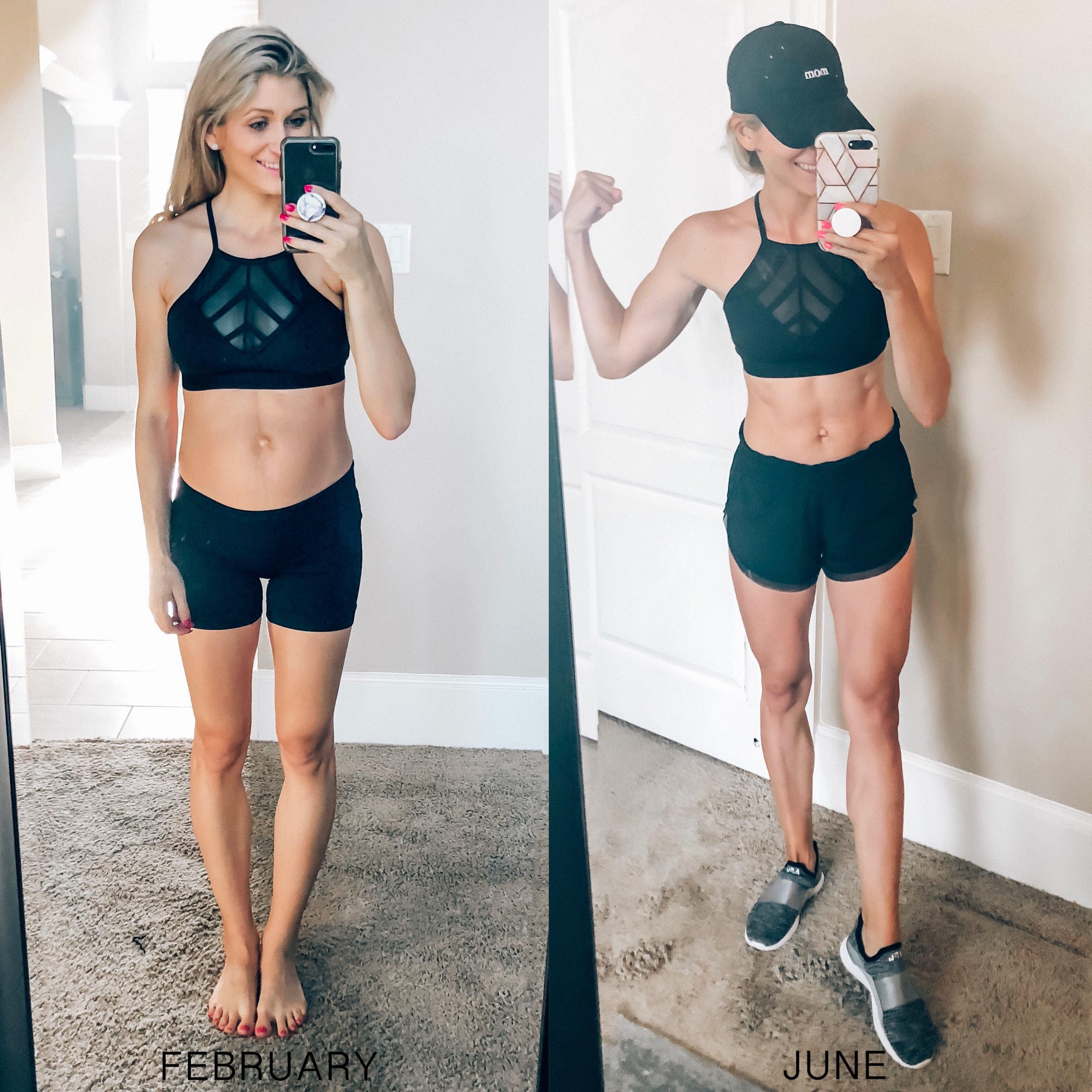
Keep a record of your workouts to see how you improve. Note the weights you lift, the number of sets, and reps. Take body measurements and photos regularly to track changes in muscle tone and fat loss. Tracking helps you stay motivated and shows when it’s time to adjust your plan.
Adjusting Your Routine
Change your workout routine every few weeks to avoid plateaus. Increase the weight or the number of reps to challenge your muscles. Try different exercises to target various muscle groups. This keeps your body guessing and helps burn more calories over time.
Nutrition Tips Beyond Protein
Protein is important, but don’t forget about carbs and fats. Eat whole grains, fruits, and vegetables for energy and vitamins. Healthy fats from nuts, seeds, and fish support hormone balance and overall health. Drink plenty of water to stay hydrated and aid digestion. Balanced nutrition fuels your workouts and speeds up recovery.
Credit: laurengleisberg.com
Conclusion
Weight lifting plays a key role in losing weight effectively. It helps build muscle, which burns more calories even while resting. Muscle also keeps your body strong and toned during fat loss. Combining lifting with a healthy diet boosts results faster.
Consistency and proper technique matter most for success. Rest days help your muscles recover and grow. Start small, increase weight gradually, and keep moving forward. Weight loss through lifting is a steady, rewarding journey anyone can achieve.