

Are you wondering what exactly morbid obesity means when it comes to BMI? Understanding your Body Mass Index (BMI) can be a key step toward recognizing serious health risks linked to excess weight.
But what BMI number actually defines morbid obesity, and why does it matter for your well-being? This article will break down the facts in simple terms, helping you see where you stand and what steps you can take. Keep reading to uncover the truth about morbid obesity BMI and how it impacts your health journey.

Credit: mexicobariatriccenter.com
Morbid Obesity Bmi Range
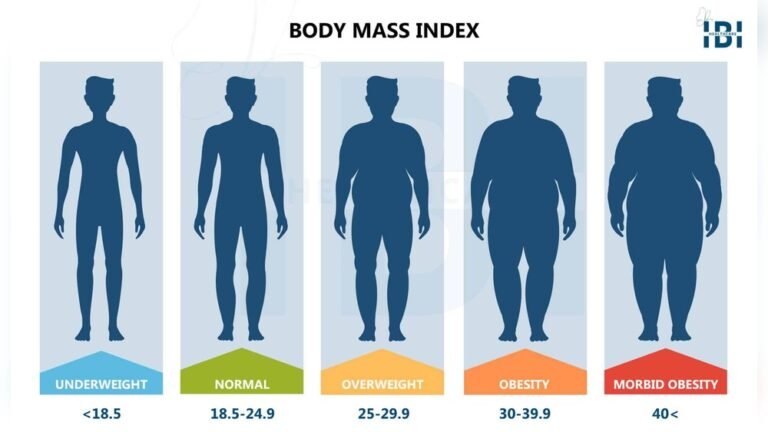
The morbid obesity BMI range identifies individuals with very high body fat levels. This range indicates serious health risks and often requires medical attention. Understanding this range helps in assessing obesity severity and planning treatment.
Bmi Calculation Method
BMI stands for Body Mass Index. It is calculated by dividing weight in kilograms by height in meters squared. The formula is simple: BMI = weight (kg) / height (m)2. This number helps classify weight status.
Bmi Categories Explained
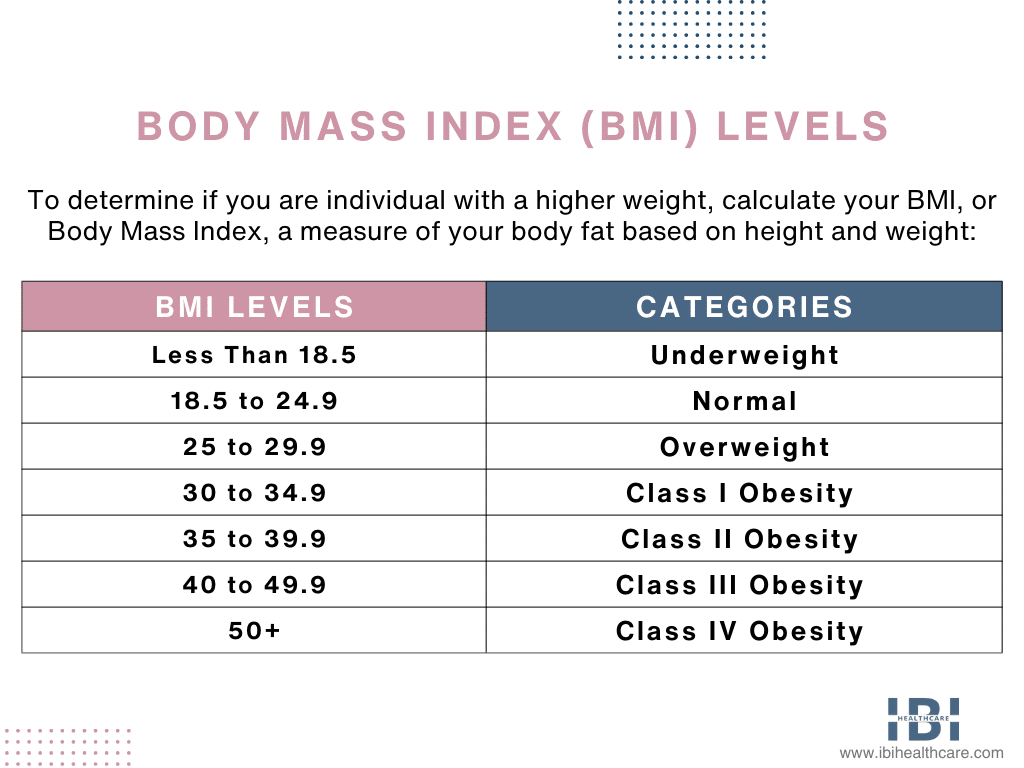
BMI categories range from underweight to obesity. Normal weight is between 18.5 and 24.9. Overweight starts at 25. Obesity begins at a BMI of 30. These categories guide health risk assessments.
Class Iii Obesity Threshold
Class III obesity is also called morbid obesity. It starts at a BMI of 40 or higher. This level shows extreme excess body fat. People in this range face high risks for diseases like diabetes and heart problems.
Health Risks Linked To Morbid Obesity
Morbid obesity poses serious health risks that affect many parts of the body. This condition means carrying a very high amount of excess weight. Such weight can cause severe problems with organs and body functions. Understanding these risks helps in recognizing the urgency of managing morbid obesity.
Cardiovascular Complications
Excess weight strains the heart and blood vessels. High blood pressure becomes common. This condition increases the risk of heart attacks and strokes. Fat buildup can block arteries, reducing blood flow. The heart works harder, which may lead to heart failure.
Respiratory Issues
Morbid obesity makes breathing difficult. Extra fat around the chest reduces lung expansion. Sleep apnea, a condition where breathing stops during sleep, often occurs. This lowers oxygen levels and causes fatigue. Lung infections become more frequent and harder to treat.
Diabetes And Metabolic Problems
High body fat affects how the body uses insulin. This can cause type 2 diabetes, a serious disease. Blood sugar levels stay high, harming organs over time. Metabolic syndrome, a group of conditions including high blood pressure and cholesterol, is also common.
Joint And Mobility Challenges
Carrying extra weight stresses joints, especially knees and hips. This leads to osteoarthritis, causing pain and stiffness. Moving becomes hard, reducing physical activity. Muscle strength can decline, increasing fall risk. Daily tasks may become challenging and painful.
Factors Influencing Bmi Accuracy
BMI, or Body Mass Index, is a simple way to estimate body fat. It helps identify morbid obesity, a very high level of body fat. BMI uses weight and height to calculate a number. This number shows if someone is underweight, normal, overweight, or obese.
Many factors affect how accurate BMI really is. Understanding these can help you know its limits. BMI does not give a full picture of health or body fat. It is only a starting point for assessing weight status.
Body Composition Variations
BMI does not separate fat from muscle or bone. Muscular people may have high BMI but low fat. People with less muscle and more fat might have the same BMI. Fat distribution is also different in everyone. This makes BMI less accurate for some individuals.
Age And Gender Differences
BMI does not change for age or gender. Women usually have more body fat than men at the same BMI. Older adults tend to lose muscle and gain fat but BMI stays the same. These differences affect how well BMI reflects true body fat.
Limitations Of Bmi Measurement
BMI is a quick screening tool, not a diagnostic test. It cannot show where fat is stored or measure health risks directly. It may miss health issues or misclassify some people. Other tests and health checks are important for a full assessment.
Credit: www.ibihealthcare.com
Medical Approaches To Morbid Obesity
Medical approaches to morbid obesity focus on managing health risks and improving quality of life. Treatment plans often combine medications, surgical options, and ongoing care. Each method targets different aspects of weight loss and health improvement. Choosing the right approach depends on individual needs and medical advice.
Medications And Treatments
Medications can help reduce appetite or block fat absorption. Doctors may prescribe drugs for patients with a BMI over 40 or those with related health issues. These treatments support lifestyle changes like diet and exercise. They are not a cure but can assist in weight loss efforts. Regular monitoring ensures medication safety and effectiveness.
Bariatric Surgery Options
Bariatric surgery offers a powerful tool for significant weight loss. Common surgeries include gastric bypass, sleeve gastrectomy, and adjustable gastric banding. These procedures limit food intake or reduce nutrient absorption. Surgery is usually recommended for patients with a BMI over 40 or over 35 with serious health problems. It requires a commitment to lifelong dietary changes and medical follow-up.
Monitoring And Follow-up Care
Continuous monitoring is essential after medical or surgical treatment. Follow-up visits track weight loss progress and check for complications. Healthcare providers adjust treatments based on patient response. Support includes nutritional counseling, psychological help, and physical activity guidance. Long-term care improves outcomes and maintains health gains.
Lifestyle Changes For Weight Management
Making lifestyle changes is crucial for managing morbid obesity BMI. Healthy habits help reduce weight and improve overall health. These changes include eating better, moving more, and getting support for mental well-being. Consistency and small steps lead to better results over time.
Dietary Adjustments
Choosing nutritious foods is key for weight management. Focus on vegetables, fruits, whole grains, and lean proteins. Cut back on sugary drinks, processed foods, and high-fat items. Eating smaller portions and regular meals prevents overeating. Drinking water instead of soda helps reduce calorie intake. Planning meals ahead can support healthier choices daily.
Physical Activity Recommendations
Regular exercise helps burn calories and builds strength. Start with low-impact activities like walking or swimming. Aim for at least 150 minutes of moderate exercise each week. Break sessions into shorter times to make it easier. Adding strength training twice a week improves muscle mass. Moving more throughout the day, like taking stairs, also helps.
Behavioral And Psychological Support
Changing habits requires mental strength and support. Counseling or therapy can address emotional eating and motivation. Support groups provide encouragement and share success stories. Setting realistic goals keeps progress steady. Tracking food and activity helps increase awareness. Mindfulness and stress management techniques reduce overeating triggers.
Tools To Track And Assess Progress
Tracking and assessing progress is vital for managing morbid obesity. Effective tools give clear insights into body changes. They help measure success and guide health decisions. Using accurate methods supports motivation and safe weight loss. Here are key tools to monitor your journey.
Bmi Calculators And Charts
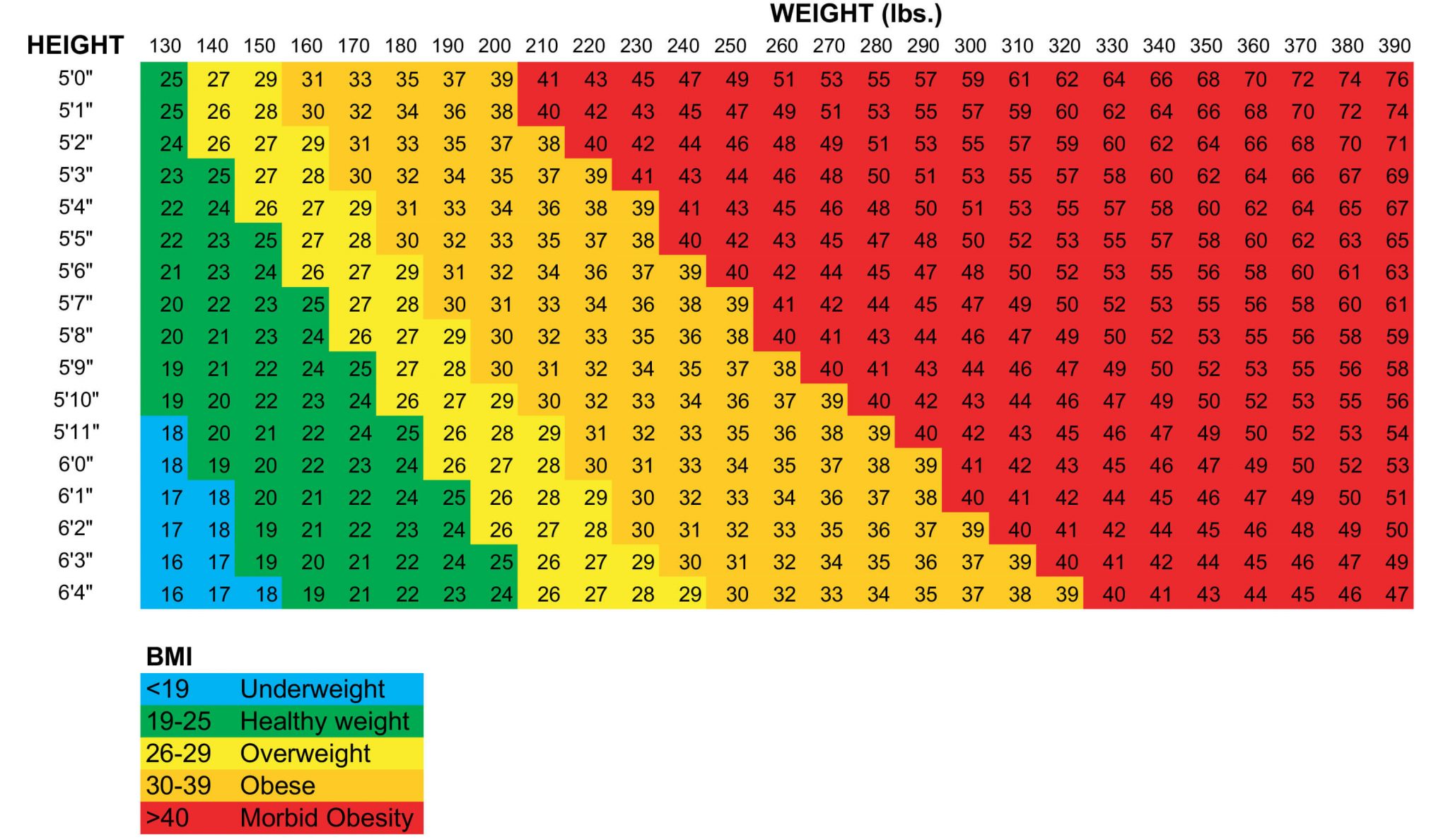
BMI calculators estimate body mass index using height and weight. This number shows if weight is in a healthy range. Charts help compare BMI to standard categories like overweight or morbid obesity. Many online tools allow easy and quick BMI checks. Regular BMI tracking shows progress or need for adjustments.
Body Fat Percentage Measurements
Body fat percentage reveals how much fat you carry compared to lean mass. This measure gives a better view than weight alone. Tools include skinfold calipers and bioelectrical impedance devices. These methods track fat loss and muscle gain over time. Monitoring body fat helps ensure healthy weight reduction.
Professional Health Assessments
Doctors and dietitians provide detailed health evaluations. They use medical tests and physical exams to assess risks. Professionals can measure waist circumference and metabolic health. They offer personalized advice based on comprehensive data. Regular check-ups help adjust treatment and maintain safe progress.
Addressing Stigma And Mental Health
Addressing stigma and mental health is vital when discussing morbid obesity. People with morbid obesity often face harsh judgment and discrimination. This stigma can deeply affect their emotional well-being and self-esteem. Mental health challenges may arise or worsen due to social exclusion and negative stereotypes.
Understanding these impacts and offering support helps improve quality of life. Awareness reduces bias and fosters empathy. Encouraging positive mental health care is a key step toward healing and acceptance.
Psychological Impact Of Morbid Obesity
Morbid obesity can cause feelings of shame and low self-worth. Anxiety and depression are common among affected individuals. Constant social pressure increases stress and isolation. Negative self-image may develop from repeated stigmatization. These mental health issues often create barriers to seeking help and treatment.
Support Networks And Counseling
Support groups provide a safe space for sharing experiences. Talking to others with similar struggles reduces loneliness. Professional counseling helps manage emotional challenges effectively. Therapists can teach coping skills to handle stigma. Family and friends also play a crucial role in encouragement and understanding.
Encouraging Positive Body Image
Building a positive body image improves mental health and self-confidence. Focus on strengths beyond physical appearance. Celebrate small achievements and progress in health goals. Promote kindness and respect toward oneself and others. Positive messages help combat harmful stereotypes and foster acceptance.
Credit: www.crh.org
Conclusion
Morbid obesity is defined by a very high BMI, usually over 40. This condition increases risks for heart disease, diabetes, and other health issues. BMI helps identify when weight becomes dangerous, but it is not the only factor. Regular check-ups and healthy lifestyle choices are important.
Understanding morbid obesity can motivate better health decisions. Small changes in diet and activity can make a big difference. Stay informed and seek support if needed. Your health matters most.