
Are you wondering if you might be underweight at 5 feet 3 inches? Knowing what counts as underweight for your height is more than just a number on the scale.
It can impact your energy, mood, and overall health in ways you might not expect. But how do you figure out if your weight is too low, and what should you do if it is? This guide will help you understand the key signs of being underweight, why it matters, and simple steps you can take to find a healthy balance.
Keep reading to discover what underweight really means for a 5’3″ female and how to take charge of your well-being today.
Credit: www.quora.com
Bmi And Height Relationship
BMI and height have a direct connection when assessing weight health. BMI, or Body Mass Index, measures weight relative to height. This helps identify if a person is underweight, normal weight, overweight, or obese. For a female who is 5 feet 3 inches tall, BMI plays a key role in understanding what weight range is healthy or concerning. Knowing this relationship helps track health risks linked to body weight.
Calculating Bmi For 5’3″ Female
To calculate BMI, divide weight in kilograms by height in meters squared. For a 5’3″ female, the height is about 1.60 meters. For example, if she weighs 50 kilograms, her BMI equals 50 ÷ (1.60 × 1.60) = 19.5. This number shows where her weight falls on the BMI scale. Using this method, anyone can find out their BMI quickly and easily.
Bmi Categories Explained
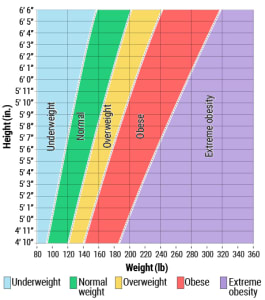
BMI numbers fall into specific groups. Underweight is below 18.5, which may signal health risks. A normal or healthy weight is between 18.5 and 24.9. Overweight starts at 25 and goes to 29.9. Obesity is 30 or more. These categories help doctors and individuals understand weight status. They also guide healthy weight goals and actions.

Credit: www.health.harvard.edu
Weight Ranges For 5’3″ Females
Understanding weight ranges for a 5’3″ female helps identify health status and risks. Weight varies due to body type, muscle, and bone structure. Using standard measures like Body Mass Index (BMI) gives a general idea. BMI compares weight to height and categorizes weight status. This guide explains underweight, healthy, and overweight ranges for women of this height.
Underweight Thresholds
A 5’3″ female is underweight if her BMI is below 18.5. This usually means weighing less than 107 pounds. Being underweight may cause weakness, fatigue, or health issues. It is important to track nutrition and seek medical advice if weight is too low. Underweight does not always mean unhealthy but often needs attention.
Healthy Weight Range
The healthy weight range for a 5’3″ female is between 107 and 140 pounds. This range corresponds to a BMI of 18.5 to 24.9. Staying within this range supports good energy and body function. It reduces risks for diseases linked to too little or too much body fat. Maintaining a balanced diet and regular exercise helps keep weight in this range.
Overweight And Obesity Benchmarks
Overweight starts at a BMI of 25, which is about 141 pounds for a 5’3″ female. Obesity begins at a BMI of 30, or roughly 169 pounds and above. Excess weight increases risks for heart disease, diabetes, and joint problems. Monitoring weight and lifestyle choices can help manage these risks. Professional guidance is useful for safe weight loss or maintenance.
Factors Affecting Ideal Weight
Understanding the ideal weight for a 5’3″ female involves several factors beyond simple height and weight charts. These factors affect body health and how weight is distributed. Each person’s ideal weight can differ because of unique body traits and lifestyle. Knowing what influences weight helps in setting realistic goals.
Body Composition And Muscle Mass
Muscle weighs more than fat, so two people of the same height and weight can look different. A person with more muscle may weigh more but appear leaner. Body composition includes fat, muscle, bone, and water. This balance affects what is a healthy weight for each person.
Age And Metabolism
Metabolism slows down as age increases. This means the body burns fewer calories at rest. Older women may find it harder to maintain or lose weight. Age changes how the body stores fat and builds muscle. These shifts influence the ideal weight range over time.
Genetics And Health Conditions
Genes play a role in how the body gains and loses weight. Some people naturally have a faster metabolism or store fat differently. Certain health conditions can affect weight too, like thyroid problems or hormonal imbalances. These factors must be considered when defining a healthy weight.
Health Risks Of Being Underweight
Being underweight poses several health risks for a 5’3″ female. These risks affect the body’s ability to function properly. Lack of adequate body weight can lead to serious health issues. Understanding these risks helps in taking steps to improve health.
Nutritional Deficiencies
Underweight individuals often lack essential vitamins and minerals. Poor nutrition can cause fatigue and weakness. Without enough nutrients, the body cannot repair or grow tissues well. This shortage may lead to anemia and other health problems. Proper diet is vital to prevent these deficiencies.
Weakened Immune System
Low body weight can reduce immune system strength. This makes it harder to fight infections and illnesses. Frequent sickness is common among underweight people. The body lacks energy to produce enough immune cells. Maintaining a healthy weight supports better immunity and health.
Bone Density Concerns
Being underweight increases the risk of weak bones. Low bone density can cause osteoporosis and fractures. Women underweight for their height often have lower calcium levels. This affects bone strength and increases injury risk. Strong bones need good nutrition and a healthy weight.
Signs You May Be Underweight
Recognizing the signs of being underweight is important for overall health. For a 5’3″ female, being underweight can affect the body in several ways. These signs help identify if weight is too low and if action is needed.
Physical Symptoms
Underweight individuals often feel cold easily. Bones may become more visible. Hair can become thin and dry. Skin may lose its natural glow. Nails might break or become brittle. Muscle weakness and loss of strength are common.
Impact On Energy Levels
Low weight can cause constant tiredness. It becomes hard to focus or stay alert. Daily tasks may feel more difficult. The body lacks enough fuel to work well. Energy dips can affect mood and motivation.
Changes In Menstrual Cycle
Periods may become irregular or stop completely. Hormone levels change with low body weight. This can affect fertility and overall health. Missing menstrual cycles is a clear warning sign. Tracking cycles helps notice these changes early.
Credit: www.nyp.org
Steps To Achieve A Healthy Weight
Achieving a healthy weight is essential for overall well-being, especially for a female who is 5’3″ and underweight. Taking deliberate steps helps reach a balanced weight safely. This process involves proper nutrition, safe weight gain methods, and building muscle strength. Each step supports a healthier body and mind.
Balanced Nutrition Tips
Focus on eating nutrient-rich foods every day. Include whole grains, lean proteins, healthy fats, and plenty of fruits and vegetables. Eat small, frequent meals to increase calorie intake without discomfort. Choose foods high in vitamins and minerals to support body functions. Avoid empty calories from sugary snacks or sodas. Drink water regularly but avoid filling up on liquids before meals.
Safe Weight Gain Strategies
Increase calorie intake gradually to avoid digestive issues. Add healthy snacks like nuts, seeds, and cheese between meals. Use smoothies or shakes with protein and healthy fats. Track your progress to adjust calories as needed. Avoid relying on junk food for weight gain. Aim to gain 1 to 2 pounds per week for steady progress.
Importance Of Strength Training
Strength training builds muscle, which adds healthy weight. Exercises like lifting weights or bodyweight workouts improve muscle tone. Strong muscles boost metabolism and support bone health. Start with light weights and increase gradually. Combine strength training with proper nutrition for best results. Rest days are important for muscle recovery and growth.
When To Seek Professional Advice
Determining if a 5’3″ female is underweight involves more than just numbers. Professional advice helps understand personal health better. Experts assess overall wellbeing, not only weight or BMI. Seeking help guides safe and effective health decisions. It ensures concerns are addressed early, preventing complications.
Consulting Doctors And Dietitians
Doctors and dietitians provide tailored guidance. They review medical history and lifestyle habits. These professionals identify risks linked to being underweight. They suggest suitable plans for healthy weight gain. Regular checkups help track progress and adjust plans.
Monitoring Health Markers
Health markers reveal important body changes. Tracking energy levels, immune function, and menstrual health matters. Blood tests can check nutrient deficiencies or anemia. These indicators highlight hidden issues from low body weight. Monitoring helps prevent serious health problems.
Personalized Weight Assessments
Weight needs differ for each person. Factors like muscle mass and bone density affect ideal weight. Professionals use tools beyond BMI for accurate assessment. They consider age, activity, and overall health status. Personalized plans support sustainable, healthy weight goals.
Beyond Bmi: Holistic Health Measures
Body Mass Index (BMI) offers a simple way to classify weight levels. Yet, it does not capture the full picture of health. A 5’3” female’s well-being depends on more than just BMI numbers. Holistic health measures consider body composition, fitness, and mental wellness. These factors give a clearer view of true health status beyond just weight.
Body Fat Percentage
Body fat percentage reveals the amount of fat compared to total body weight. This measure helps distinguish between fat and muscle mass. A healthy body fat range varies by age and activity level. For a 5’3” female, a balanced fat percentage supports hormone function and energy. Low body fat may indicate undernutrition, while high fat can raise health risks.
Fitness And Well-being
Physical fitness shows strength, endurance, and flexibility. Regular exercise improves heart health and muscle tone. It also helps maintain a healthy weight and boosts energy. Well-being includes daily activity and the ability to perform tasks. A fit person often feels better and has fewer health issues, regardless of their BMI.
Mental Health Considerations
Mental health affects physical health in many ways. Stress, anxiety, or depression can influence eating habits and weight. A positive mindset supports better self-care and motivation. Emotional balance helps maintain a healthy lifestyle. Recognizing mental health as part of overall health is vital for true wellness.
Conclusion
Being underweight for a 5’3” female can affect health and energy. A BMI below 18. 5 usually indicates underweight status. Still, factors like muscle and bone weight vary by person. Tracking how you feel and consulting a healthcare provider helps.
They can offer advice tailored to your body and lifestyle. Focus on balanced nutrition and gentle exercise to support your well-being. Remember, healthy weight is about feeling strong, not just numbers on a scale. Take steps that suit you and keep your health a priority.